Where to travel in February, the month the southern hemisphere is at its best
Where to travel in February, with the Gulf islands at their sunniest, New Zealand's best month, the monarch butterflies and one destination to avoid.
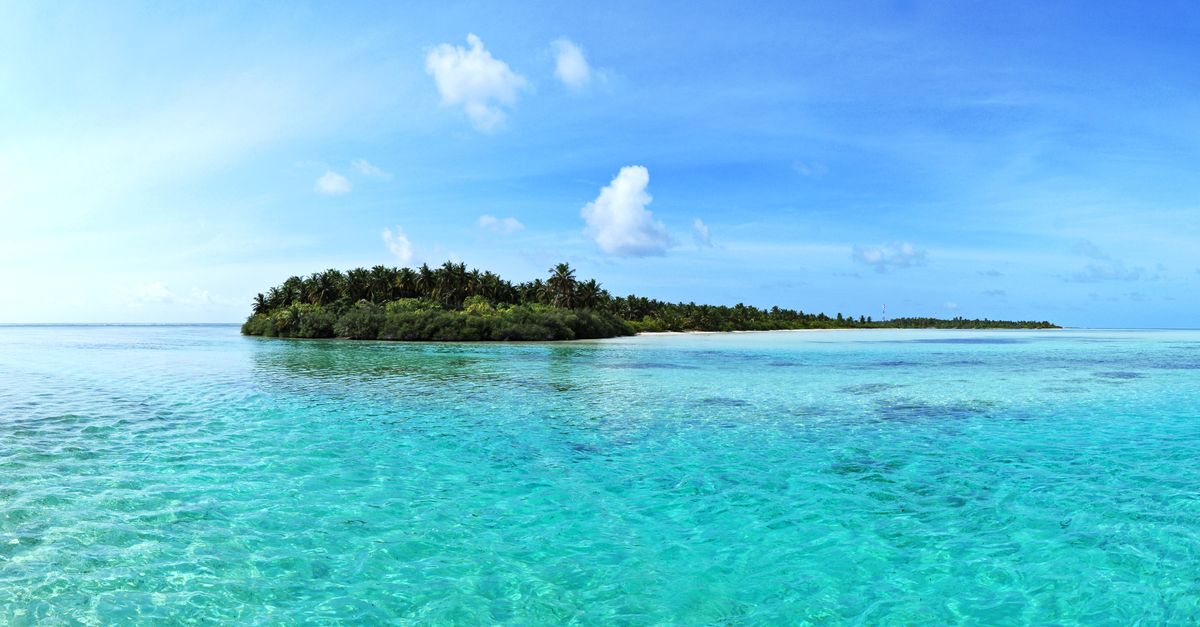
Photo · Asad Photo Maldives · Pexels
February is the month the southern hemisphere is at its best and northern Europe is at its cheapest, and those two facts between them cover most of what you should do with it.
Eight destinations that are genuinely at their best, one wildcard, and three places the month specifically rules out.
1. New Zealand, and it is the best month
February is New Zealand's best month and it is not close. The weather is at its most settled, the days are still long, and the New Zealand summer school holidays, which run from just before Christmas into late January, have finished.
That last part is what overseas visitors underestimate. January is beautiful and it is when the entire country is also travelling, which moves accommodation prices and availability across both islands.
February keeps the weather and loses the crowd.
The catch: the International Visitor Levy is NZ$100 per person with no age exemption, so a family of four pays NZ$400 before booking a bed. The best time to visit New Zealand has the month table and the South Island road trip has the route.
2. Thailand's Gulf islands, at their sunniest
February and March are the sunniest months of the year on Koh Samui, Koh Phangan and Koh Tao.
This is the fact that most Thailand advice misses, because the two Thai coasts have opposite wet seasons. The Gulf sits in a rain shadow from the south-west monsoon and has its own wet season around October to December. February is when it comes good.
The Andaman side is also very good in February, so this is one of the two months where both coasts work.
The catch is the north: see the avoid list. The best time to visit Thailand has the three-region table.
3. Mexico, for the butterflies and the dry season
February is the peak of Mexico's dry season in the centre and the south, and the peak of the monarch butterfly season.
Five sanctuaries are open, three in Michoacán and two in the State of Mexico, and January and February are when the colonies are densest. Go on a warm, still afternoon; cold or windy and the butterflies stay clustered.
Baja is in whale season, roughly December to April.
The caveat that changed this year: the Caribbean coast's historically safe December-to-March window can no longer be assumed, after sargassum arrived on Quintana Roo beaches in January and March 2026 and the year was forecast as likely the worst on record. The best time to visit Mexico has the detail, and the Pacific coast is unaffected.
4. Andalusia, for the best value in Europe
This is the best-value trip of the month and almost nobody writes about it.
Seville, Granada and Córdoba in February are mild, almost empty by their own standards, and at the lowest room rates of the year. The archaeological sites and the palaces have no queues.
Two things compound it. Andalusia charges no accommodation tax at all, unlike Catalonia, where a four-star now carries about €8.40 per person per night. And the Alhambra, which sells out further ahead than anything else in Spain, is actually bookable in February in a way it is not in April.
It is not beach weather. It is city weather, and very good city weather. The best time to visit Spain has the rest, and where to stay in Seville has the neighbourhoods.
5. Japan, for skiing and for empty temples
February is Japan's ski month, and Hokkaido's powder is a January and February phenomenon.
The value insight: Furano and Rusutsu group ski lessons run a fraction of Niseko's private rates for the same snow and the same English instruction. Japan ski trips with kids has the comparison.
And the cities are at their emptiest. Kyoto and Tokyo in February are cold, clear and free of the blossom and autumn crowds. The Sapporo Snow Festival is in early February.
6. Dubai and the Gulf
February sits in the middle of the good half of the Emirati year. November to March is the window, and it is when the beaches, the desert and the outdoor evenings all work.
It is peak season and priced for it. The compensation is that from June to September Dubai is an indoor holiday, so this is the version worth paying for. Dubai with kids has the season table and the Burj Khalifa prime-hour premium worth avoiding.
7. Vietnam's centre and south
February to May are the best months in central Vietnam, around Hoi An and Da Nang: warm, dry, a swimmable sea.
The south is warm and dry. The north is cool and often grey, with the drizzle Hanoi calls mưa phùn, which is a genuine surprise to people who filed Vietnam under tropical. The best time to visit Vietnam has the three-climate split.
8. Iceland, for the aurora and the ice caves
February has the deepest aurora darkness and the lowest prices outside the holidays, and ice caves are at their most accessible because the glacier is frozen enough to be safe.
The cost is daylight: four to six hours of it. Plan one or two things a day, not four.
The years matter here. Solar activity is forecast to stay elevated through 2026 and into 2027, declining afterwards toward the cycle minimum. When to see the northern lights explains why cloud, not the Kp index, is the variable that decides your night.
The wildcard: Croatia and Zagreb
Nobody suggests Croatia in February and it is the cheapest month of its year.
Plitvice costs about €10 in winter against about €40 from June to September, and it is spectacular with meltwater running and almost nobody on the boardwalks. Zagreb's Advent runs into early January and the city is a genuinely good winter break.
Be clear about what you are buying: the coastal catamarans do not run, the islands are effectively shut, and this is a cities-and-interior trip. The best time to visit Croatia has the ferry season that decides it.
Three places to avoid in February
Northern Thailand. The Chiang Mai burning season starts on 1 February. In 2026 the province banned all open burning from 1 February to 31 May and still logged over 2,090 fire hotspots by late March. February is no longer safe by default, and November to mid-January is the clear window. Where to stay in Chiang Mai has the numbers.
Fiji and the South Pacific. The cyclone season peaks January to March. The best time to visit Fiji has the detail, including that this collides with the southern school holidays.
Tropical northern Australia. The wet season, with marine stingers in the water from November to April and cyclone risk from December to March. The best time to visit Australia has the regional table.
The school holiday note
School holiday dates differ by country and by state and the education authorities publish them, which is worth checking against your dates.
February is one of the quieter months in the northern hemisphere school calendar, with a short half-term break in the middle of it in Britain and parts of Europe, and the Chinese New Year period moving each year and filling much of East and Southeast Asia when it lands.
In the southern hemisphere the school year has just started, which is exactly why New Zealand and Australia are so much easier in February than in January.
Before you book
Where to travel in January and where to travel in March are the months either side, and where to travel in October and where to travel in December cover the other end of the year. The best places to travel in 2027 is the year ahead, and underrated European cities has where to go when the obvious answers are full.
There is more in the when to go hub, and the month pages carry the destination shortlists. The UN tourism body publishes the seasonal arrivals data that sits behind which months are actually busy where.
Seasonal patterns checked September 2026. Lunar dates including Chinese New Year move each year and the Mexican sargassum season broke its own pattern in 2026, so check the specific dates for your year rather than trusting any guide, this one included. Here is how we research and re-check guides.