The best time to visit Mexico, and the seaweed that rewrote the calendar
The best time to visit Mexico by region, with the sargassum season forecast as the worst on record, the monarch window and the hurricane months.
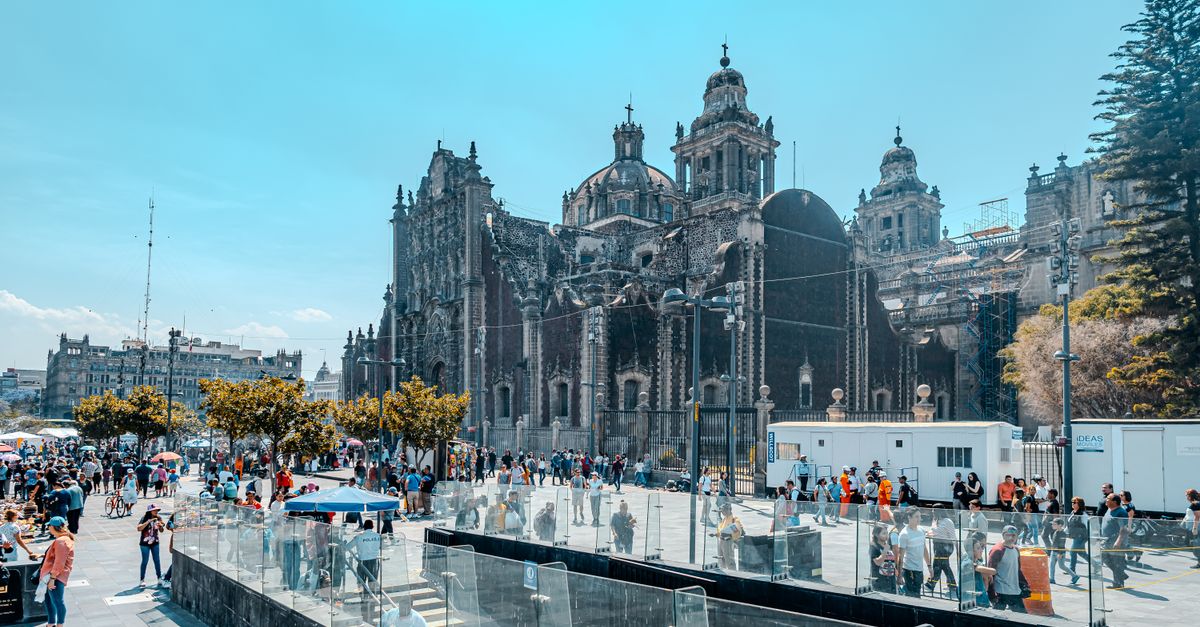
Photo · Viridiana Rivera · Pexels
Mexico's answer used to be simple: November to March. It still mostly is, and one part of it has genuinely changed, and almost nothing published before this year reflects it.
The Caribbean coast now has a seaweed problem that no longer keeps to its season.
Mexican peso. Convert any figure on this page into your own currency at today's published rate.
Open the currency converter →Sargassum, and why the old calendar has stopped working
Sargassum is a floating brown seaweed that arrives on Caribbean-facing beaches in mats, decomposes on the sand and smells. It is a genuine holiday-ruiner when it is bad, and it is not a Mexican problem so much as an Atlantic one.
The historical pattern: heaviest May to October, worst in June, July and August, with December to March the safe window.
What happened in 2026: the year was forecast as likely the worst on record by the University of South Florida's oceanography lab, and early arrivals were confirmed on Quintana Roo beaches in January and March, months ahead of the historical average, at Playa del Carmen and Tulum.
So the December-to-March safety window can no longer be assumed.
What still holds:
- The Pacific coast is unaffected. Puerto Escondido, Huatulco, Zihuatanejo,
Puerto Vallarta and Baja have no sargassum, because it is an Atlantic phenomenon.
- Aspect matters more than the calendar on the Caribbean side.
Tulum and Playa del Carmen face directly east and take the worst of it. Isla Mujeres, the western shore of Cozumel and the north-facing beaches around Cancún are more sheltered.
- Live trackers exist and are the only useful source, because the seaweed
moves week to week and beach to beach. Mexico's national commission publishes marine and coastal monitoring, and several independent trackers publish daily beach photographs, which is what we would actually check.
The honest planning advice: if a specific Caribbean beach is the whole point of the trip, book flexible accommodation and check a tracker in the fortnight before you fly, or go to the Pacific instead.
The three Mexicos
The central highlands (Mexico City, Oaxaca, San Miguel, Guanajuato) sit at altitude and have a dry season from about November to April and a green season from May to October, when rain usually means a heavy afternoon downpour rather than a lost day. It is never really hot at 2,000 metres, and winter nights are cold.
The Caribbean coast (Cancún, Tulum, Mérida, Cozumel) is hot and humid year round, with a wet and hurricane season June to November and the sargassum question above.
The Pacific coast (Oaxaca's coast, Puerto Vallarta, Baja) is dry in winter and wet in summer, with hurricane risk June to November, and whale season in Baja from about December to April.
Month by month
November. One of the best months. Dry, warm, the hurricane season closing, the monarchs arriving, and Day of the Dead on 1 and 2 November, which is the single most extraordinary thing in the Mexican calendar and which fills Oaxaca and Michoacán completely.
December. Dry and clear inland, peak season on the coasts, and expensive over Christmas and New Year.
January and February. The peak of the dry season and the peak of the monarch season. The best months in the centre and the south. Cold mornings at altitude.
March. Still dry, warming up, and Semana Santa falls in late March or April, when Mexican families travel and the coasts fill.
April and May. The hottest months in the Yucatán and on the coasts, and genuinely severe in Mérida and the interior of the peninsula. The centre is still pleasant.
June to August. The green season inland: afternoon rain, spectacular landscapes, and the lowest prices of the year. Hot and wet on the coasts, and the start of the sargassum peak.
September and October. The wettest and the peak of hurricane risk. Cheapest travel of the year. September is Independence month and the centre is full of it.
The monarchs, which have a hard window
Five sanctuaries are open to the public, three in Michoacán and two in the State of Mexico.
The season runs about November to the end of March, with peak viewing in January and February, when the colonies are densest and the butterflies most active on warm afternoons.
Two things people are not ready for: the reserve is at high altitude and the mornings are genuinely cold, and reaching the colonies involves a substantial uphill walk, often with the option of a horse.
Go on a warm, still, sunny afternoon if you can choose. Cold or windy and the butterflies stay clustered rather than flying. Mexico's tourism board lists the sanctuaries that are open to the public, and which of the five are open varies by season.
Dates worth planning around
Day of the Dead, 1 and 2 November. Not a tourist event that happens to be photogenic; a genuine national observance. Oaxaca and Michoacán are the places it is most visible and they book out months ahead.
Semana Santa, late March or April depending on the year. Mexican domestic travel peaks and the coasts fill.
Independence Day, 16 September, with the Grito on the night of the 15th. Mexico City's Zócalo is the centre of it.
Guelaguetza in Oaxaca, in July, which is the reason to break the avoid-the-green-season rule.
Visa-free · 180 days, on all five passports we check.
Short tourist stays only. Checked 21 Aug 2026; rules change without notice and the government page is the source of truth.
Check your own passport →Checked 21 Aug 2026.
Everything we check for Mexico →Picking a month for a specific trip
Mexico City and the centre: November to April. Or the green season for the prices, accepting afternoon rain.
The Yucatán and Caribbean beaches: December to March historically, with the sargassum caveat above. Avoid April and May, which are severe.
The Pacific coast: November to April, and December to April for whales in Baja.
The monarchs: January and February.
Day of the Dead: book by about June.
On a budget: June to September inland, where the rain is an afternoon inconvenience and the prices are the lowest of the year.
What to skip
Assuming December to March guarantees a clear Caribbean beach. It no longer does.
Tulum or Playa del Carmen in the sargassum peak, if a clean beach is the point. They face directly into it.
The Yucatán interior in April or May. It is the hottest place in the country at the hottest time.
Booking Oaxaca for Day of the Dead in September. Too late.
Writing off the green season. Inland it is the most beautiful and the cheapest time of year.
Treating hurricane season as unvisitable. Treat it as a reason for flexible bookings and real insurance.
Before you book
Mexico in two weeks is the route these months apply to, including what the Maya Train has and has not fixed, and three days in Mexico City has the capital with the tickets that sell out. Is Mexico City safe? answers the other question this trip raises, properly, by neighbourhood and by hour. Peru in 10 days is Camila's other Latin American route, and the best places to travel in 2027 has where Mexico sits next year.
The Mexico City guide and the Mexico country guide carry the practicalities, and there is more in the when to go hub.
Seasonal patterns and the sargassum forecast checked September 2026. The 2026 sargassum season broke its own historical pattern, so a live beach tracker in the fortnight before you fly is worth far more than any seasonal average, this guide's included. Here is how we research and re-check guides.