Mexico in two weeks, now that the train actually runs
Mexico City, Oaxaca and the Yucatan in 14 days. What the Tren Maya has changed, what it has not, and the overnight that gets you Chichen Itza early.
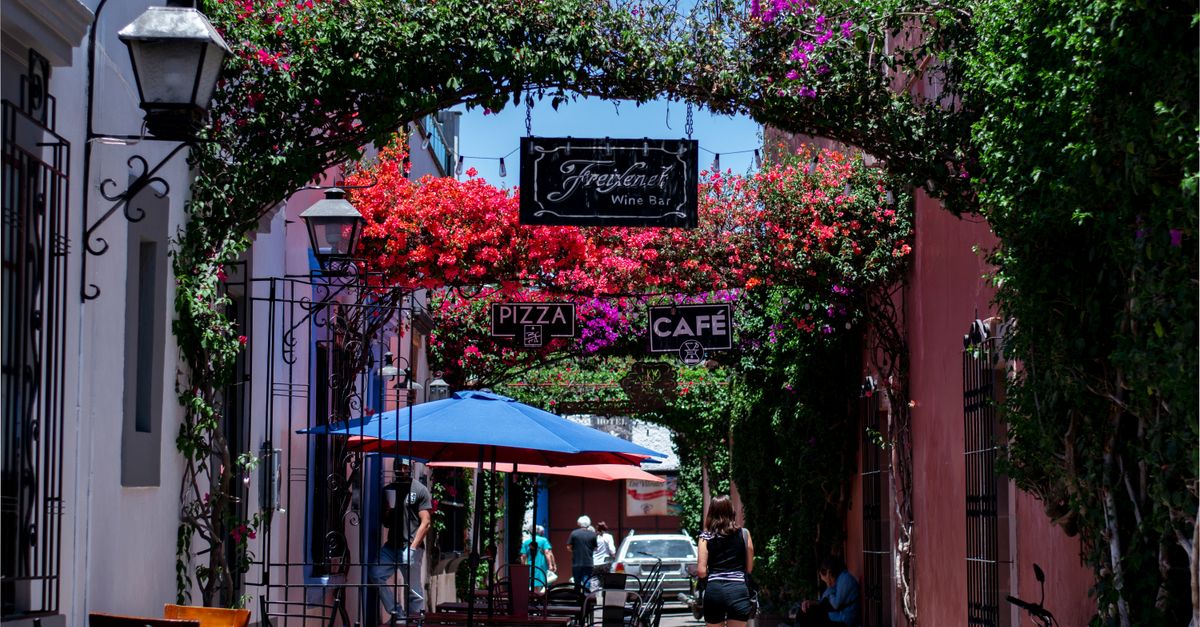
Photo · Miguel González · Pexels
Two weeks in Mexico is three regions, not five. Mexico City five nights, Oaxaca four, the Yucatán five, with two internal flights and no long-distance buses.
What has changed since most published itineraries were written is the Tren Maya, which now runs across the Yucatán and has quietly rearranged the best way to see the peninsula. It has also not changed one thing that matters more than the rest, which is how you get to Chichén Itzá before the crowds.
Mexican peso. Convert any figure on this page into your own currency at today's published rate.
Open the currency converter →Days 1 to 5: Mexico City
Five nights, and it is the part people under-book.
Day 1: arrive, and walk Roma Norte and Condesa, which are the two leafy early-twentieth-century districts where most visitors stay and most of the good food is.
Day 2: the Centro Histórico. The Templo Mayor, the Zócalo, the Diego Rivera murals in the Palacio Nacional, and the Palacio de Bellas Artes. That is a full day on hard ground.
Day 3: Teotihuacán, an hour out, at opening. The Pyramid of the Sun and the Avenue of the Dead are best before ten and unpleasant after noon.
Day 4: Coyoacán and San Ángel in the south. The Frida Kahlo Museum sells timed tickets that go weeks ahead, so book it the day you book the flights, and the Anahuacalli and the Coyoacán market fill the rest.
Day 5: the Museo Nacional de Antropología, which is the best museum in Latin America and needs three hours minimum, then Chapultepec around it.
On the altitude: Mexico City sits at about 2,240 metres. Expect the first day to feel heavier than it should, drink more water than you want to, and do not schedule Teotihuacán for day one.
Is Mexico City safe? answers the question this trip raises most often, properly, by district and by hour.
Days 6 to 9: Oaxaca
An hour by air, or six and a half hours on the new highway.
Oaxaca is the reason a lot of people come back to Mexico. It is the country's food capital by common consent, its craft traditions are the strongest, and the city itself is small enough to walk.
Day 6: the Zócalo, Santo Domingo, and the 20 de Noviembre market for lunch, where the smoke-filled meat hall is the point rather than a hazard.
Day 7: Monte Albán, the Zapotec city on the ridge above town, in the morning.
Day 8: the craft villages, Teotitlán del Valle for weaving, San Bartolo Coyotepec for black pottery, Santa María el Tule for the widest tree in the world, plus a mezcal palenque if you want the production explained properly by someone who makes it.
Day 9: Hierve el Agua, the petrified waterfalls, if it is open. Access has been closed by community disputes more than once in recent years and it is worth checking locally the day before rather than booking ahead.
What we cannot show you: Oaxaca is not in our catalogue, so there is no live room shelf for it on this page. Mexico City's shelves above are real rooms and real tours for your dates; for Oaxaca we have given you the days rather than a shelf pointing at a different city.
Days 10 to 14: the Yucatán, and the train
Fly to Mérida, about two hours.
Day 10: Mérida. Colonial, calm, and the best base in the peninsula. The Paseo de Montejo in the evening and the Sunday street closure if your dates land on it.
Day 11: Uxmal, an hour and a half south, which is the equal of Chichén Itzá architecturally and has a fraction of the visitors. Go in the morning.
Day 12: the overnight that makes the trip. Take the train or drive to Valladolid and stay the night. Valladolid is a small colonial town with cenotes inside the town limits, and it is 45 minutes from Chichén Itzá.
Day 13: Chichén Itzá at opening, from Valladolid, then on to the coast.
Day 14: a cenote morning, or Tulum's ruins on the cliff, then out of Cancún.
What the Tren Maya has and has not fixed
| Status, checked Sep 2026 | |
|---|---|
| Mérida to Tulum | Running since 2024 |
| Cancún to Mérida via Valladolid, Chichén Itzá, Izamal | Up to six trains a day |
| Full loop | 20 stations, 14 intermediate stops |
| Southern section: Bacalar, Chetumal, Calakmul, Palenque | Still under construction, opening in stages |
The one thing it has not fixed: there are no morning trains from the Riviera Maya to Chichén Itzá. So the standard day trip from Cancún or Tulum still arrives mid-morning, in the heat, with every coach in the peninsula. The fix is the Valladolid overnight, which is why day 12 exists on this itinerary.
And a caution: the southern section is still being built and opening in stages, so an itinerary that routes through Bacalar or Palenque by rail may be routing through a line that is not open on your dates. Check before you commit. The operator publishes the current network and timetables.
Visa-free · 180 days, on all five passports we check.
Short tourist stays only. Checked 21 Aug 2026; rules change without notice and the government page is the source of truth.
Check your own passport →Checked 21 Aug 2026.
Everything we check for Mexico →The alternative shape, if ruins are not the point
Swap the Yucatán for the Pacific: fly Oaxaca to Puerto Escondido or Huatulco in about 45 minutes and spend the last five days on the coast. It is a shorter flight, a lower budget and a completely different trip, and it removes the archaeology entirely.
What does not work is doing both. Mexico's two coasts are on opposite sides of a very wide country.
What to skip
A fourth region. Chiapas, Baja and the Copper Canyon are all excellent and all a separate trip. Adding one costs you four travel days out of fourteen.
The Cancún hotel zone. It is a strip of all-inclusives on a sandbar and it is the least Mexican place in Mexico. Use the airport, not the beach.
Chichén Itzá as a day trip from the coast. The entire point of day 12.
Driving between Mexico City and Oaxaca to save the airfare. Six and a half hours each way against an hour in the air, and the road tolls are not trivial.
Booking Frida Kahlo tickets on the day. They sell out weeks ahead.
Tulum as a base. It has become expensive, the beach road is a traffic jam, and the ruins are a ninety-minute visit. Come for the morning, sleep elsewhere.
Before you book
Is Mexico City safe? is the guide most people want next, and it answers by neighbourhood rather than by headline. Peru in 10 days is Camila's other Latin American route and has the same altitude problem handled differently, and the best places to travel in 2027 has where Mexico sits in next year's picture. The safest countries for solo female travellers covers the question this trip raises for people going alone.
The Mexico City guide and the Mexico country guide carry the practicalities, and there is more in the itineraries hub. When you are ready, Mexico City rooms are here and the bookable half is here.
Train status and opening hours checked September 2026. The Maya Train is still being built out in stages and its timetable has changed repeatedly since opening, so Mexico's national tourism site and the operator's own page are better sources for your dates than any guide, this one included. Here is how we research and re-check guides.