Three days in Mexico City, booking the one ticket that sells out
Three days in Mexico City at 2,240 metres, with the Frida Kahlo ticket that needs a week's notice and the Teotihuacan fee that changed in January.
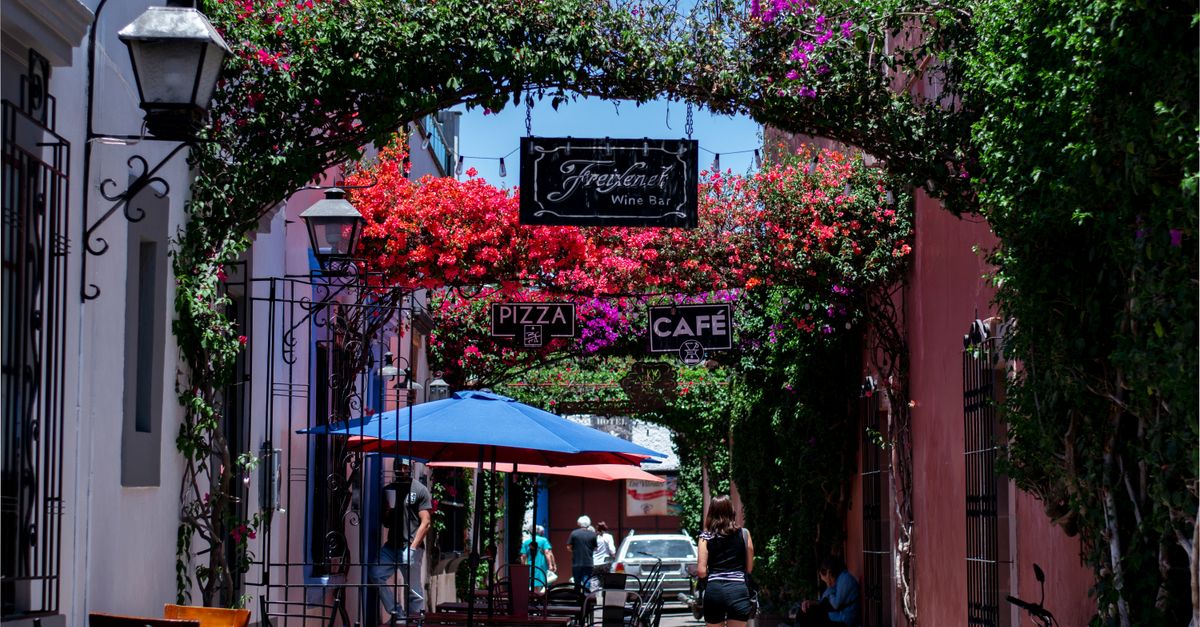
Photo · Jimmy Elizarraras · Pexels
Three days in Mexico City is the historic centre, then Coyoacán, then the pyramids. In that order, because the third day is the one with a climb in it and you will want the altitude behind you before you do it.
Book one thing before anything else: the Frida Kahlo Museum. It sells out four to five days ahead and it is the only ticket on this itinerary that will refuse you.
Mexican peso. Convert any figure on this page into your own currency at today's published rate.
Open the currency converter →The two tickets, and what they actually cost
Museo Frida Kahlo, the Casa Azul:
- MX$320 general admission, plus a MX$16 service charge on the official
site, so MX$336 in practice.
- The same ticket covers the Museo Anahuacalli, Diego Rivera's black volcanic
stone building further south, which almost nobody realises and which is worth the extra journey.
- Children under six free.
- Book four to five days ahead minimum, a week to be comfortable, on
the museum's own ticketing site.
Teotihuacán, whose pricing changed at the start of this year:
| From 1 January 2026 | |
|---|---|
| International visitors | MX$210 |
| Mexican residents with valid ID | MX$105 |
| Under-13s, over-60s with INAPAM, visitors with disabilities | Free |
A note on the Anahuacalli standalone price: sources disagree, quoting anywhere from MX$80 to MX$130 for entry on its own, and entry is free for everyone on Sundays. We are not going to average three figures and print the result. If you hold the Frida ticket it is included, which makes the standalone price academic, and if you do not, expect a small charge in that band.
Day 1: the Centro Histórico
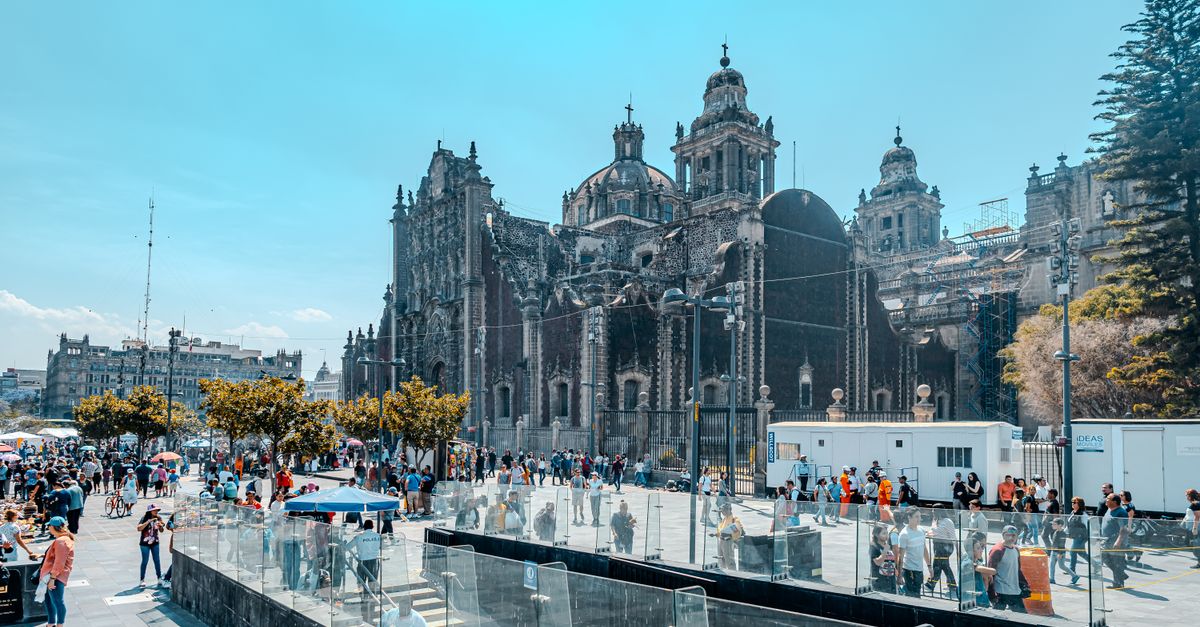
Morning: the Zócalo, which is one of the largest city squares in the world and is built on the ruins of the Aztec capital rather than beside them.
Then the Templo Mayor, the excavated Mexica great temple, which was found in 1978 by electricity workers laying cable and which is a few metres from the cathedral built with its stones.
Late morning: the Palacio Nacional for the Diego Rivera murals down the staircase, which are a complete history of Mexico painted as an argument.
Afternoon: the Palacio de Bellas Artes. The building is worth it from outside; inside there are more murals, including Rivera's Man, Controller of the Universe, repainted here after the Rockefellers destroyed the New York original.
Late afternoon: the Torre Latinoamericana observation deck for the scale of the place, or the Museo Nacional de Arte across the square.
Evening: Roma Norte or Condesa, which is where you are probably staying and where the eating is.
Day 2: Coyoacán, Chapultepec and the museum
Morning: the Museo Nacional de Antropología in Chapultepec park. This is the best museum in Latin America and it is not close. Give it three hours minimum, and if you are short, go straight to the Mexica hall for the sun stone and the Maya hall for Palenque.
Afternoon: Coyoacán. The old colonial village that the city grew around, with a proper plaza, a market, and the Casa Azul on the ticket you booked last week.
Then Anahuacalli, twenty minutes further south and included on the same ticket: Rivera's own museum for his pre-Columbian collection, built out of black volcanic rock, and almost empty compared to the Casa Azul.
Evening: San Ángel next door on a Saturday for the Bazar Sábado, or back north for dinner.
Day 3: Teotihuacán, and the way back
Early: Teotihuacán, an hour north. Go at opening. The Avenue of the Dead is two kilometres of unshaded stone between the Pyramid of the Sun and the Pyramid of the Moon, and by midday it is punishing.
Get there by bus from Terminal Autobuses del Norte, which is cheap and frequent, or by hired car and driver, which is not much more once split.
Note that climbing access to the pyramids has been restricted at various points to protect the structures, and what is open changes. Do not build the day around getting to the top of the Sun.
Afternoon, on the way back: the Basilica of Guadalupe, which is on the same road and is the most visited Catholic shrine in the Americas.
Or, if you would rather skip the ruins entirely: Xochimilco, in the south, where you hire a trajinera on the surviving Aztec canals. It is a party on a boat and it is best with a group and worst alone.
Visa-free · 180 days, on all five passports we check.
Short tourist stays only. Checked 21 Aug 2026; rules change without notice and the government page is the source of truth.
Check your own passport →Checked 21 Aug 2026.
Everything we check for Mexico →On safety, without the shrug
This is the question this trip generates most and it deserves better than either a warning or a dismissal.
The districts this itinerary uses, Roma, Condesa, Juárez, Coyoacán, Polanco and the Centro Histórico in daylight, are busy, heavily policed and full of people. What they ask of you is ordinary urban care: a phone that is not out on the street, a registered taxi or a ride-hail app rather than a flagged cab, and attention on the metro at rush hour.
The Centro Histórico changes character after dark, and there are districts a visitor has no reason to be in. That is true of most large cities and it is not a reason to skip one of the great capitals of the world. Is Mexico City safe? answers it properly, by neighbourhood and by hour.
What to skip
Teotihuacán on your first morning. Altitude plus a climb.
Booking the Casa Azul on the day. It will be sold out.
A flagged street taxi. Use a ride-hail app or an authorised sitio rank.
The Anthropology Museum in an hour. Either give it three or leave it for next time.
Lucha libre tickets from a tout outside the Arena México. Buy at the box office; the seats are cheap and the touts are not.
Two nights. You will spend one of them acclimatising and the other in a queue.
Before you book
Is Mexico City safe? is the guide most people read next, and Mexico in two weeks puts the capital into the full route, including what the Maya Train has and has not changed in the Yucatán. Peru in 10 days is Camila's other Latin American route and handles altitude a different way, and the safest countries for solo female travellers covers the question this trip raises for people going alone. The best places to travel in 2027 has where Mexico sits next year.
The Mexico City guide and the Mexico country guide carry the practicalities, and there is more in the itineraries hub. When you are ready, Mexico City rooms are here and the bookable half is here.
Prices checked September 2026. Teotihuacán's fee changed on 1 January 2026 and climbing access has been restricted and restored more than once, so the national institute that runs the site is the source to check rather than any guide, this one included. Here is how we research and re-check guides.