Japan ski trips with kids, and the resort everyone books that costs four times as much
Japan ski with kids, with real lesson prices across Hokkaido, why Furano and Rusutsu beat Niseko for families and the taxes that rose in 2026.
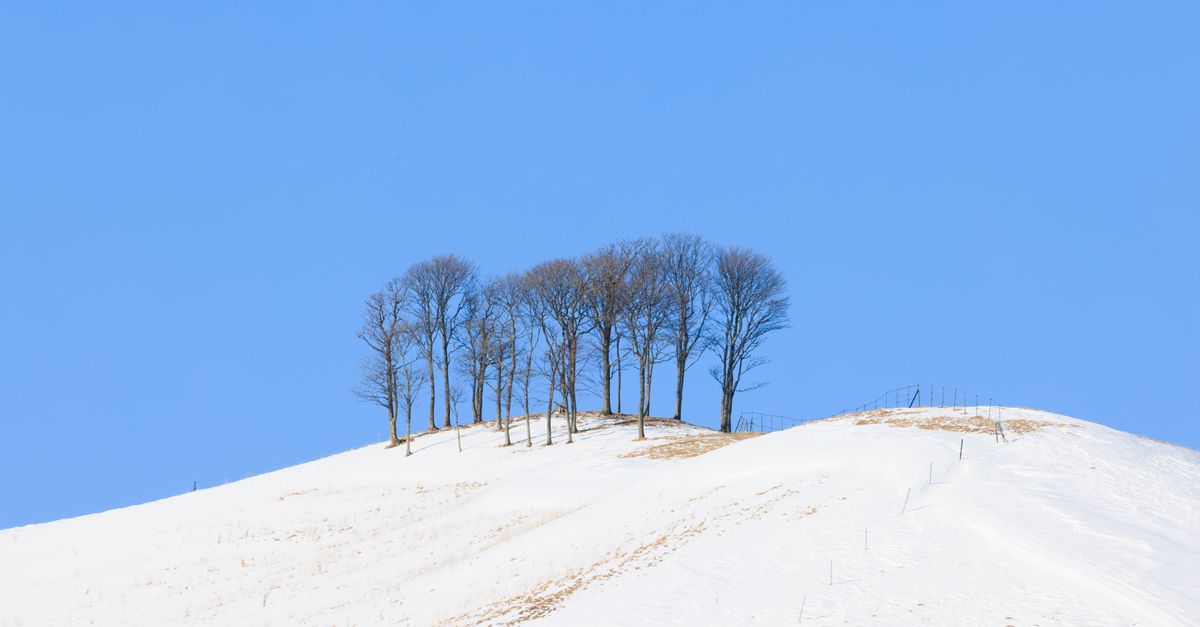
Photo · Phil Evenden · Pexels
Japan's ski marketing is essentially one resort. Niseko is genuinely excellent and it is also, for a family, four to nine times the price of resorts that offer the same snow and the same English instruction an hour or two away.
That is the whole argument of this page, and it is worth several thousand pounds on a family week.
Japanese yen. Convert any figure on this page into your own currency at today's published rate.
Open the currency converter →The lesson prices, side by side
Ski school is the single largest line in a family ski budget after the flights, because you are buying it for every child, often for several days.
| Indicative price | |
|---|---|
| Furano, group lessons | ¥13,000 to ¥32,000 per person |
| Rusutsu, group lessons, ages 4 to 14, half or full day | Full day includes supervised breaks and lunch |
| Niseko, private lesson, 2 hours afternoon | ¥45,000, off-peak ¥40,000 |
| Niseko, private lesson, full day 6 hours | ¥115,000, off-peak ¥100,000 |
Checked September 2026. Niseko group and children's club options exist and sit below the private figures, and the gap between a Furano group lesson and a Niseko private day is the point: it is not a small premium, it is a different order of magnitude.
What you actually get for the Niseko premium: more English signage, a much larger foreign community, better nightlife, more restaurant choice, and a resort that runs entirely in English.
What you do not get: better snow. Hokkaido's powder is a regional weather phenomenon, not a Niseko one, and Rusutsu and Furano sit in the same system.
Our call for families: Rusutsu or Furano. Rusutsu in particular runs group lessons for ages four to fourteen with lunch included on the full day, which is exactly the format a family wants, and it is a compact resort where children are not far away.
Where English instruction actually exists
This is the thing that worries families most and it is more settled than they expect. Established English-language instruction runs at Niseko United, Hakuba Valley, Rusutsu, Furano, Myoko Kogen, Nozawa Onsen, Shiga Kogen, Appi and Zao.
Book early regardless. Instructor numbers are the constraint rather than demand, and Christmas, New Year and Chinese New Year sell out months ahead. Japan's national tourism organisation lists the resorts with international ski schools, which is a better starting point than a resort's own marketing.
Hokkaido or Honshu
Hokkaido (Niseko, Rusutsu, Furano, Kiroro) is the powder. It is colder, the snow is drier and more reliable, and the resorts are further from anything else in Japan.
Honshu (Hakuba, Nozawa, Shiga Kogen, Myoko) is closer to Tokyo and Kyoto, so it slots into a wider Japan trip. Hakuba is the biggest and most international of them.
For a family whose trip is only skiing: Hokkaido. Fly into New Chitose, transfer, stay put.
For a family combining snow with cities: Honshu, because Hakuba is a bus and a train from Tokyo rather than a separate flight. Japan with kids has the non-ski version of the country.
Basing in Sapporo, and when that makes sense
Sapporo is a good city and it is not a ski base. It is about ninety minutes to two hours by coach from the main Hokkaido resorts.
A family staying in Sapporo and commuting to the snow will spend a large part of the week on a bus, in the dark at both ends, with equipment.
The shape that does work: a night in Sapporo at each end, bracketing a week at the resort. It breaks the flight, it gives you a city day, and the Sapporo Snow Festival in early February is genuinely spectacular if your dates line up.
Sapporo also has the cheaper hotels, which matters for the bracketing nights.
What we cannot show you: Niseko, Rusutsu, Furano and Hakuba are not in our catalogue, so there is no live room shelf for the resorts themselves. Resort accommodation in Japan is largely booked direct or through specialist agents anyway, and often months ahead. The Sapporo shelves above are real rooms for the nights at either end.
When to go
January and early February: the most reliable snow and the coldest weather. The powder that Japan is famous for is a January phenomenon.
Late February into March: warmer, longer daylight, lower prices, and still very good snow in Hokkaido. For a family this is usually the better trade, because a four-year-old in a January whiteout is not having a good time.
The two peaks to book far ahead or avoid: Christmas and New Year, and Chinese New Year, which moves each year and fills Hokkaido completely.
The best time to visit Japan has the wider month table.
What it costs now, including the bits that changed
Two Japanese costs rose in 2026 and both hit families.
The departure tax rose from ¥1,000 to ¥3,000 per person on 1 July 2026. It sits inside the airline ticket, so there is nothing to queue for, and a family of four is now ¥12,000 rather than ¥4,000. Children under two are exempt.
Kyoto's lodging tax rose steeply on 1 March 2026 and is charged per person. That does not affect a Hokkaido ski week directly, and it matters if you are adding Kyoto either side. Hokkaido's accommodation taxes are gentler. What a Japan trip costs has the whole budget.
Where the money actually goes on a ski trip: lessons, lift passes, equipment hire and the accommodation, roughly in that order for a family with young children. The lesson line is the one this page can save you the most on.
Visa-free · 90 days, on all five passports we check.
Short tourist stays only. Checked 21 Aug 2026; rules change without notice and the government page is the source of truth.
Check your own passport →Checked 21 Aug 2026.
Everything we check for Japan →Practical things
Hire equipment there. Japanese rental is good, it is cheap relative to carrying skis across the world, and airline sports-equipment fees for a family are substantial.
Buy the children's clothing at home. Japanese rental of outerwear exists and sizing for foreign children is inconsistent.
Onsen with children is normal and worth doing, and it is naked and single-sex from a certain age, which varies by facility. Small children go with the parent of either sex. Tattoos are still an issue at many onsen, so check if that applies to you.
The Japan Meteorological Agency publishes the snow depth records by region, which is a better guide to a resort's reliability than any brochure.
The snow is dry and very cold in January. Proper gloves, goggles and a balaclava for small children, not a scarf.
What to skip
Niseko private lessons for a beginner child, when a Rusutsu or Furano group lesson teaches the same wedge turn.
Basing in Sapporo for a ski week.
Christmas and New Year, unless you book many months ahead.
Carrying your own skis for a family.
A January trip with a four-year-old, if late February is available. Warmer, lighter, cheaper, still excellent.
Adding Kyoto for two nights at the end without checking the March tax change.
Before you book
Japan with kids is the non-ski family guide to the country, what a Japan trip costs has the budget including the 2026 tax changes, and the best time to visit Japan has the month table. Osaka with kids makes the case for basing there rather than in Kyoto, and first time in Japan is the practical layer. Long haul flights with kids covers getting there, and family holidays on a budget has where a ski week sits in a family total.
The Sapporo city guide and the Japan country guide carry the practicalities, and there is more in the with kids hub. When you are ready, Sapporo rooms are here and the bookable half is here.
Lesson prices and taxes checked September 2026. Ski school pricing is seasonal and varies between peak and off-peak within the same resort, so the individual ski school's own page is the source to confirm rather than any guide, this one included. Here is how we research and re-check guides.