The best time to visit Japan, according to the arrivals data
Late October is the best time to visit Japan. Japan's own arrivals figures also show the quiet season most guides promise you no longer exists.
Photo · Tien Nguyen · Pexels
Late October into the first week of November. Days in the high teens to low twenties, the driest run of the year, autumn colour working its way down Honshu, and none of the three domestic travel crushes. Late May is the runner-up.
That is the answer. The rest of this page is the part almost nobody publishes, because it needs Japan's own numbers rather than an opinion about weather.
Japan does not really have a quiet season any more.
Japanese yen. Convert any figure on this page into your own currency at today's published rate.
Open the currency converter →What the arrivals data actually shows
Every guide to this question tells you to dodge the crowds by travelling in winter or in June. Here is what Japan's tourism body counted month by month in 2026.
| Month, 2026 | Visitors | Note |
|---|---|---|
| January | 3,597,500 | The "quiet" month |
| February | 3,466,700 | |
| March | 3,618,900 | Record for a March |
| April | 3,692,200 | Busiest of the year so far |
| May | 3,559,900 | |
| June | 3,148,600 | The genuine low |
| July | 3,442,100 | Record for a July |
Look at the spread. The busiest month of 2026 was about 17% busier than the quietest, and January, the month everyone recommends for peace and quiet, brought more visitors than May, June or July.
The first half of 2026 brought 21,084,800 visitors, about 2% down on the same half of 2025, so this is not a story about a boom still climbing. It is a story about a boom that has flattened. The peaks stopped being seasonal and became permanent.
The three dates that actually matter
Domestic travel, not international, is what fills the trains and empties the hotel inventory. Three periods, and they are not negotiable.
Golden Week, 29 April to 5 May. Four national holidays in a row, the biggest domestic travel week of the year. Shinkansen reserved seats go weeks ahead, hotel rates in popular areas roughly double, and every famous sight is at capacity. If your dates touch it, either book everything months out or move.
Obon, roughly 13 to 16 August. Families travel to their home towns. Transport nationwide is packed, resort areas are full, and prices spike. Add the heat and you have Japan's hardest week.
New Year, about 29 December to 3 January. This one is different in kind: it does not just fill things, it closes them. Restaurants, small museums, family-run shops and some attractions shut for several days. Shrines, on the other hand, are extraordinary, because the whole country is at one. Go for the atmosphere, not the itinerary.
Season by season, with the trade honestly stated
Spring, March to May
The famous one. Cherry blossom in Tokyo, Kyoto and Osaka usually peaks between the last week of March and the first week of April, and the full bloom lasts about a week once it arrives. The date moves by up to a fortnight year to year, which is the thing to understand: you cannot book the blossom nine months out, you can only book a window and take your chances.
The fix that works and that few people use: go north. Hokkaido blooms about a month later, so Sapporo is in blossom in the first week of May, after Golden Week has emptied. If your leave is fixed for late April or early May, that is your trip.
April is otherwise the year's busiest month and May, once Golden Week is done, is one of its best: warm, dry, green, and noticeably calmer than April.
Summer, June to August
June is the rainy season, which starts in Tokyo around the 7th and runs several weeks. It is not a monsoon. It is grey, humid and wet in bursts, and it is the only genuinely quiet month left on the calendar. Hydrangeas are at their best and temple gardens in rain are better than temple gardens in sun.
July and August are hot in a way that changes what you can do. Tokyo sits around 30 to 31 degrees with high humidity, and Kyoto, in its basin, is worse. This is not a "pack light" problem, it is a "you will manage three hours of sightseeing a day" problem. Plan indoor afternoons and accept it.
Typhoon season peaks in August and September, mostly hitting Okinawa, Kyushu and Shikoku but capable of shutting down rail and air travel nationwide for a day or two.
The summer case is the festivals, which are genuinely among the best things in the country, and the mountains: Kamikōchi, the Japanese Alps, and Hokkaido, which is pleasant while Honshu is not.
Autumn, September to November
The best season, and it is not close.
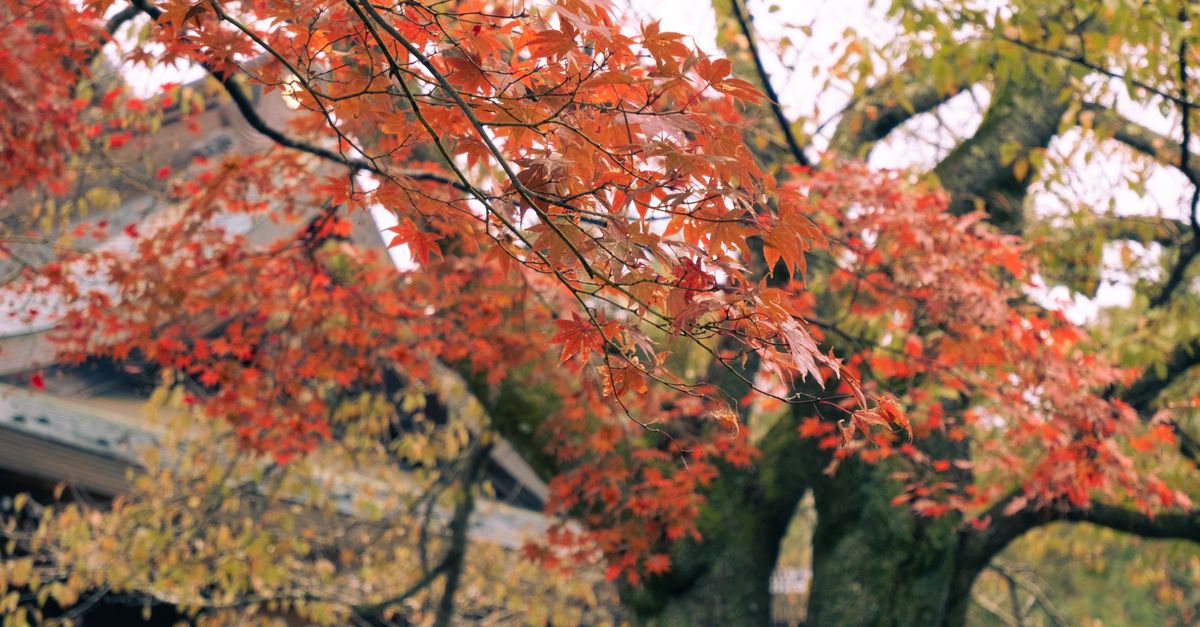
Late September and October have the most comfortable weather of the year. The autumn colour front, kōyō, descends from Hokkaido in late September through Honshu across October and November, and peak colour at any one place holds for one to two weeks.
The sequencing is the useful bit. Hokkaido peaks late September into early October. The Japanese Alps and Nikko through late October. Tokyo and Kyoto peak in late November, which is later than most people assume and is why a mid-October Kyoto trip sees green maples and a disappointed face.
Late October to early November is the sweet spot for a Tokyo-to-Kyoto trip: comfortable, mostly dry, early colour, and manageable on weekdays.
Winter, December to February
Underrated for cities, excellent for snow.
Mid-January to late February is the cheapest stretch of the year once New Year is done. Tokyo sits around 10 degrees and is dry and bright. Kyoto is cold and its temples in snow are the best they ever look, on the handful of days it falls.
And the skiing is the real argument. Hokkaido and the Nagano and Niigata resorts get some of the most reliable powder on earth from January into February, which is a completely different trip from the temple circuit and one Japan is not usually sold on.
The month table
Average daytime highs for Tokyo, rounded. Kyoto runs a little hotter in summer and colder in winter.
| Month | Tokyo high | Weather | Crowds | Verdict |
|---|---|---|---|---|
| Jan | 10°C | Cold, dry, bright | Busy after the 4th | Cheap, clear, good |
| Feb | 11°C | Cold, dry | Steadiest month | Best value |
| Mar | 14°C | Warming, variable | Building | Blossom gamble |
| Apr | 19°C | Mild, lovely | Peak | Blossom, at a price |
| May | 23°C | Warm, dry | High, then easing | Excellent after the 6th |
| Jun | 26°C | Rainy season | Lowest | Wet and quiet |
| Jul | 30°C | Hot, humid | High | Festivals, and heat |
| Aug | 31°C | Hottest, typhoons | High + Obon | Avoid unless you must |
| Sep | 27°C | Easing, typhoons | High | Improves every week |
| Oct | 22°C | Dry, comfortable | High | The answer |
| Nov | 17°C | Crisp, dry | High | Peak colour in Kyoto |
| Dec | 12°C | Cold, dry | Quiet, then chaos | Fine until the 28th |
The shoulder-season play, updated
The old advice was to travel in a shoulder month and have the country to yourself. That no longer works, so here is what does.
Move sideways, not earlier. Kanazawa, Takayama, Matsue, Onomichi and the Kiso valley are as good as the famous places and carry a fraction of the load. Our fourteen-day route is built around exactly this.
Move to weekdays. Japanese domestic tourism is heavily weekend-shaped. A Tuesday and Wednesday in Kyoto is a different city from a Saturday.
Move to the first hour. Half the crowding stories in Japan are stories about arriving at eleven. Three days in Kyoto is built on this and it is the single highest-leverage decision on any Japan trip.
Move north or west. Hokkaido in June is pleasant while Honshu rains, and Kyushu in March is warm while Tokyo is still cold.
What to skip
Booking a trip around the blossom forecast. The forecast is a genuine scientific product and it still moves by a fortnight. Book a fortnight that brackets the usual window, and treat the flowers as a bonus rather than the plan. People who invert that end up disappointed by a beautiful country.
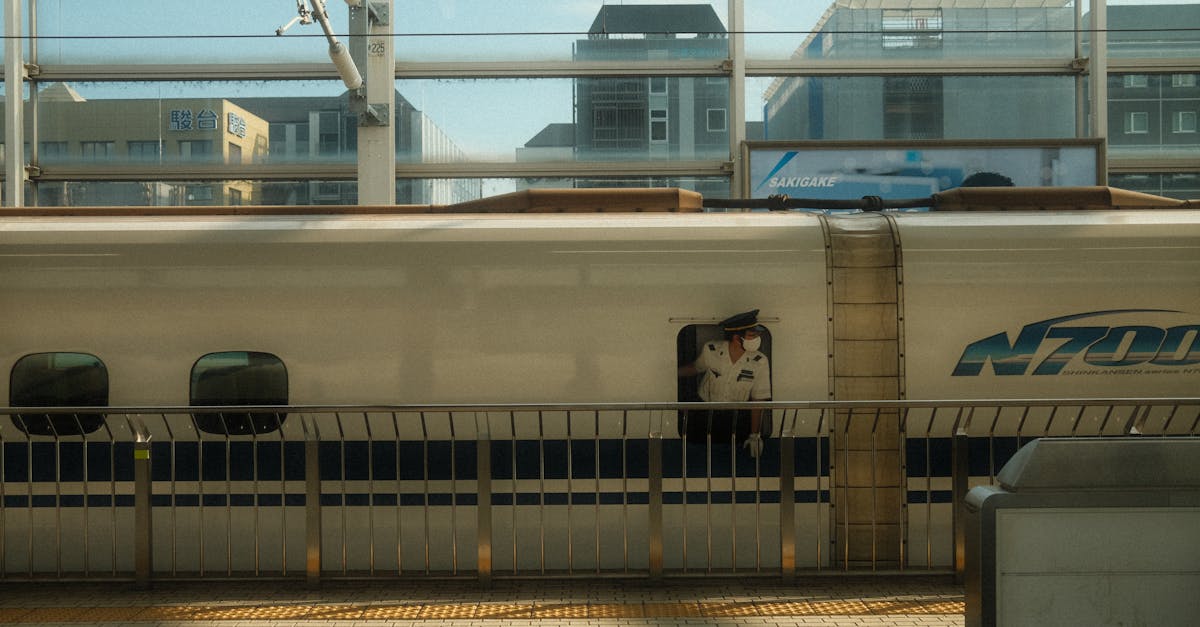
Golden Week, if you have any choice at all. It is not that things are busy. It is that the reserved seats you need in order to move between cities are gone, and unreserved carriages on the Tokaido line at that time of year are standing room for two hours.
August, unless the festivals are the point. Heat, Obon and typhoons in one month.
Trusting any crowd advice written before 2025. The whole shape of the year changed, and the numbers above are the evidence.
Where this points
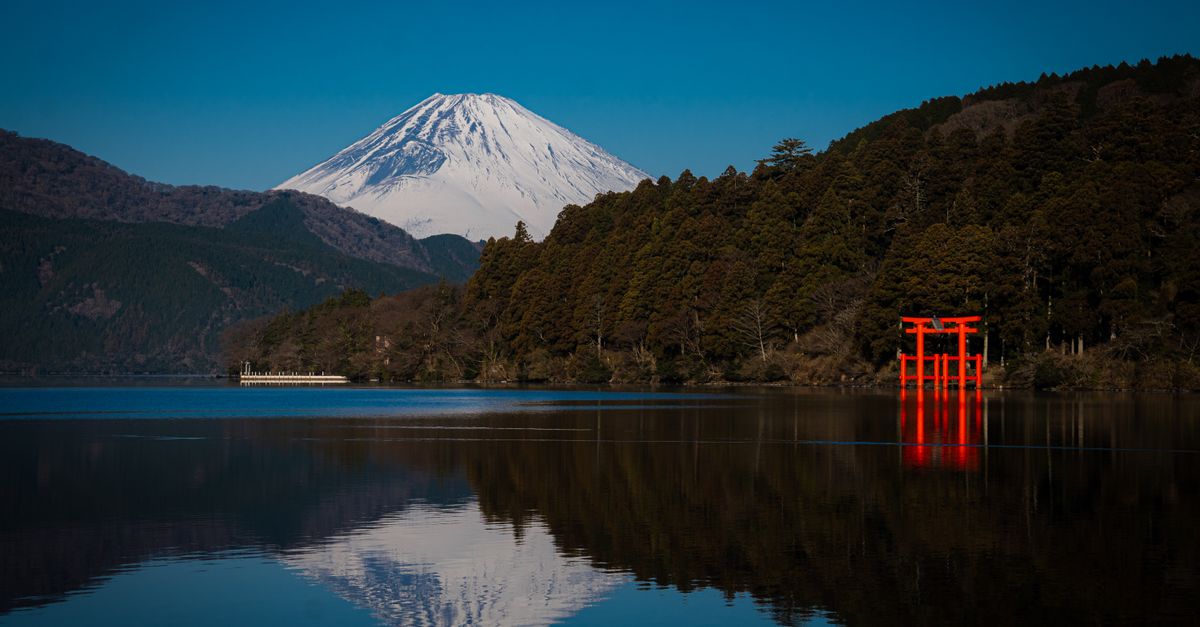
If you have a fortnight, fourteen days in Japan uses the sideways move above. If you have a week, seven days in Japan is the Tokyo and Kyoto core. Within the cities, five days in Tokyo and three days in Kyoto both build around the first hour of the morning, which is the crowd tool that still works, and day trips from Tokyo covers Hakone, Nikko and the Fuji lakes, where the seasonal advice is sharpest because the mountain is only reliably visible from late autumn to early spring.
For where to sleep, Tokyo and Kyoto have the area guides, and Kyoto's has the accommodation tax that changed in March 2026. Travelling as a family changes the month you should pick, and Japan with kids says how.
Visa-free · 90 days, on all five passports we check.
Short tourist stays only. Checked 21 Aug 2026; rules change without notice and the government page is the source of truth.
Check your own passport →Checked 21 Aug 2026.
Everything we check for Japan →Before you book
The Japan country guide has the practicalities, and the when to go hub does this same job for everywhere else we cover. Picking a month for a specific trip? The month pages show what October looks like across the whole catalogue. Ready to look at rooms? Tokyo stays are here, and Kyoto stays here.
Arrival figures are Japan National Tourism Organization estimates for 2026, read in September 2026. Climate figures are long-run averages, not a forecast; Japan Guide keeps a good month-by-month weather page and the national parks service publishes the seasonal picture. Here is how we research and re-check guides.