Where to stay in Kyoto, buses included
Kyoto has two subway lines and neither reaches the temples. Which neighbourhood to book, what a night actually costs by month, and the new tax.
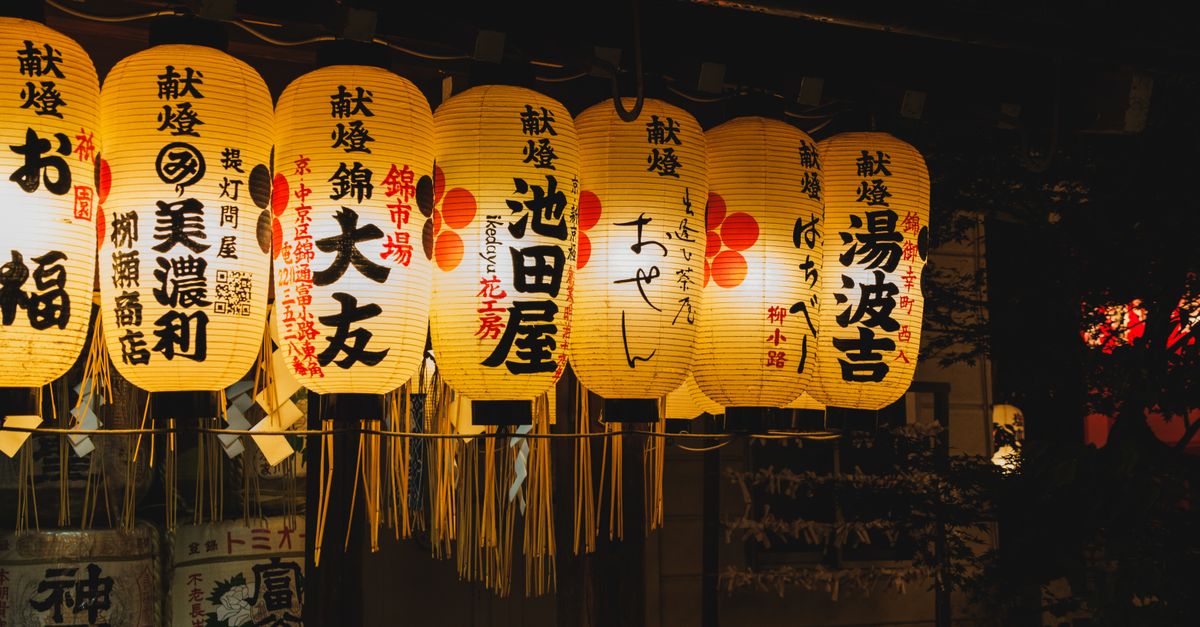
Photo · Liuuu _61 · Pexels
Stay Downtown, around Kawaramachi and Nishiki, unless you have a specific reason not to. It is the only part of Kyoto on both subway lines and both private railways, it is on most bus routes, and it is a fifteen-minute walk from the Higashiyama temples people come here for. Higashiyama and Gion are the postcard and cost accordingly. Kyoto Station is for early trains and heavy luggage. And Arashiyama is a beautiful place to visit and a poor place to sleep.
The reason Downtown wins is not charm. It is that Kyoto's transport is worse than its map suggests.
Two subway lines, and neither goes where you're going
Kyoto has exactly two subway lines with a single interchange between them, at Karasuma Oike.
- Karasuma, running north–south: Kitaōji, Imadegawa, Shijō, Kyoto Station.
- Tozai, running east–west: Yamashina, Keage, Higashiyama, Sanjō Keihan, Nijōjō-mae.
Look at where the sights are and the problem becomes obvious. The eastern temple belt — Kiyomizu-dera, Ninenzaka, Sannenzaka, the Gion lanes — has no subway station at all. Tozai clips its northern edge at Higashiyama and that is the extent of it.
This is why Kyoto is a bus city, and why "five minutes from a subway station" means much less here than it would in Tokyo or Osaka. What you actually want is to be walkable to the sights, or on a bus route that reaches them without crossing the whole city.
Fares, from the Kyoto City Transportation Bureau and current as of September 2026:
| Ticket | Adult | In AUD |
|---|---|---|
| City bus, flat fare | ¥230 | A$2.01 |
| Subway, by distance | ¥220–360 | A$1.92–3.14 |
| Subway & Bus 1-day pass | ¥1,100 | A$9.60 |
| Subway-only 1-day pass | ¥800 | A$6.98 |
Two things about that day pass. The old ¥700 bus-only pass has been abolished — the city withdrew it deliberately, to push visitors off crowded buses and onto the subway. And the economics changed with it: you now need about five bus rides to break even on ¥1,100, where three used to cover ¥700. On a day spent walking one district, buy nothing and tap an IC card.
There is also a fare change coming, but not yet in force. In February 2026 the mayor announced a two-tier system — around ¥200 for residents and ¥350–400 for everyone else, verified by an ID-linked travel card. The ordinance still needs to go through the city and then national government, with rollout expected in the 2027 financial year. Treat it as a thing that is likely to happen rather than a thing that has.
The areas
Downtown (Kawaramachi, Nishiki, Nakagyō) — the best all-round base and the one we would book. Both subway lines, Hankyu at Kyoto-Kawaramachi, Keihan at Sanjō and Gion-Shijō, and the food. It is modern and busy rather than old and quiet, which is the trade. Fifteen minutes on foot to Gion.
Higashiyama and Gion — where the photographs come from, and priced well above the city average. No subway through the core: Keihan and Hankyu skirt the western edge, so you walk or you bus. The crowds peak at midday and thin markedly before nine and after five, which is a genuine argument for sleeping here if you will use those hours.
Kyoto Station — the Shinkansen, three JR lines, the Karasuma subway, Kintetsu, the airport express and the main bus hub, all in one building. Ideal if you are day-tripping to Nara or Osaka, or leaving early. The catch is straightforward: you are not in the Kyoto you came for, every sight needs a ride, and the area is charmless after dark.
Nishijin and Imadegawa — the value and quiet option, on the Karasuma line, with bigger rooms for the money. Few sights on the doorstep; you will ride or cycle to everything. Good on a second visit.
Fushimi — south of the city, five minutes and ¥150 from Kyoto Station on the JR Nara line. Worth it only if dawn at Fushimi Inari is the point of your trip, and even then most people do that as an early morning from Downtown.
Kiyomizu — atmospheric and hard. The nearest station is a twenty-minute walk, and the approach is slopes and stairs. With a suitcase this is the worst arrival in Kyoto.
What it costs, by month
Nobody ranking for this question publishes prices. Here are real ones, from the Kyoto City Tourism Association's monthly survey of 117 hotels and 21 ryokan — city-wide averages rather than per-neighbourhood guesses, and honest about which they are.
| Month, 2026 | Average nightly rate | In AUD | Occupancy |
|---|---|---|---|
| July | ¥17,744 | A$155 | 75.2% |
| May | ¥24,231 | A$211 | 87.0% |
| March | ¥26,017 | A$227 | 81.6% |
| Golden Week | ≈¥48,900 | ≈A$427 | — |
That is a 47% swing between July and March for the same rooms, and it is the most useful planning number on this page. Kyoto in high summer is hot and humid and noticeably cheaper; Kyoto in cherry-blossom season and again in November costs nearly half as much again and sells out months ahead.
As a rough guide to type rather than area: business hotels run ¥7,000–20,000 a room, and ryokan ¥15,000–30,000 per person including dinner and breakfast.
The tax that changed in March
This is the biggest hole in every competing guide, and it is not small money any more.
Kyoto replaced its accommodation tax with five bands on 1 March 2026, charged per person, per night, on the room rate:
| Room rate pp/night | Tax | In AUD |
|---|---|---|
| Under ¥6,000 | ¥200 | A$1.74 |
| ¥6,000–19,999 | ¥400 | A$3.49 |
| ¥20,000–49,999 | ¥1,000 | A$8.72 |
| ¥50,000–99,999 | ¥4,000 | A$34.89 |
| ¥100,000 and over | ¥10,000 | A$87.23 |
The top band went up by 900%. Work it through on a real booking: two people, three nights in a ¥45,000 ryokan is ¥6,000 — about A$52 — in tax alone, and because ryokan price per person you hit the higher bands faster than a couple in a hotel room at the same headline rate. Ryokan with hot springs add a separate onsen tax of ¥150 per person per night on top.
Getting in
| Route | Time | Fare | In AUD |
|---|---|---|---|
| Kansai (KIX) → Kyoto, JR Haruka, unreserved | ~75 min | ¥3,060 | A$26.69 |
| Kansai (KIX) → Kyoto, JR Haruka, reserved | ~75 min | ¥3,590 | A$31.32 |
| Itami (ITM) → Kyoto, limousine bus | ~50–55 min | ≈¥1,340 | ≈A$11.69 |
| Tokyo → Kyoto, Shinkansen, reserved | ~2h 20m | ≈¥14,000 | ≈A$122 |
Worth knowing: the JR fare revision of 14 March 2026 left the Tokaido Shinkansen unchanged, so Tokyo–Kyoto costs what it did. Travellers routinely assume otherwise.
The Itami bus fare above is from a secondary source and bus fares rose in April 2025 — check it on the day rather than budgeting to the yen.
Where not to stay, and one thing not to buy
Arashiyama, as a base. It appears on most "best areas" lists because it photographs beautifully, and three separate local guides say don't. It sits on the western edge — fifteen minutes and ¥240 by JR, or twenty by tram, or a change at Katsura on the Hankyu — and Japan Guide warns outright against the bus because of traffic. It empties when the day-trippers leave and the dinner options are thin. Visit it at eight in the morning from Downtown. The one genuine reason to sleep there is to have it empty around you, which is a real reason, for one deliberate night.
Gion's private alleys, if you sleep inside them. Since 2024 the small private lanes in Gion have been closed to tourists, with photography banned on private roads and fines for entering. If your accommodation is inside that area, know the rules before you arrive rather than after.
And do not buy a Japan Rail Pass for a Kyoto-focused trip. It covers no city bus and no municipal subway — the two networks you use daily. Locally it buys you a ¥150 ride to Fushimi Inari and a ¥240 ride to Arashiyama, which no pass can ever repay. The seven-day pass is ¥50,000, rising to ¥53,000 through overseas agents from 1 October 2026, and it needs a supplement for Nozomi trains on top. An IC card plus the occasional ¥1,100 day pass is cheaper and less restrictive. Our seven-day Japan itinerary runs the full arithmetic if you want to see it.
So, where?
Downtown, first visit, no argument. Higashiyama if you will genuinely be out before nine and after five, which is when it is worth the premium. Kyoto Station if you are day-tripping or leaving early. Nishijin if you have been before.
Then decide when, because in Kyoto that is the bigger financial decision — see when to go and the Kyoto city guide for what is actually in each district. Pairing it with the capital is the standard trip, and Tokyo has its own where-to-stay guide that works on completely different principles. The Japan country guide covers the wider practicalities, our other where-to-stay guides cover the rest of the world, and every Kyoto stay we can source is here.
Fares, taxes and averages checked September 2026. The bus fare reform and the accommodation tax are both moving targets — here is how we research and re-check guides.