Japan with kids, two cities and the train between them
Japan with children from about four. The two-city route that works, the Shinkansen rules for families, and why the rail pass usually loses.
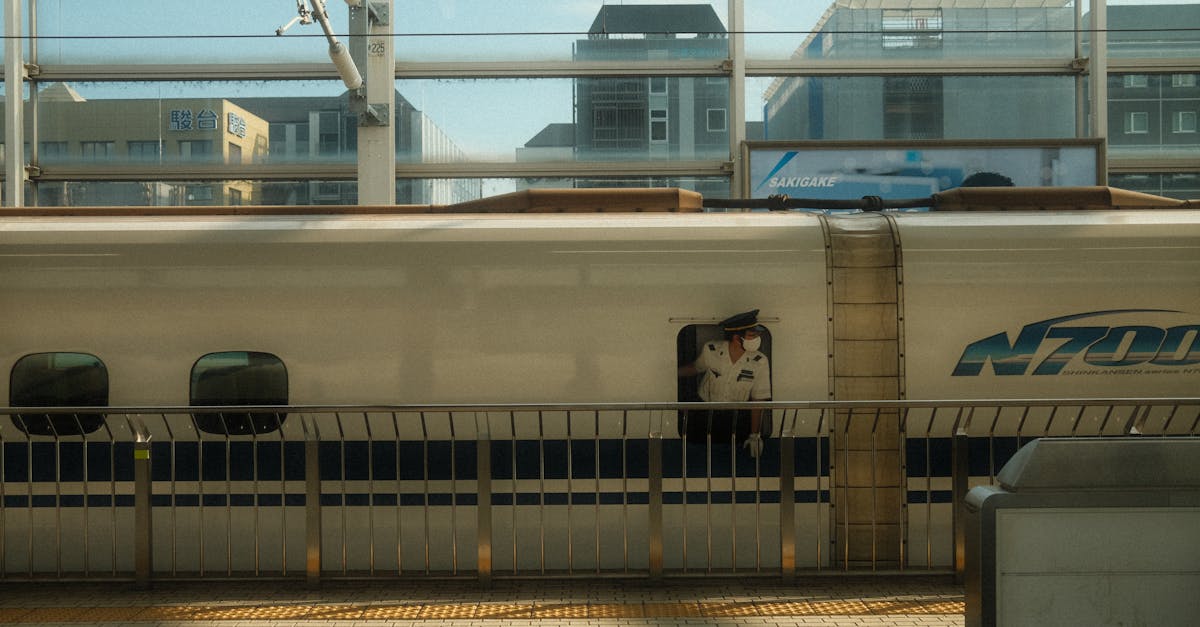
Photo · Huu Huynh · Pexels
Japan is one of the easiest countries in the world to travel with children, and one of the easiest to over-plan.
The route that works is two cities: Tokyo, and one of Kyoto or Osaka, with a day trip from each. Everything that goes wrong on a family trip to Japan goes wrong because somebody added a third and a fourth.
This is the country-level guide: the trains, the rooms, the rail-pass arithmetic and the things that are not in Tokyo. For the city itself, Tokyo with kids has the attractions, the ticket lotteries and the free-entry rules.
Japanese yen. Convert any figure on this page into your own currency at today's published rate.
Open the currency converter →The train rules for families
The Shinkansen is the best part of the trip for most children and the rules are generous, so it is worth knowing them precisely.
Under 6: free, on a lap. Up to two young children travel free with each fare-paying passenger, so two adults can carry two toddlers at no cost. If you want the child in their own seat you pay the child fare, and on a two-hour run to Kyoto that is money well spent.
Aged 6 to 11: half fare, and half on all three components: the basic fare, the limited express fare and the reserved-seat charge. This is not a token discount, it is genuinely half.
Aged 12 and up: adult fare. A twelve-year-old is an adult on Japanese railways, which surprises people.
The rail pass, and why it usually loses
A seven-day Japan Rail Pass rises to ¥53,000 from 1 October 2026, up from ¥50,000, and a child pass is half. A family of two adults and two children aged 6 to 11 is therefore looking at about ¥159,000.
A Tokyo to Kyoto Shinkansen run and back does not come close to recovering that. Neither does adding Osaka, Nara and Hiroshima. The pass starts to make sense on a route that crosses the country repeatedly, and a family trip is almost never that route, because families move less.
Buy point-to-point tickets. Put the difference into the Ghibli Park day.
The two-city route
Tokyo first, because the flight lands there and because jet lag with children is best spent somewhere with parks and convenience stores rather than somewhere with temples. Four or five days. Five days in Tokyo is the shape, and Tokyo with kids is the version that accounts for a shorter attention span.
Then Kyoto or Osaka, two hours and change on the Shinkansen. This is the choice most people agonise over and it is simpler than it looks with children:
- Kyoto if your children are eight or over and will walk. It is temples,
gardens and the best day trips. Three days in Kyoto is built around getting to one compass point per day, which matters more with short legs.
- Osaka if they are younger, or if anyone in the family wants a theme park.
Osaka is flatter, louder, cheaper to eat in, has an outstanding aquarium, and Kyoto is 15 minutes away by train, so you can day-trip the temples rather than base in them.
Day trips from both. From Tokyo that means Kamakura for the giant Buddha and the seaside tram, at ¥1,640 for the pass and under an hour. From Kyoto or Osaka it means Nara, where the deer bow for crackers and, it must be said, also head-butt small children who are holding crackers and have stopped handing them over.
Ghibli Park is not the Ghibli Museum
These are two different places, several hours apart, and the confusion costs people a day.
The Ghibli Museum is in Mitaka, western Tokyo. Small, indoor, magical, ¥1,000 for an adult and ¥100 for a four-year-old, and tickets go on sale through Lawson at 10am Japan time on the 10th of each month for the following month and disappear in minutes.
Ghibli Park is in Aichi prefecture near Nagoya, on the site of a former world expo. It is large and mostly outdoors, and its own ticket page prices the O-Sanpo Day Pass Premium at ¥7,300 on weekdays and ¥7,800 at weekends and holidays, with children aged 4 to 12 at ¥3,650 and ¥3,900, and under-3s free.
Nagoya sits on the Shinkansen between Tokyo and Kyoto, so the park slots naturally into the transfer day if you are prepared to make that day about the park. It is not a Tokyo afternoon.
The rooms, which are the real constraint
Japanese hotel rooms are small and built for two. Family rooms exist and they are scarce, and many business hotels cap occupancy at two adults plus one small child.
Three things that solve it:
Japanese-style rooms. A washitsu with futons laid on tatami sleeps four comfortably in one room, costs less than two western rooms, and children generally think sleeping on the floor is the best part of the holiday. This is the single most useful accommodation tip in the country.
Apartment hotels. Now common in Tokyo, Kyoto and Osaka, with a kitchenette and a washing machine, which after five days of travel matters more than you expect.
Ryokan, with a caveat. A night in a ryokan with an onsen is a wonderful thing and the multi-course kaiseki dinner is often wasted on a seven-year-old. Many ryokan do a children's menu if asked at booking. Ask at booking, not on arrival.
On the onsen itself: bathing is naked and segregated by sex, small children go in with a parent of either sex, and visible tattoos are still refused at a lot of traditional baths. If that affects your family, look for a ryokan with a private family bath, a kashikiri buro, which most now offer for an hour at a time.
Eating, which Japan makes easy
Conveyor-belt sushi with touchscreen ordering, department store food halls, family restaurant chains with picture menus and high chairs, and convenience store food that is genuinely good. Japanese food is mild by default and the spicy things are clearly labelled.
Two habits to adopt. Eating while walking is frowned on in most places, so buy, stop, sit, eat. And there are almost no public bins, so the wrapper comes with you until you find one at a convenience store.
When to go with children
The short version: late October into early November, or late May. Avoid Golden Week, 29 April to 5 May, Obon, around 13 to 16 August, and New Year, when trains are full and a lot of things simply close.
Avoid July and August unless you have to travel then. Tokyo sits around 30 to 31 degrees with heavy humidity, Kyoto's basin is worse, and that is a genuine limit on how much a child will do in a day rather than a matter of packing. The full picture is in the best time to visit Japan, which uses Japan's own arrival figures rather than the usual guesswork.
What to skip with kids
A third and fourth city. Every move is a packing morning, a station transfer with luggage, and a check-in. Two cities and four day trips beats four cities every time.
Both theme parks. Tokyo Disney and Universal Studios Japan in one trip is two of your days and a very large amount of money, in a country where the unusual things are what you came for.
The Green Car with young children. It is quiet, it is expensive, and quiet is the thing you cannot promise. Ordinary reserved seats are excellent.
Nara's deer with a toddler. The deer are wild, they are the size of a large dog, and they get insistent about crackers. Wonderful from about seven, alarming at three.
The 7.30am start in Tokyo. It collides with the one hour of the day the rail network cannot take a family. This is covered properly in Tokyo with kids and it is worth repeating at country level, because it is the mistake visitors make on day one.
Visa-free · 90 days, on all five passports we check.
Short tourist stays only. Checked 21 Aug 2026; rules change without notice and the government page is the source of truth.
Check your own passport →Checked 21 Aug 2026.
Everything we check for Japan →Before you book
Tokyo with kids is the city half of this and has the attraction prices, the ticket lotteries and the child IC card rules. Seven days in Japan and fourteen days are the adult routes, and the fourteen-day one is the model if you have the time to add a third base. Day trips from Tokyo has Kamakura and Hakone and the passes each needs. For rooms, the Tokyo and Kyoto area guides both matter more with children than without, because the walk from the station is the whole game. The Japan country guide has the practicalities, and the rest of the family guides take the same approach.
Fares, pass prices and ticket rules checked September 2026. The Japan Rail Pass rises on 1 October 2026, so the arithmetic above uses the new figure rather than the current one. Here is how we research and re-check guides.