The best time to visit New Zealand, and the month everyone books by mistake
The best time to visit New Zealand month by month, with the domestic holiday rush that moves prices island-wide and the levy you pay before you land.
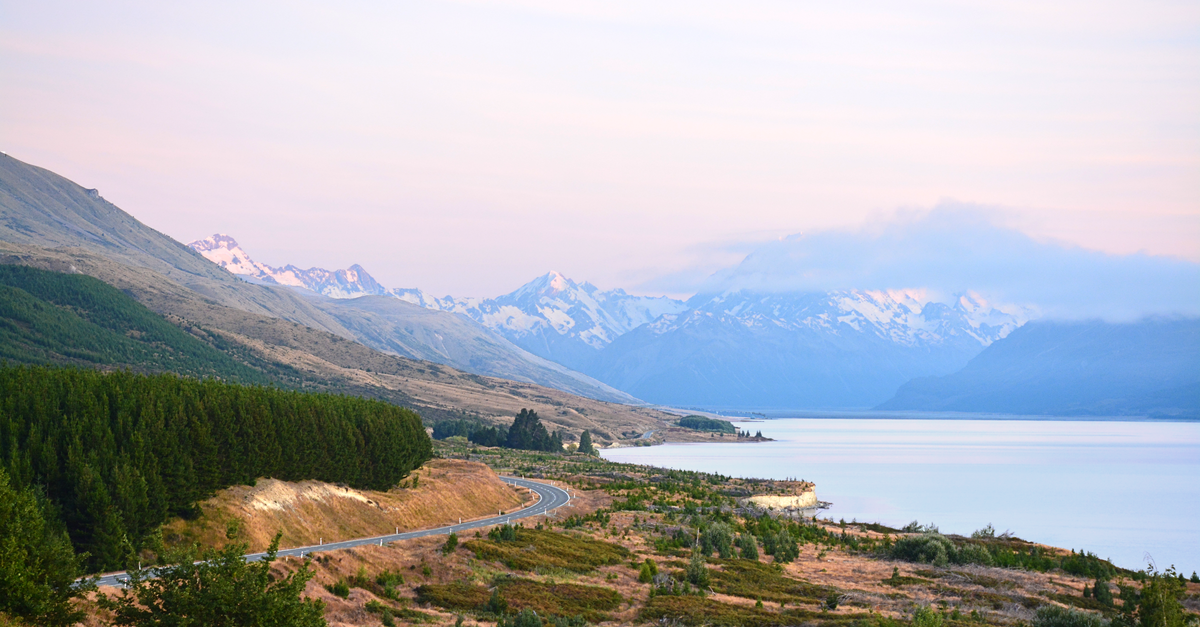
Photo · Donovan Kelly · Pexels
New Zealand's best month is February, and the reason is not weather. It is that the whole country stops in January and most overseas visitors do not know that when they book.
February and March give you the settled weather, the long evenings and a country that has gone back to work.
New Zealand dollar. Convert any figure on this page into your own currency at today's published rate.
Open the currency converter →The January problem
New Zealand's summer school holidays run from just before Christmas into late January, and the country takes them properly. Families head south, the campgrounds fill, the resort towns book out, and rates rise across both islands rather than just in the obvious places.
The weather in January is excellent. Everything else about January is harder than February: more expensive, harder to book, busier on the roads and at the trailheads.
February keeps the weather and loses the crowd. March keeps most of the weather, loses more of the crowd, and adds autumn colour in Central Otago, which is one of the best sights in the country and is on nobody's list.
Short tourist stays only. Checked 21 Aug 2026; rules change without notice and the government page is the source of truth.
Check your own passport →Month by month
January. Peak summer, peak domestic travel, peak prices. Beautiful and busy.
February. The best month. Settled weather, long days, warm sea by New Zealand standards, and the domestic rush finished.
March. The second best. Slightly shorter days, still warm, quieter again, prices easing, and the vineyards in harvest.
April. Autumn, and the most underrated month. Central Otago and Arrowtown turn gold, the light is extraordinary, and the crowds have gone. Cooler, with more weather risk.
May. Quiet and cheap. The shoulder before the ski season. Good for the cities and the north, unpredictable in the south.
June to August. Winter. The ski fields around Queenstown and Wanaka run a proper season, the South Island under snow is spectacular, and prices outside the ski towns are at their lowest. Short days, some alpine passes closing, and the Milford Road becomes a more serious drive.
September and October. Spring. Lambing, waterfalls at full volume from the snowmelt, blossom, and low prices. Genuinely changeable weather, which in New Zealand means four seasons in an afternoon.
November. Excellent and quiet. Warm enough, long days returning, before the domestic season starts. The best value month with good weather.
December. Good until about the 20th, then the country goes on holiday.
The regional differences
The North Island is warmer and more humid, subtropical in the far north, and its summer is longer at both ends. Auckland and the Bay of Islands work from about November to April.
The South Island is cooler, drier on the east and extremely wet on the west coast, where the Southern Alps wring the weather out. Fiordland is one of the wettest inhabited places on earth, which is why it looks the way it does.
Central Otago, around Queenstown and Wanaka, is the driest and has the biggest seasonal swing: hot summers, cold winters and the country's best autumn.
The practical rule: on the South Island, plan for weather rather than around it. A fine forecast three days out means very little on the west coast.
How long, and the mistake to avoid
Ten days for one island, done properly. Three weeks for both.
The single most common planning mistake is treating the two islands as one destination. The drive from Auckland to Wellington alone is about nine hours, before a ferry crossing, and then the South Island starts.
Pick one island for a fortnight and the trip immediately improves. The South Island road trip has the driving times done honestly, including why Milford Sound from Queenstown is a ten-hour driving day and Te Anau fixes it.
Checked 21 Aug 2026.
Everything we check for New Zealand →Picking a month for a specific trip
A first visit, general: February or March.
Hiking the Great Walks: the Great Walks season runs roughly late October to late April, with huts booked and serviced in that window and considerably more serious outside it. Bookings open months ahead and the popular walks go in minutes.
Skiing: July and August, and check the season's snow rather than the calendar.
Autumn colour: late April, in Central Otago and Arrowtown.
Whale watching at Kaikoura and wildlife generally: year round, and calmer seas in summer.
Value with good weather: November, which is the quiet answer almost nobody gives.
What to skip
January, if you have any flexibility. The whole first section.
Both islands in ten days.
Booking Franz Josef, Te Anau or Wanaka a week out in February. Very few beds, very high demand.
A fixed South Island schedule. Keep a spare day.
Assuming a Great Walk hut will be available. They are booked months ahead.
Judging the west coast by the forecast. Take the waterproof anyway.
Before you book
The South Island road trip is the route these months apply to, and Queenstown with kids is the family version with the age bands and the levy in full. Where to travel in January has where New Zealand's summer sits against the northern winter, and the best places to travel in 2027 has the year ahead. Fiji with kids and day trips from Melbourne are Elise's other guides in this part of the world.
The Queenstown city guide, the Christchurch city guide and the New Zealand country guide carry the practicalities, and there is more in the when to go hub.
Levy amount and seasonal patterns checked September 2026. Great Walk booking windows and alpine road status both change, and the Department of Conservation publishes the hut booking calendar, which is the place to check rather than any guide, this one included. Here is how we research and re-check guides.