Fiji family holidays, and the tide chart that decides them
Fiji with children. Why the tide decides whether your resort has a swimmable beach, how to pick between Denarau, the Coral Coast and the islands.
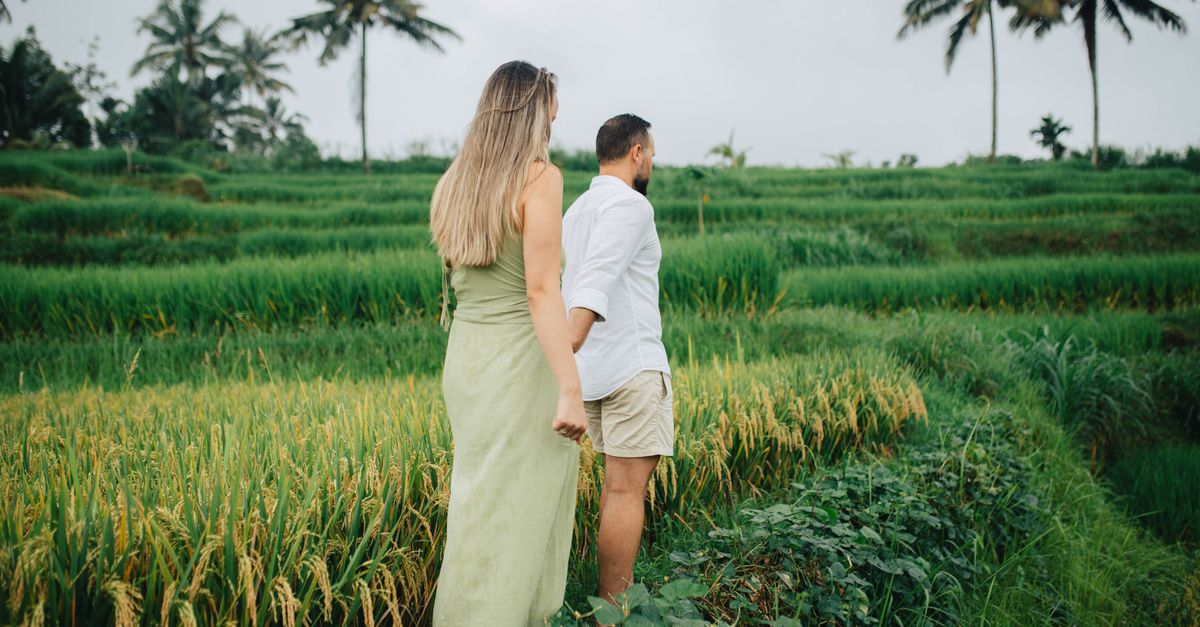
Photo · Jess Loiterton · Pexels
Fiji sells itself on kids clubs, and they are genuinely good. But the thing that decides whether a Fiji family holiday works is not the club, the star rating or the resort's photographs.
It is the tide.
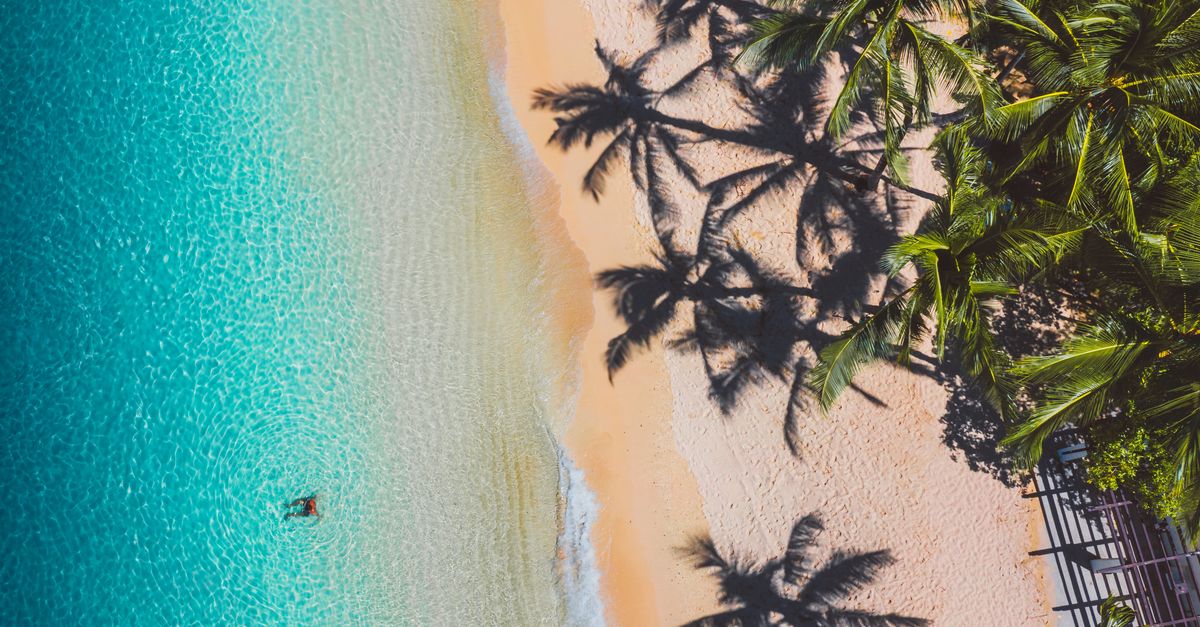
Fiji's beaches sit behind fringing reefs, and at low tide a lot of them drain out to an ankle-deep coral flat you cannot swim in. The brochure photograph is always taken at high tide. Nobody publishes this and everybody discovers it at two in the afternoon on day one.
Fijian dollar. Convert any figure on this page into your own currency at today's published rate.
Open the currency converter →Read the tide, not the stars
The fix is simple and it takes ten minutes before you book.
Ask the resort directly: is the beach swimmable at low tide, and how far out does the reef flat go? A good resort answers honestly, because the ones with a deep-water beach are proud of it and the ones without have already solved it with a pool, a pontoon, a jetty or a boat shuttle to a sandbar.
What you are choosing between is roughly:
- A resort with deep water at all tides. Rarer, usually on a point or a
channel, worth paying for if swimming from the beach is the holiday.
- A resort with a reef flat and a serious pool. The common and perfectly good
answer, especially with small children, who mostly want a pool anyway.
- A resort with a reef flat and a small pool. The one that disappoints.
Reef shoes for everyone, incidentally, whatever you pick. Coral cuts infect quickly in the tropics and a reef flat is a walking surface as much as a swimming one. Tourism Fiji publishes its own water-safety guidance and it is worth five minutes before the first swim, because the hazards here are currents and coral rather than anything with teeth.
Where to base
Denarau is the obvious answer and the reason is geography: it is about ten kilometres from Nadi International Airport and the transfer takes under half an hour. With children who have just come off a long flight, that is worth a great deal. It is a purpose-built resort island with a row of large hotels, kids clubs, a golf course and a marina, and it is the departure point for everything.
It is also, honestly, not very Fijian. It is a well-run resort strip that happens to be in Fiji, and the beach is a working reef flat rather than a postcard. Families who want the easy version are right to pick it and should know what they are picking.
Getting around Denarau is easy and cheap: the Bula Bus hop-on-hop-off runs the island for a little over FJ$10 an adult for the day, and children under 12 travel free with a paying adult.
The Coral Coast, an hour and a half to two hours by road from the airport, is the mainland alternative with more Fiji around it: villages, waterfalls, the Sigatoka sand dunes, and resorts that feel less like a compound. The trade is the drive at the end of the flight.
The Mamanuca islands are the picture. Catamarans leave Denarau through the day and take from about forty-five minutes to a couple of hours depending on how far out you go. Small, sandy, clear water, and some genuinely excellent family resorts with kids clubs and free-for-under-12 policies.
The catch is the boat. It is open water, it is regularly bumpy, and it runs to a timetable rather than to your child's nap. With a toddler, one transfer each way is fine and island-hopping is not.
A note on the shelf above. Those are properties around Nadi, our catalogue city for this part of Fiji. The island resorts in the Mamanucas and Yasawas largely sit outside that inventory, because they are sold as packages with the boat transfer included. Use the shelf for the mainland and Denarau half of the decision, and a package for the islands. We would rather say that than pretend otherwise.
The kids-stay-free lever
This is the biggest single influence on what a Fiji family holiday costs, and it is a resort policy rather than a season.
Several family resorts let under-12s stay and eat free when sharing a parent's room, and most of the large ones run a free kids club through the day. Between them, that can halve the cost of a week against a resort that charges per person for meals.
So choose the resort around the policy, not the other way round. Two questions at booking: what is the child age cut-off, and does "eat free" mean the buffet only or the whole menu.
When to go
May to October is the dry season and the answer for most families. Warm, sunny, low humidity, and the calmest sea of the year, which matters if a boat transfer is in your plan.
September is the pick: the northern-hemisphere summer holidays have finished, the weather is still excellent, and prices ease before the southern-hemisphere summer rush at Christmas.
The cyclone season runs officially from 1 November to 30 April, peaking January to March, and the Fiji Meteorological Service is the place to check rather than a forecast app. That is worth understanding rather than fearing: a direct hit on any given resort in any given week is uncommon, Fiji's forecasting is good, and resorts are well drilled. Most wet-season trips see heavy afternoon rain and nothing worse. If you travel then, buy insurance that covers weather disruption and keep the itinerary loose.
School holidays are the other calendar to watch, and they come from both hemispheres. The northern summer fills July and August; the southern summer fills late December and January; both push rates up sharply.
What to actually do
A village visit, properly arranged through the resort, with a sevusevu presentation of kava to the chief. Children are welcomed and usually adopted within minutes. Cover shoulders and knees, and take a hat off in the village.
A day trip to a sandbar or a small island from Denarau. Half a day, calm water, snorkelling for older children and a beach for the small ones.
The Sabeto mud pools and hot springs near Nadi, which is exactly what it sounds like and is universally the thing children talk about afterwards.
The Garden of the Sleeping Giant, an orchid garden in the hills behind Nadi, for a cool hour out of the sun.
Snorkelling, from about seven. Fiji's soft coral is among the best in the world and a lot of it is in water shallow enough for a child in a life vest.
The practical layer
Fiji is malaria-free, which removes a whole planning problem that Southeast Asian family destinations carry.
Checked 21 Aug 2026.
Everything we check for Fiji →Two additions to that card. Sun is the real hazard: Fiji sits at 17 degrees south, the UV is fierce, and the reliable approach is rash vests and shade rather than reapplying sunscreen at a child every ninety minutes. And everything runs on Fiji time, including boats, which is charming on day three and stressful on day one if you scheduled a connection tightly.
Visa-free · 120 days, on all five passports we check.
Short tourist stays only. Checked 21 Aug 2026; rules change without notice and the government page is the source of truth.
Check your own passport →What to skip
Suva as a family destination. It is the capital, it is on the wet side of Viti Levu, and it is a working city with a good museum and no beach holiday in it.
Island-hopping with under-fives. Two or three island resorts in a week sounds romantic and is three boat transfers, three check-ins and three sets of unpacking, in a country where the transfers are the hard part.
Booking Nadi itself. It is the airport town. It has the market and the temple and it is not where you spend a holiday, which the catalogue's own two-day rating for it reflects honestly.
A resort chosen only on the photographs. Back to the tide. The photograph is at high water, every time.
Cramming a Yasawas trip into a week. The Yasawas are further out and more beautiful and the boat is longer. They are a fortnight's destination, or a second visit.
Before you book
The Nadi city guide covers the arrival end and the Fiji country guide the practicalities, including the entry rules that the card above answers for your own passport. If you are weighing Fiji against the other big family beach destination, Bali with kids makes the same water-safety argument from the opposite direction, and Bali family villas is the accommodation version. For a family trip that is cities rather than sand, Japan with kids is the one we recommend most often. If you are at the very start of this, how to plan a family trip sets out the order to make the decisions in. More family guides here, and when to go for everywhere else. Ready to look at rooms? Nadi stays are here, and the things to do shelf has the bookable day trips.
Transfer times, seasons and local fares checked September 2026. The cyclone season dates are the official Fiji Meteorological Service window and the tide point is the one we would act on before any other detail on this page. Here is how we research and re-check guides.