The best time to visit Fiji, and the collision in the school calendar
The best time to visit Fiji by month, with the cyclone season that peaks exactly when the southern school holidays fall and the dry months worth booking.
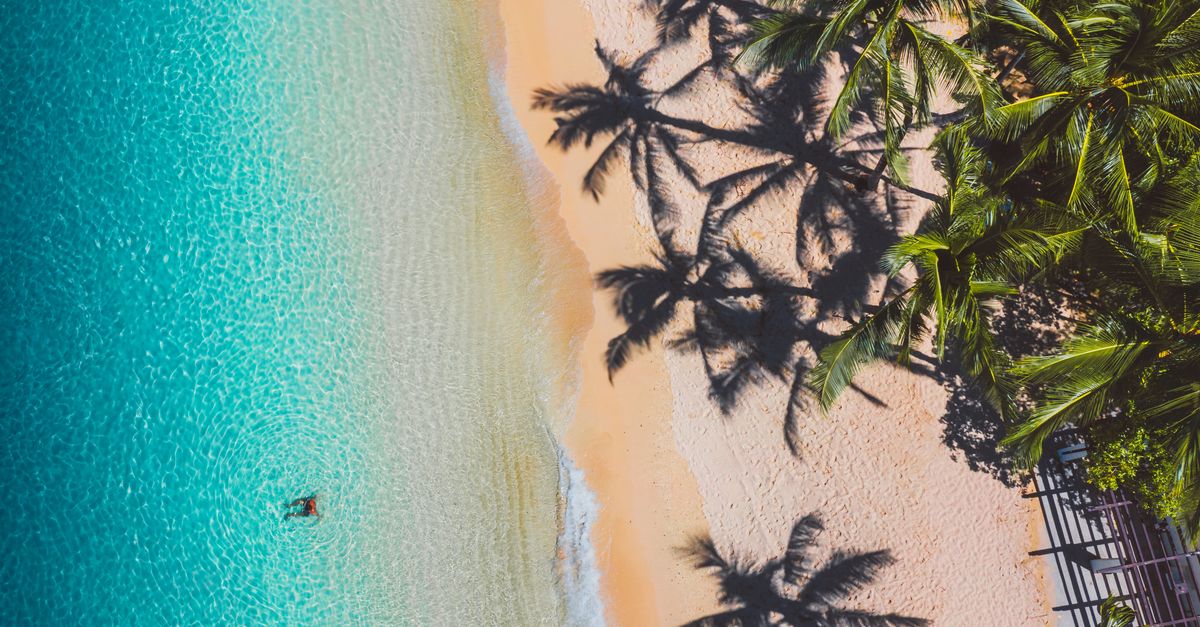
Photo · Josh Withers · Pexels
Fiji has two seasons and one scheduling problem, and the problem is the one worth planning around.
The dry season runs May to October, and June to September is the best of it. The cyclone season runs 1 November to 30 April, peaking January to March, which is precisely when the southern hemisphere school holidays fall.
Fijian dollar. Convert any figure on this page into your own currency at today's published rate.
Open the currency converter →The collision worth knowing about
Fiji's cyclone season is officially 1 November to 30 April, with peak activity from January to March.
The southern summer school holidays run from around mid-December into late January, and they are the one long window many families in Australia and New Zealand can actually travel in. In 2026 to 2027 they run roughly 11 to 19 December until between 26 January and 3 February, varying by state and territory.
Those two overlap almost exactly, and it is the single most useful thing to know before booking a Fiji family holiday.
What that does not mean: that a December or January trip will be hit. Most are not. Cyclones are infrequent events and Fiji handles them well.
What it does mean:
- Buy travel insurance that genuinely covers weather disruption, and read
what it says about cancellation versus delay.
- Prefer flexible or refundable bookings, especially for island resorts.
- Understand the transfer risk. If your resort is on an outer island, you
are dependent on a boat or a light aircraft, and those stop before the weather is bad enough to stop a flight into Nadi. That is the practical failure mode far more often than a cyclone is. Fiji's meteorological service publishes the seasonal cyclone outlook each year before the season opens, which is worth reading if your dates fall inside it.
The two seasons
Dry season, May to October. Lower humidity, cooler nights, far less rain, and temperatures around 19 to 29 degrees. June to September is the most dependable stretch. This is the peak season and the prices reflect it.
Wet season, November to April. Hotter, much more humid, heavier rain, usually in downpours rather than all-day drizzle. Substantially cheaper, greener, and carrying the cyclone risk above.
The sea is swimmable year round. Fiji's water temperature barely moves, which is why the season question is about air, rain and boats rather than about swimming.
The east-west split that decides where you stay
Viti Levu, the main island, has a wet windward east and a dry leeward west.
That is why the resorts are where they are. Nadi, the Coral Coast and the Mamanuca and Yasawa island groups sit on or off the western, drier side.
Suva, on the east, is one of the wettest capitals in the Pacific and gets rain in every month of the year. It is the country's real city and it is not where a beach holiday goes.
The practical consequence: even in the wet season, the western side gets meaningfully less rain than the national average suggests, which makes a shoulder-season trip to the Mamanucas a better bet than the headline figures imply.
Month by month
January to March. The peak of the cyclone season and the wettest, most humid stretch. Cheapest, greenest, and the highest chance of a disrupted transfer.
April. The wet season ending, cyclone season closing on the 30th. Improving and still cheap, and one of the better value months.
May. The dry season opens. Warm, drying out, quiet before the peak. Very good value.
June, July and August. The best weather of the year and the peak season. Cooler nights, low humidity, reliable sun. Also when the southern winter school holidays fall, so it is busy in July.
September and October. The other sweet spot. Still dry, warming up, and the crowds thinning after the winter holidays. October is arguably the best value month with the best weather.
November and December. The wet season returns and the cyclone season opens on 1 November. December fills with holiday travel regardless.
Visa-free · 120 days, on all five passports we check.
Short tourist stays only. Checked 21 Aug 2026; rules change without notice and the government page is the source of truth.
Check your own passport →Checked 21 Aug 2026.
Everything we check for Fiji →Picking a month for a specific trip
A first visit, any budget: July or August for reliability, September or October for the same weather with fewer people.
Diving and snorkelling: the dry season for visibility, and the water is warm all year. Manta ray season in the Yasawas runs roughly May to October.
Surfing: the southern hemisphere winter, roughly April to October, when the swell is most consistent.
On a budget: May, or late October and early November, on the shoulders of the dry season.
With children: the dry season if you can, and see the collision section above if you cannot. Fiji with kids has the resort and age-band detail.
A wedding or something weather-critical: June to September only, and do not be talked into a shoulder date to save money.
What to skip
Booking an outer-island resort in the wet season without flexible terms. The transfer is the risk, not the rain.
Assuming the school holidays and the good weather line up. They do not.
Suva, for a beach holiday. It is the capital and one of the wettest in the Pacific.
Judging the wet season by the national rainfall average. The western side, where you will be staying, is drier than that number.
Travel insurance that excludes weather disruption, on any wet-season trip.
A tight connection onto a light aircraft transfer on a wet-season afternoon.
Before you book
Fiji with kids is the family version with the resorts and the age bands, and where to travel in January has where Fiji sits against the alternatives in the southern summer. The best time to visit New Zealand and the South Island road trip are Elise's other Pacific guides, and day trips from Melbourne covers the departure end. Bali or Thailand is the comparison a lot of the same travellers make for the alternative winter escape.
The Nadi city guide, the Suva city guide and the Fiji country guide carry the practicalities, and there is more in the when to go hub.
Seasonal dates and school holiday windows checked September 2026. The cyclone season outlook is published annually before 1 November and school term dates vary by state and territory, so Tourism Fiji's own seasonal pages and your own education department are better sources for your dates than any guide, this one included. Here is how we research and re-check guides.