The best time to visit Croatia, and the boat that decides it for you
The best time to visit Croatia by month, with the coastal catamaran season that runs April to October and the park pricing that quadruples in summer.
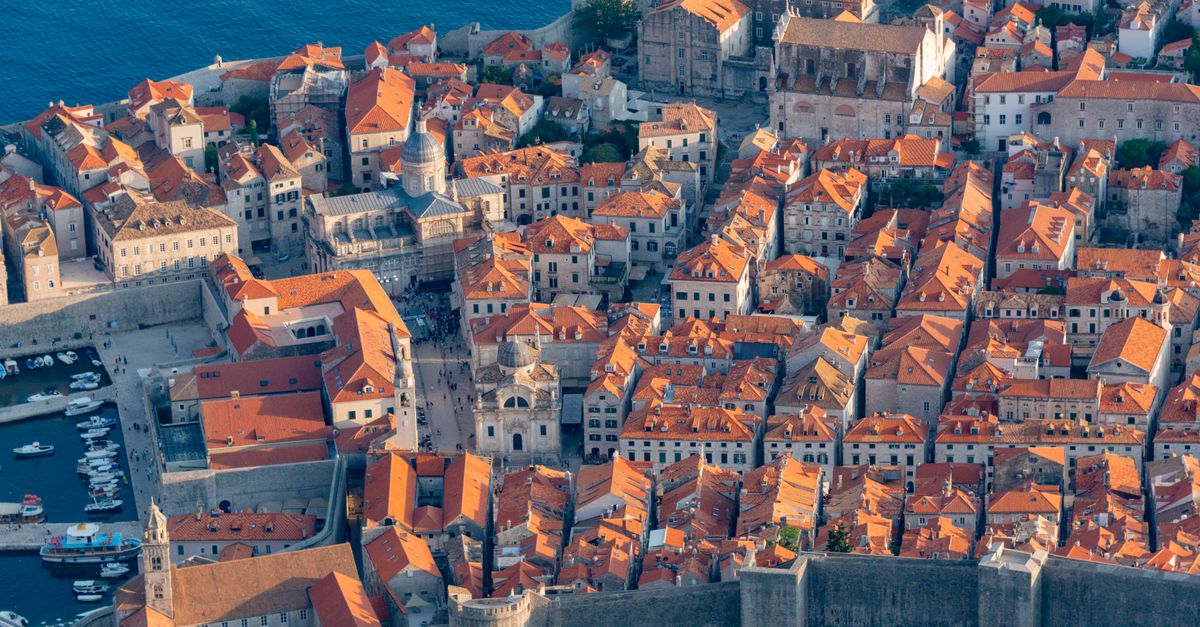
Photo · Saksham Vikram · Pexels
Croatia's answer is set less by temperature than by timetable. The fast catamarans along the Dalmatian coast run roughly April to October, and outside that window the country you can actually travel around is a different one.
September is the best month, then June, then late May. July and August are hot, extremely full and the most expensive of the year.
Euro. Convert any figure on this page into your own currency at today's published rate.
Open the currency converter →The ferry season, which shapes everything
The coastal fast catamarans, including Split to Dubrovnik, are seasonal, and generally run from about April to October, with up to three crossings a day in the peak.
Outside those months there is no boat at all on that route, and the island services drop to a reduced local timetable built for residents rather than visitors.
Two consequences:
An island-hopping trip is an April-to-October trip. In February you can visit Hvar; you cannot island-hop.
If you hire a car, the catamaran is not an option anyway. These are passenger-only fast craft with no car deck, which catches out people who have booked both.
The road alternative, Split to Dubrovnik, is about 230 km and two and a half to four hours, longer in high summer. Since the Pelješac Bridge opened in July 2022 the route stays inside Croatia the whole way, with no Bosnian border crossing at Neum. A lot of older advice still budgets an hour for that border. Croatia in 7 days has the full comparison.
Month by month
January and February. Cold and often wet on the coast, properly cold inland. The cheapest of the year. Zagreb's Advent market runs into early January and is one of the best in Europe. The islands are effectively shut.
March. Improving, unpredictable. Plitvice is still on winter pricing and almost empty, and it is spectacular with meltwater running.
April. The ferries start. The coast wakes up. Warm enough for walking, too cold for swimming. Prices are still low and Dubrovnik's walls are pleasant rather than punishing.
May. Excellent. Everything opening, wildflowers inland, sea still cold at the start and swimmable by the end for the brave. Late May is one of the three best windows.
June. Warm, long days, sea warming up, full timetables, and the crowds not yet at their worst. The best month if you want heat without August.
July and August. The peak in every respect: hottest, busiest, dearest, and the sea at its warmest. Dubrovnik's old town in August is genuinely crowded, and Plitvice's boardwalks are single file. Book everything.
September. The best month. The Adriatic holds its heat, so the sea is at its warmest early in the month. The crowds thin from about the second week, prices fall, ferries still run full timetables, and the light is better than in August.
October. Still good in the first half, and the ferries wind down towards the end. Excellent for the cities and Plitvice in autumn colour.
November and December. The coast closes. Zagreb's Advent is the reason to come, and it is a very good one.
What the season does to the prices
Plitvice is the clearest example, and the swing is large:
| Season | Adult entry |
|---|---|
| November to March | about €10 |
| April, May, October | about €23.50 |
| June to September | about €40 |
Entry is timed and capped at roughly 300 people an hour per entrance in summer, and the early morning slots go days to weeks ahead. The national park sells its own tickets and publishes the caps, and it is the only place the early slots are actually released.
Take the first slot of the day in any season. The boardwalks are single file in places and a mid-morning August ticket means walking at the pace of the person in front of you for four hours.
The sojourn tax is charged per person per night, set locally and seasonally, and typically runs €1 to €3, with under-12s exempt and 12 to 18 year olds paying half. It falls to its lower band out of season, which compounds with the room rates.
Two currency and border facts that date older guides
Croatia uses the euro, and has since 1 January 2023. Anything quoting kuna is at least three years old and there is still a lot of it about.
Croatia is in the Schengen area, from the same date. That means your 90 days in any 180 is now shared with the rest of Schengen rather than counted separately, which matters on a longer European summer that also takes in Italy, Slovenia or Austria. {{visa}} answers it for your own passport rather than guessing.
Checked 21 Aug 2026.
Everything we check for Croatia →Picking a month for a specific trip
Island hopping: June or September. Not outside April to October at all.
Dubrovnik: May, June, September or October. Not August, and check the cruise schedule for your dates whichever month you pick, because the old town's density is set by ship calls more than by the season.
Plitvice and the interior: May, June, September or October for the balance of weather and price. March for the meltwater and the emptiness, at a quarter of the summer ticket.
Zagreb and the cities: any month. December for the Advent market.
Swimming: July, August and the first half of September, and September has the warmest water.
Sailing: May, June and September, when the winds are workable and the marinas are not full.
What to skip
Booking a Croatian island trip between November and March. The boats are not running.
Hiring a car and buying a catamaran ticket. No car deck.
Plitvice mid-morning in July or August.
Dubrovnik's city walls after ten in the morning in summer. Two kilometres of unshaded stone, single file.
Assuming the whole coast follows one calendar. Istria in the north opens and closes earlier than Dalmatia in the south.
Budgeting from a guide that quotes kuna.
Before you book
Croatia in 7 days is the route these months apply to, with the ferry-versus-road table. Underrated European cities has where Zagreb and the interior sit against the rest of the continent, and Prague or Budapest and three days in Budapest are Josefin's other Central European guides. The best time to visit Greece is the same question in the next sea along, and Greece in 7 days is its route.
The Split city guide, the Dubrovnik city guide and the Croatia country guide carry the practicalities, and there is more in the when to go hub.
Prices and ferry seasons checked September 2026. Catamaran timetables are published seasonally by the operators and park pricing is set by the park, so the Croatian national tourist board and a live ferry schedule are better sources for your dates than any guide, this one included. Here is how we research and re-check guides.