Three days in Budapest, and the bath that is shut until 2028
Three days across Buda and Pest with real bath prices, the weekday discount nobody mentions, and the famous spa that closed for renovation until 2028.
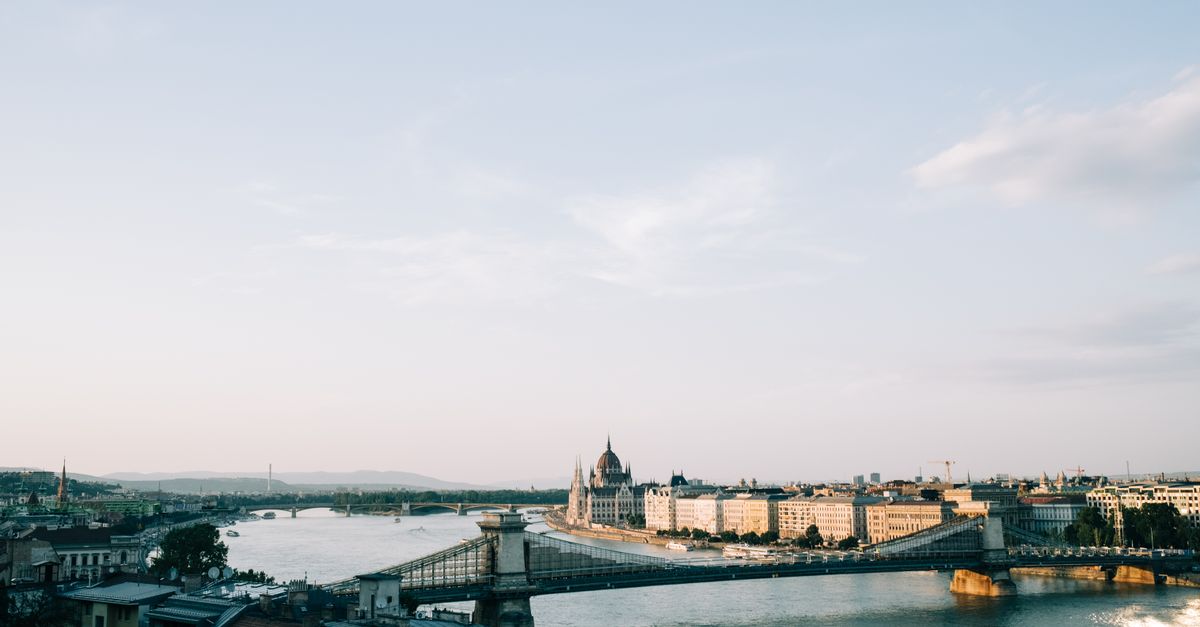
Photo · Ch Jawad · Pexels
Three days in Budapest is one day in Pest, one in Buda, one for a bath and a neighbourhood. The Danube splits the city into a flat commercial half and a hilly historic one, and the pattern of a good trip follows that split rather than fighting it.
One thing to fix before you plan, because it appears on almost every published Budapest itinerary and it is no longer true: the Gellért Baths are closed.
Hungarian forint. Convert any figure on this page into your own currency at today's published rate.
Open the currency converter →Which bath, and what it costs
The Gellért is shut for a full renovation and is not expected to reopen before 2028. It is the art nouveau one with the tiled indoor hall, it is on every list, and you cannot go.
What is open, and what it costs, checked September 2026:
| Mon–Thu | Fri–Sun | |
|---|---|---|
| Széchenyi, standard entry, all pools, saunas, locker | HUF 13,200 | HUF 14,800 |
| Széchenyi, premium with towel, robe and slippers | HUF 29,000 | HUF 36,000 |
The city bath operator sells all of them directly, which is cheaper than the resellers and is where the current opening hours live.
Go on a weekday. The gap between Tuesday and Saturday is HUF 1,600 on the standard ticket, and the difference in how full the place is, which does not appear on any price list, is much larger than the difference in price. Holidays and peak dates cost more again.
Széchenyi is the big yellow neo-baroque one in the City Park: outdoor pools that steam in winter, old men playing chess in the water, and a very large number of other visitors.
Rudas is the one we would pick. It is Ottoman, it has an original sixteenth century octagonal pool under a domed roof, and it has a rooftop tub looking straight down the Danube. It also has single-sex days on parts of the week, so check before you go rather than at the door.
Day 1: Pest
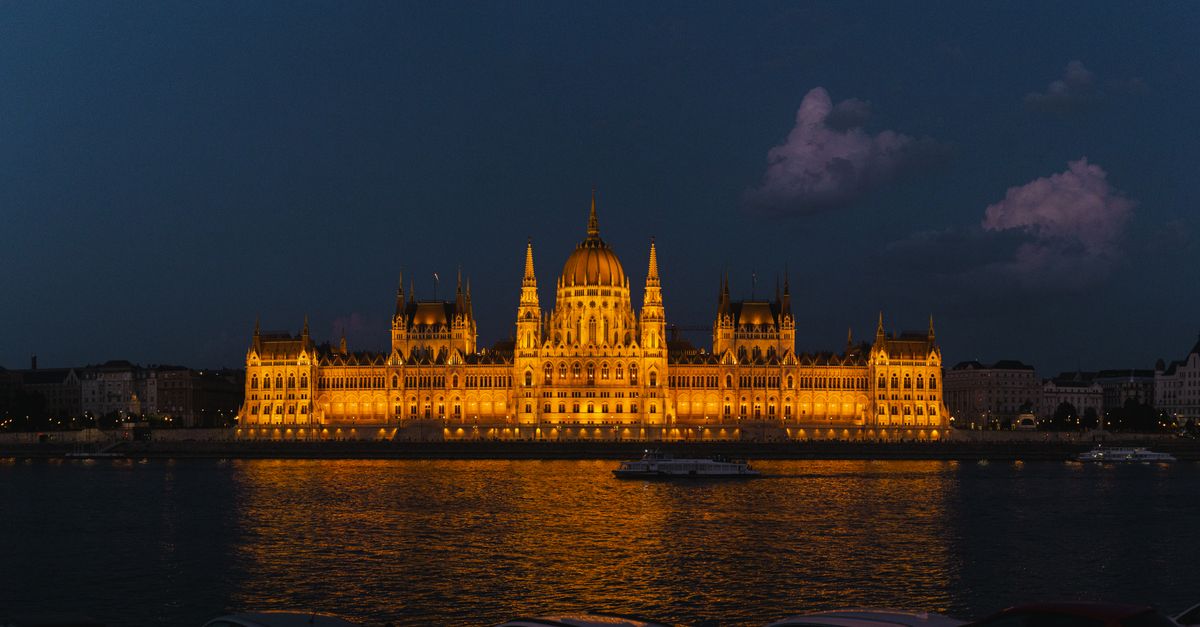
Morning: the Parliament. It is the third largest parliament building in the world and the interior tour is genuinely worth it, and it is booked ahead with a timed slot. From outside, the view is from the Buda side, which is day 2.
Late morning: the Danube promenade south, past the Shoes on the Danube Bank, which is a memorial to Jews shot into the river in 1944 and 1945, and which takes two minutes and deserves ten.
Afternoon: St Stephen's Basilica and the streets around it, then Andrássy út, the grand boulevard, walked or ridden on the M1, which is the oldest underground line in continental Europe and is a small yellow train in a shallow tunnel.
Late afternoon: Heroes' Square and the City Park at the top of Andrássy, which is also where Széchenyi is.
Evening: District VII, the old Jewish quarter, for dinner and the ruin bars. Szimpla Kert at six, before the crowd, and then anywhere else.
Day 2: Buda
Morning: Castle Hill. Take the funicular up from Clark Ádám tér if the queue is short and walk up the path beside it if it is not, because it is ten minutes and the funicular is often twenty-five of queueing.
Up top: the Fisherman's Bastion, which is the view everyone photographs and which is free except for the upper towers, Matthias Church, and the castle itself. The Hungarian National Gallery is inside it and is the best art in the country.
Afternoon: Gellért Hill. Walk up to the Citadella and the Liberty Statue for the best view in Budapest, which is a proper climb of about half an hour from the river.
Late afternoon: Rudas, at the bottom of Gellért Hill, which is exactly where you want a thermal bath after that walk.
Evening: cross back over the Chain Bridge at dusk, with the Parliament lit on the far bank. It is the single best free thing in the city.
Day 3: the bath, the market and a neighbourhood
Morning: Széchenyi, on a weekday, before eleven.
Midday: the Great Market Hall at the Pest end of the Liberty Bridge. The ground floor is produce and paprika and is where people shop; the upper floor is lángos and souvenirs and is where visitors go. Eat downstairs.
Afternoon, pick one:
- The House of Terror on Andrássy, which covers the fascist and communist
regimes in the building both used, and which is a heavy two hours.
- Memento Park, on the edge of the city, where the communist statues were
moved rather than destroyed.
- Margaret Island, in the middle of the Danube, which is a park with a
running track around it and is where Budapest goes on a Sunday.
Evening: District VIII or the Palace Quarter, which is where the city has been quietly getting more interesting and where the prices have not yet caught up with District VII.
We have not checked Hungary against the five passports yet. The tool reads the Wikipedia article for yours and shows its own sentence, with the date it was last edited.
Short tourist stays only. Checked 21 Aug 2026; rules change without notice and the government page is the source of truth.
Check your own passport →Checked 21 Aug 2026.
Everything we check for Hungary →If you have a fourth day
The Danube Bend, north of the city, where the river turns. Szentendre is 40 minutes by suburban rail and is a small baroque riverside town, and Esztergom and Visegrád are further up the same river.
Not another Budapest museum. Three days is the city's right length and a fourth is better spent on the water.
What to skip
The Gellért Baths. Closed. See above.
Szimpla Kert after ten. It is a stag-party stop by then and the queue is outside.
A Danube dinner cruise as the big spend. The Chain Bridge at dusk on foot is better and free, and the public boat services on the Danube run on the ordinary transport ticket.
Changing money anywhere with a sign saying zero commission. Use an ATM attached to a bank, and refuse the machine's offer to convert for you.
The funicular queue. Ten minute walk, right beside it.
Assuming Budapest is Prague. They get compared constantly and they are not alike: Prague is prettier and more compact, Budapest is bigger, grander and better to eat in. Prague or Budapest argues it out.
Before you book
Where to stay in Budapest is the neighbourhood breakdown, Prague or Budapest is the comparison, and Prague in 2 days is the itinerary two and a half hours up the line. Where to stay in Vienna covers the third city of that triangle, which is under three hours away, Croatia in 7 days is Josefin's other route south, and underrated European cities has where Budapest sits against the rest of the continent.
The Budapest city guide and the Hungary country guide carry the practicalities, and there is more in the itineraries hub. When you are ready, Budapest rooms are here and the bookable half is here.
Bath prices and closures checked September 2026. Gellért's reopening date has already moved once, and the Hungarian tourism office and the bath operator's own site are the places to check what is open rather than any guide, this one included. Here is how we research and re-check guides.