Where to stay in Vienna, and the tax that is scheduled to rise twice
Vienna's accommodation tax went to 5% in July 2026 and is scheduled to reach 8% in 2027. The districts, the Ring that organises them, and where the value is.
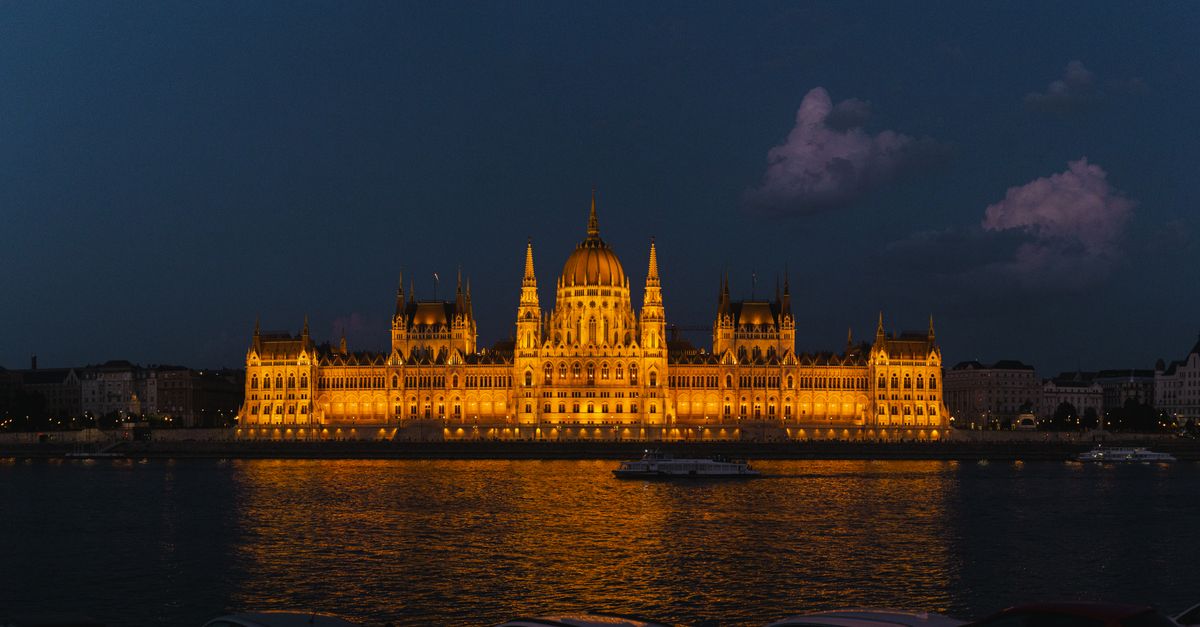
Photo · Zoran Cindrić · Pexels
Vienna is organised by a single line, and once you see it the accommodation question mostly answers itself.
The Ringstrasse is a boulevard laid on the footprint of the old city walls. Inside it is the 1st district: the opera, the Hofburg, St Stephen's, and the highest prices in Austria. Outside it, in a ring of numbered districts, is where Vienna actually lives, and the good ones are a ten-minute walk from the middle.
There is also a tax on a schedule, which is unusual and worth planning around.
Euro. Convert any figure on this page into your own currency at today's published rate.
Open the currency converter →The tax, and the two rises already booked
Vienna's Ortstaxe is charged as a percentage of the room price, and it is climbing on a published timetable.
| From | Rate |
|---|---|
| Until 30 June 2026 | about 3.2% |
| 1 July 2026 | 5% |
| 1 July 2027 | 8% |
We are past the first step, so 5% is the rate now, and the second step is on the calendar.
Two things follow. It is a percentage, so like Amsterdam's it scales with the room rather than punishing long stays the way a flat nightly fee does. And Vienna is the only city we cover with two further rises already scheduled, which means a trip planned for summer 2027 should budget 8% rather than the rate you will see quoted on most pages.
For context: Amsterdam charges 12.5%, Berlin 7.5%, Budapest 4%, Prague a flat 50 CZK a night, and London and Madrid nothing at all.
The Ring, and how the districts work
Vienna's districts are numbered in a spiral. The 1st is inside the Ring. The 2nd to 9th form the ring immediately around it, and those are the ones a visitor cares about. Everything from the 10th outward is progressively further and cheaper.
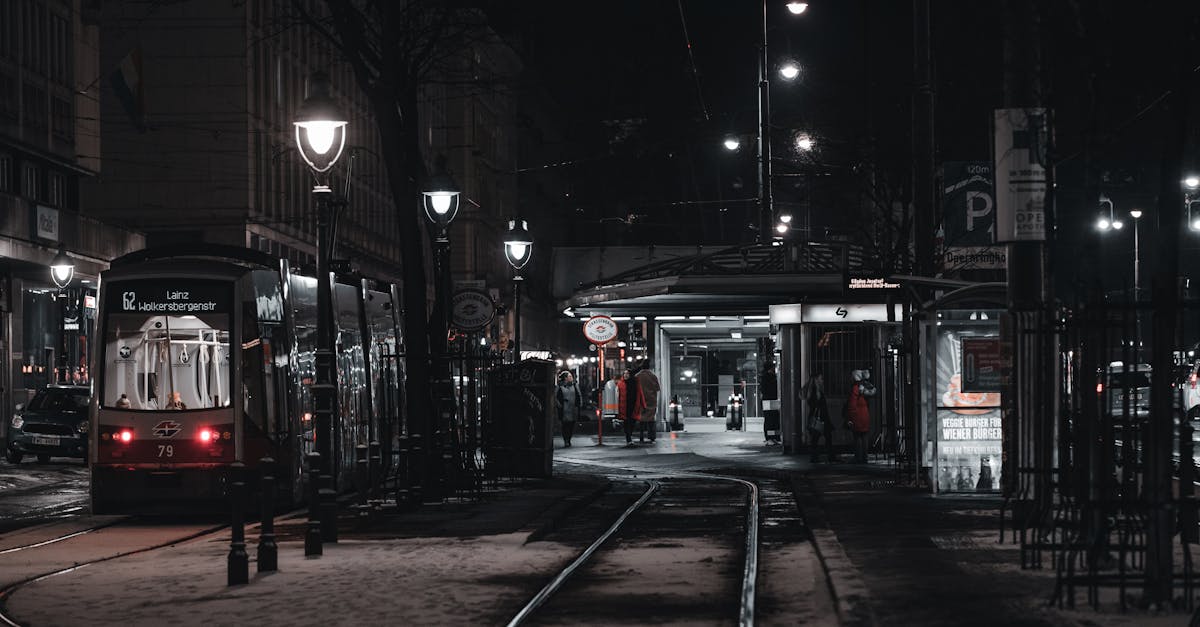
The useful mental model: the 1st is the museum, the 6th and 7th are the neighbourhood, and the 2nd is the one that is changing. The U-Bahn is excellent and the trams around the Ring are themselves worth a ride, so nothing in the inner districts is more than about fifteen minutes from anything else.
The districts
The 7th, Neubau, and this is the answer
Just outside the Ring, with the MuseumsQuartier on one edge and Mariahilfer Strasse on the other. Independent shops on Neubaugasse, the best concentration of small restaurants and cafés in the city, and a ten-minute walk or two U-Bahn stops into the centre.
What it costs: budget hotels €60 to €120, which is the best price-to-character ratio in Vienna.
The catch: it is a shopping and going-out district, so the streets around Mariahilfer Strasse are busy.
The 6th, Mariahilf, its slightly cheaper neighbour
The same argument with a little less polish and a little more Naschmarkt, the long market street that is Vienna's best place to eat cheaply and its worst place to be overcharged, depending entirely on which end you are at.
The 1st, Innere Stadt, for a short first visit
Everything inside the Ring is walkable: St Stephen's, the Hofburg, the State Opera, the Albertina, the coffee houses that Vienna built its reputation on.
What it costs: the most expensive address in the country, with the average around €263 and properties near Stephansplatz running roughly 22% below that district average, which is a useful thing to know if you are set on the 1st.
Worth it if the trip is two or three nights and walking out of the door into the imperial city is the point. Not worth it on a longer stay, where the 6th or 7th gives you the same city for about half.
The 2nd, Leopoldstadt, for the repeat visit
Across the Danube canal, one U-Bahn stop from the middle, with the Prater, the Karmelitermarkt, an increasingly good café and gallery scene, and prices below the inner districts.
This is where Vienna is changing, and it is the answer for anyone who has already done the Ring.
The 8th and 9th, Josefstadt and Alsergrund
Quiet, handsome, residential and close in. The 8th is the smallest district in Vienna and one of the prettiest, and the 9th has the university and the hospital, which means it is lively in a student way rather than a tourist way.
Best for: families, and anyone who wants to sleep.
What it costs, roughly
Hostels €30 to €50. Mid-range hotels €90 to €130. Luxury €250 to €500 and up. Add the Ortstaxe at 5% on top of whichever you pick.
Vienna is cheaper than its reputation, and the reputation comes from the 1st district, which is genuinely expensive and is the only part most visitors ever price.
Where not to stay
Around Westbahnhof or Praterstern purely for the transport. Both are well connected and neither is somewhere you want to walk back to at eleven at night.
The 10th, 11th or anything further out on a short trip. Vienna's U-Bahn is good enough that the saving is real, and the city is small enough that the inner districts already are the value option.
Anywhere booked for summer 2027 at the 5% tax rate. It will be 8%.
An apartment without checking the Meldezettel arrangements. Austria has registration requirements for stays and a licensed property handles it; an unlicensed one may not.
When to go
April, May, September and October are the best months, with the caveat that Vienna's shoulder is busy.
December is the Christmas market season and the city does it better than almost anywhere, which is reflected in the rates from late November.
January and February are cold, cheap and the best time for the thing Vienna is actually for, which is sitting in a coffee house for three hours with a newspaper and one melange.
July and August are hot and the Viennese leave, which makes it quieter than the shoulder in some ways and emptier of the city's own life.
The paperwork
Short tourist stays only. Checked 21 Aug 2026; rules change without notice and the government page is the source of truth.
Check your own passport →Checked 21 Aug 2026.
Everything we check for Austria →Before you book
Prague or Budapest makes the case for putting Vienna between them, because the two are six to seven hours apart by train and Vienna sits halfway, which turns a lost day into two short journeys. Where to stay in Prague and where to stay in Budapest are the two ends of that route, and their tax systems are completely different from Vienna's, which is worth comparing before you decide where to spend the extra night. The Vienna city guide and the Austria country guide have the practicalities, and underrated European cities has the alternatives if central Europe's capitals feel too well trodden. More in the where to stay hub. Ready to look at rooms? Vienna stays are here, and the things to do shelf has the bookable half.
Tax rates and room bands checked September 2026. The Ortstaxe rose to 5% on 1 July 2026 and the city publishes the schedule, including the further rise to 8% on 1 July 2027, so a 2027 booking should be budgeted at the higher rate rather than the one most pages currently quote. Here is how we research and re-check guides.