Where to stay in Prague, and why the castle is on the wrong side
Prague's castle is across the river from everything else, and Old Town Square is the most inflated address in central Europe. The areas, and the flat fee.
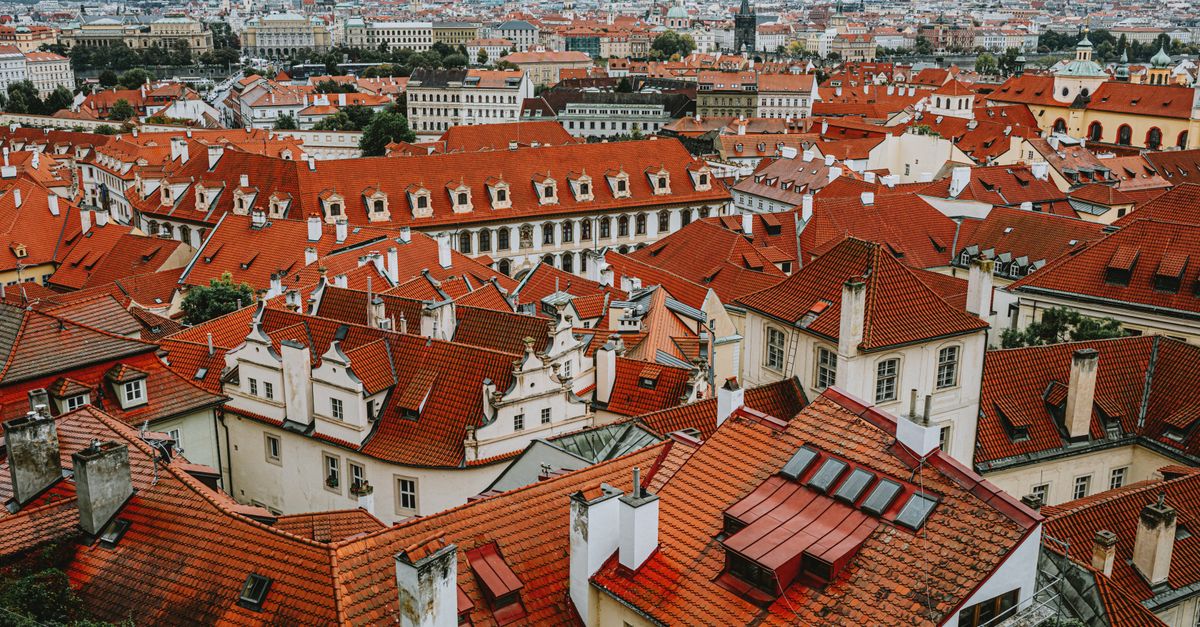
Photo · Helena Jankovičová Kováčová · Pexels
Prague's geography has one feature that decides where you should sleep, and almost every guide buries it under a list of hotels.
The castle is on the other side of the river from everything else.
Hradčany and the castle sit high on the western bank. The Old Town, the Jewish Quarter, Wenceslas Square, the New Town and every neighbourhood you would actually eat in are on the eastern one. Charles Bridge is the connection, and between about ten in the morning and six in the evening it is a slow-moving crowd.
So the real question is not how close you are to the castle. It is which side of the river you are on, and how far from Old Town Square you are willing to be.
Czech koruna. Convert any figure on this page into your own currency at today's published rate.
Open the currency converter →The fee, which is refreshingly simple
Prague charges 50 CZK per person per night, flat, for stays of up to 60 nights.
That is one of the gentlest accommodation charges in Europe and, more usefully, it is a fixed fee rather than a percentage. Amsterdam takes 12.5% of the room price, Berlin 7.5%, Vienna 5% and rising. Prague takes 50 crowns whether you are in a hostel or a five-star.
The trade-off in a flat fee is that it punishes long stays rather than expensive ones. Two weeks in Prague costs the same in tax as two weeks in a suite, which is the opposite of the Amsterdam problem.
Prague 1 has proposed raising it substantially, with a national decision expected during 2026, so it may not stay at 50.
The areas
Vinohrady, and this is the answer
A handsome late-nineteenth-century residential district east of the New Town, ten minutes from the centre on the metro and about twenty on foot. Wide streets, Art Nouveau apartment blocks, parks, and the best concentration of restaurants and bars in the city that are not aimed at visitors.
This is where Prague eats, and it is the single biggest quality-of-life difference available in a Prague booking.
The catch: you are commuting into the sights rather than opening the door onto them, which on a two-night trip may be the wrong trade.
Karlín, for the second visit
North-east of the centre along the river, rebuilt after the 2002 floods and now the city's most interesting food and design district. Excellent metro connections, riverside cycling, and prices below Vinohrady.
Best for: repeat visitors and anyone who would rather be somewhere becoming than somewhere finished.
The Old Town, Staré Město, for a short first visit
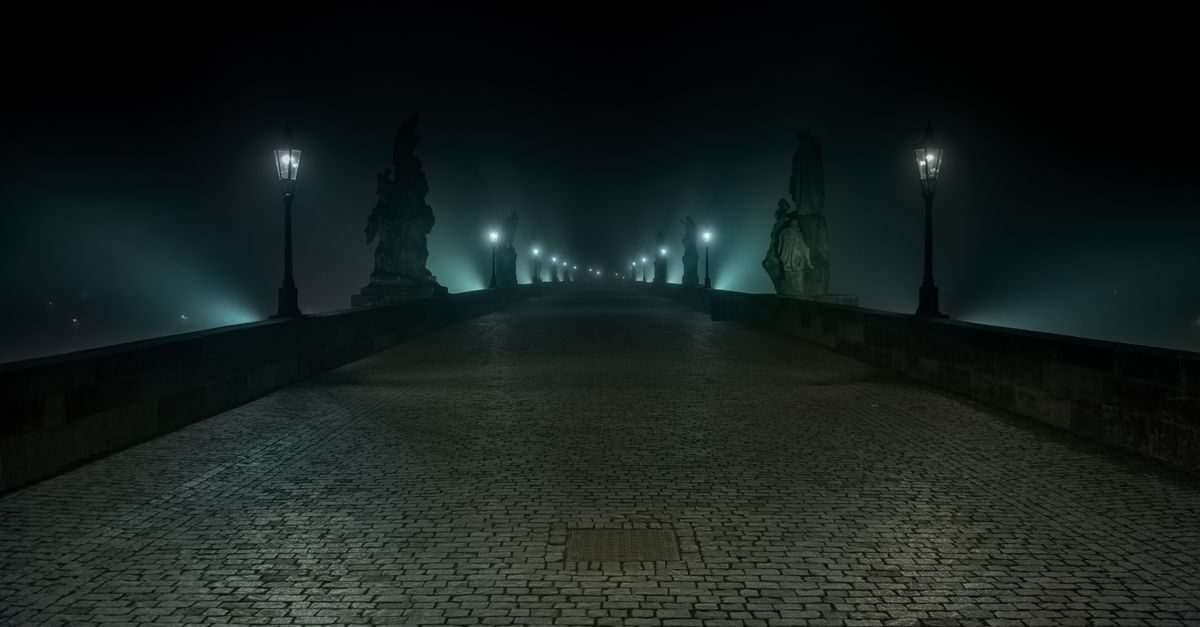
You are in it. Old Town Square, the Astronomical Clock, the Jewish Quarter and Charles Bridge are all within a few minutes on foot, and the early-morning walk across the bridge before seven, which is the single best move in a Prague itinerary, starts at your door.
The catch, stated plainly: it is the most inflated address in central Europe. Rooms cost a multiple of Vinohrady's, the restaurants ringing the square are the worst value in the country, and it is noisy until late.
Worth it for two nights if walking out into that is the point of the trip. Not worth it for a week.
Malá Strana, for the evening
The Lesser Town, on the western bank below the castle: baroque palaces, gardens, the Wallenstein garden, Kampa island and the John Lennon Wall. It is the prettiest part of Prague at street level and most visitors rush through it on the way up to the castle.
Best for: couples, and anyone who wants the quiet version of the historic centre. It empties beautifully in the evening once the day crowds cross back.
The catch: you are on the castle side, so most days involve crossing the river.
Hradčany, for quiet
The castle district itself. Genuinely peaceful, genuinely inconvenient, and after the castle closes at night you have the whole hill to yourself, which is a real thing to have.
Best for: a second visit, or one night at the end of a trip.
The New Town, Nové Město, for value near the middle
Around Wenceslas Square and south of it. Less charming than the Old Town, much better value, and every metro line runs through it. The area around Karlovo náměstí is the sweet spot.
The transport, and one thing worth knowing
| Ticket | Paper | App |
|---|---|---|
| 30 minutes | 39 CZK | 36 CZK |
| 90 minutes | 50 CZK | 46 CZK |
| 24 hours | 150 CZK | 140 CZK |
| 72 hours | 350 CZK | 340 CZK |
Children under six travel free, and six to fifteen year olds pay half.
For a two- or three-day stay in a centre this compact you will probably buy three or four 90-minute tickets and never need a pass, which argues for a central-ish base rather than a cheap one far out.
One thing that catches people who assume it is running: the Petřín funicular has been out of service since September 2024 for slope stabilisation and a full track reconstruction. Prague City Tourism expected operations to resume in summer 2026, so check on the day, and if it is still down the walk up from Újezd takes twenty to twenty-five minutes. Prague City Tourism publishes the current status.
Where not to stay
Directly on Old Town Square unless you have read the paragraph above and decided anyway.
Anywhere marketed on being near the Astronomical Clock. It is a forty-five-second show on the hour and you do not need to be able to hear it at two in the morning.
Wenceslas Square's lower end, which has the city's worst concentration of strip clubs and exchange booths.
Anywhere requiring a currency exchange booth advertising "0% commission". Not a neighbourhood, a warning: they work by giving you a terrible rate rather than charging a commission. Use a bank's ATM and decline the machine's offer to convert.
Žižkov purely on price if you want to sleep. It has the best pub density in Prague and the noise that follows from that, which is either the reason to go or the reason not to.
When to go
May, June, September and early October are the best months.
December is Christmas market season, and Prague's are among the best in Europe, with the rates to match from late November.
January and February are cold, cheap and beautiful, and the Old Town in snow without the crowds is the version of Prague worth waiting for.
July and August are hot, crowded and the peak of the stag traffic.
The paperwork
Short tourist stays only. Checked 21 Aug 2026; rules change without notice and the government page is the source of truth.
Check your own passport →Checked 21 Aug 2026.
Everything we check for Czechia →Before you book
Two days in Prague is the route, and it is built around two specific hours: the half-price first hour at the Old Town Hall and the walk across Charles Bridge before seven. Prague or Budapest settles the choice between the two and makes the case for Vienna in the middle, and where to stay in Budapest and where to stay in Vienna complete the route, with three completely different tax systems between them. The Prague city guide and the Czech Republic country guide have the practicalities, and there is more in the where to stay hub. Ready to look at rooms? Prague stays are here, and the things to do shelf has the bookable half.
Fares, the accommodation fee and the funicular status checked September 2026. The city transit company publishes the current fares, and Prague 1's proposal to raise the accommodation fee was still awaiting a national decision when this was written. Here is how we research and re-check guides.