When to see the northern lights, and why everyone watches the wrong number
When to see the northern lights in 2026 and 2027, with the season, the hours, the five-night odds and why cloud cover beats the Kp index every time.
Photo · Oliver Schröder · Pexels
Almost everyone plans an aurora trip around the wrong variable.
They watch the Kp index. They should watch the cloud. Inside the auroral zone the sun is usually doing enough; what stops you seeing it is a sky with weather in it.
Everything below follows from that.
Icelandic króna. Convert any figure on this page into your own currency at today's published rate.
Open the currency converter →The season, the hours, and the years
The 2026 to 2027 season runs from about late September 2026 to late March or early April 2027.
Within it, the strongest windows are September to October and February to March. Those are the months either side of the equinoxes, and they combine genuinely dark skies with milder weather and roads you can actually drive at midnight.
On any given night, the best hours are roughly 10pm to 2am local time.
And on the years: we are still inside the elevated activity window that followed the solar maximum in October 2024, so this season and next should both be strong, with activity declining from 2027 onward toward the cycle minimum in the early 2030s.
If an aurora trip is on your list, the next two winters are a better bet than the several after them. That is not a sales line; it is where the eleven-year solar cycle currently sits.
The Kp mistake
Kp is a global index of geomagnetic activity on a scale of 0 to 9. A high Kp means the auroral oval has expanded southward, which matters enormously if you are in Scotland or Michigan.
If you are already inside the auroral zone, it matters far less. Tromsø, Abisko, Rovaniemi, Yellowknife, Fairbanks and northern Iceland sit under the oval most nights. Kp 2 to 3 is often enough for a good display from any of them.
So what actually decides your night is cloud.
The practical version:
- Check the cloud forecast, not the Kp forecast, and check it hourly rather
than daily. The space weather prediction centre publishes the aurora forecast and a local meteorological service publishes the cloud, and the second one is the one that decides your night.
- Be prepared to drive. A good aurora night is often one where you moved
forty minutes to get under a hole in the cloud. This is most of what a tour is actually selling.
- Get away from town light. A city glow will wash out a weak display
entirely.
- Give your eyes twenty minutes. A faint aurora looks grey to an unadapted
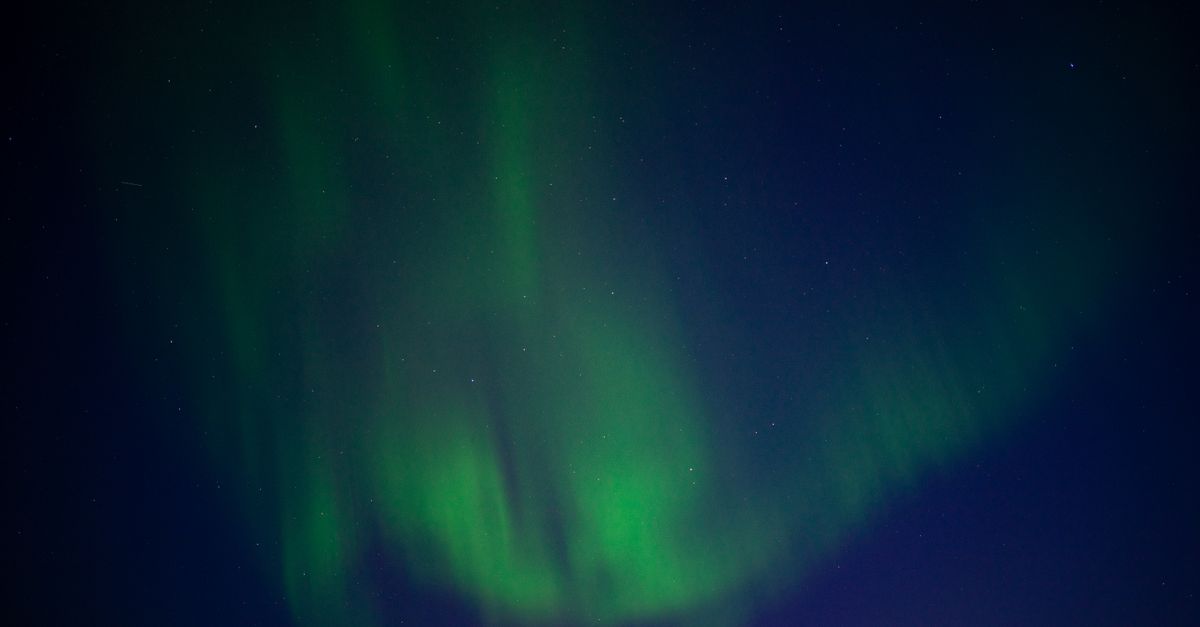
eye and green to an adapted one, and it looks far greener in a photograph than it does in life, which is worth knowing before you are disappointed.
The five-night rule
Book five nights if the aurora is the reason for the trip.
On average weather and average solar activity, a five-night trip gives roughly a 70 to 80 per cent chance of at least one sighting from Tromsø, Abisko or Yellowknife.
Two nights is a coin flip. Three nights that loses two to a weather front has nothing left. The distribution of clear nights in the Arctic winter is lumpy: you get a run of cloud, then a run of clear.
This is the single most useful planning decision on this page, and it is worth more than the choice of country.
Where, ranked by the thing that matters
Abisko, Swedish Lapland
The statistical winner, and on cloud rather than on latitude.
Abisko sits in a rain shadow that produces a local microclimate, often called the blue hole, and it has the highest number of clear nights of any major aurora destination. On nights when Tromsø, Rovaniemi and Yellowknife are all under thick cloud, Abisko is the one most likely to be looking at clear sky.
It is small, it is reached by train or by a long drive from Kiruna, and there is not a great deal else to do. That is the trade: the best odds, the least city.
Tromsø, Norway
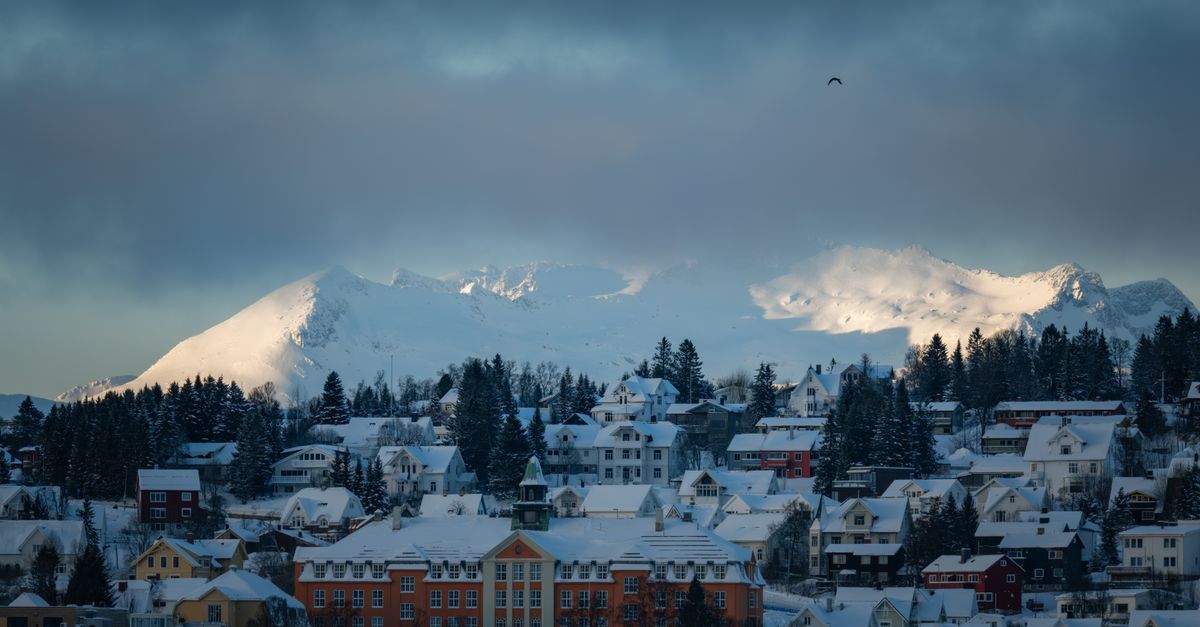
The best all-round base. A real city with restaurants, museums and an airport, sitting well inside the auroral zone, with a large and competitive tour industry that will drive you inland or into Finland to find clear sky.
Coastal, so cloudier than Abisko, and the tour infrastructure exists precisely because of that.
Rovaniemi, Finland
The family answer. Lapland's tourist capital, with the reindeer, the huskies and the Christmas industry, and glass igloos that let you watch from a bed.
Lower odds than Abisko and far more to do if the sky is closed for three days, which with children matters more than the statistics.
Yellowknife, Canada
Very high activity, very cold, very clear. Subarctic continental climate means dry air and a lot of clear nights, and temperatures that are a different category from coastal Norway.
Iceland
The one you combine with something else. Iceland's odds are lower than Abisko's because it is an island in the North Atlantic and the weather moves fast.
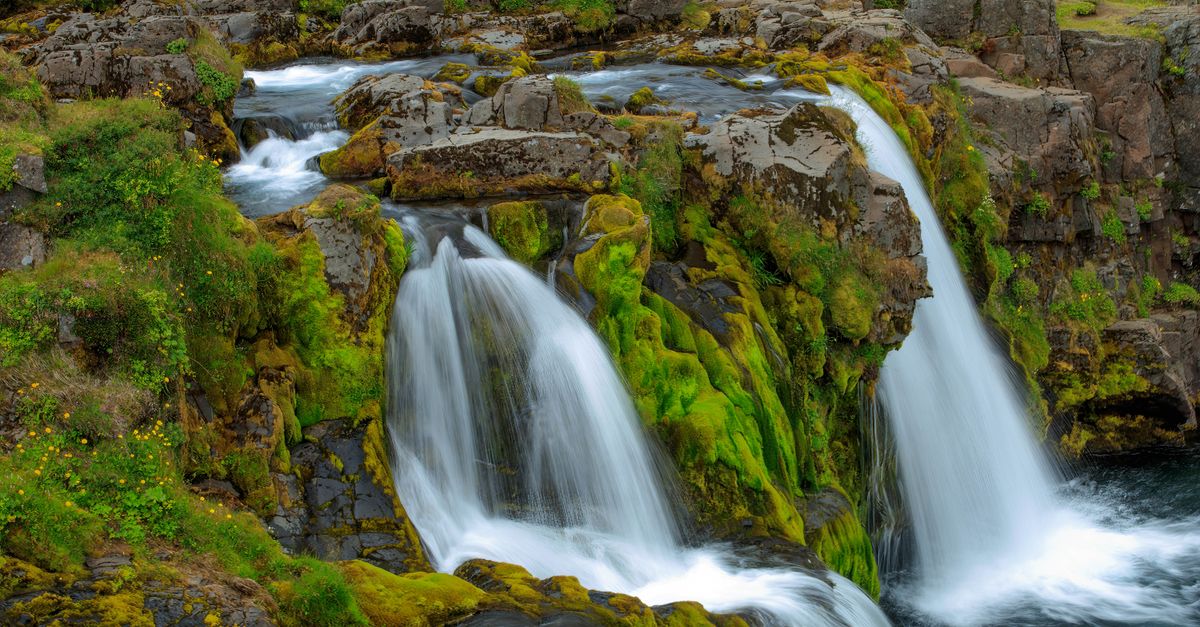
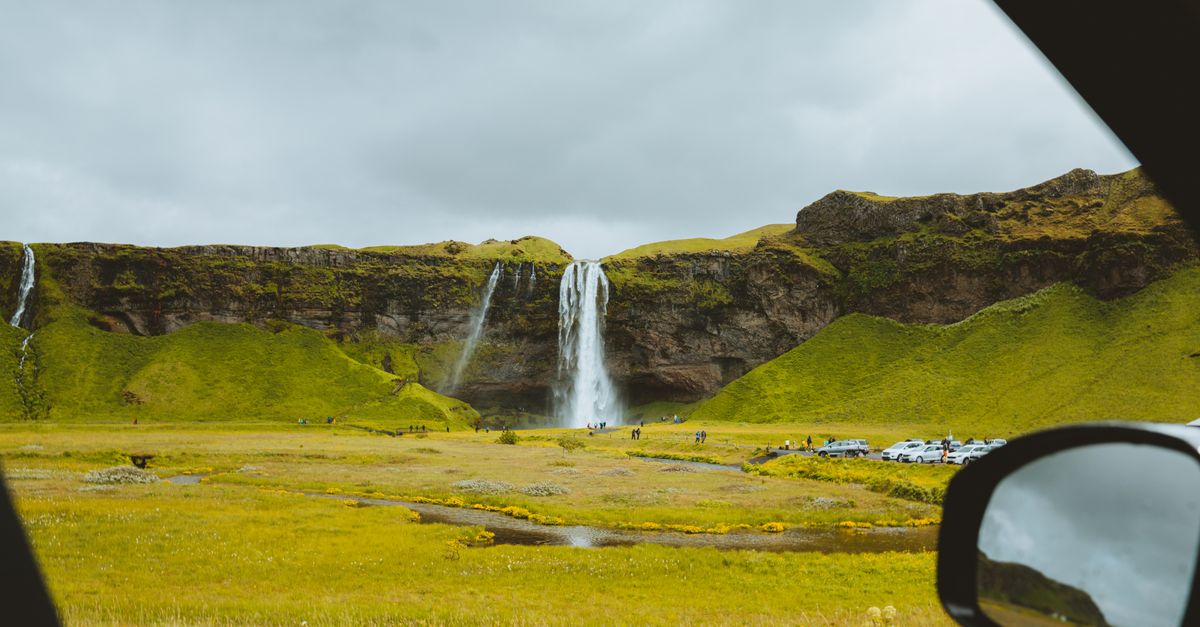
What Iceland buys you is a holiday that is still worth having if the aurora never appears: waterfalls, glaciers, the south coast, ice caves. The best time to visit Iceland has the month table and the road conditions, which in winter decide where you can go.
What we cannot show you: Tromsø, Abisko, Rovaniemi and Yellowknife are not in our catalogue, so there is no live room shelf for the Nordic and Canadian destinations on this page. That is a real gap, because Abisko is the one we would send you to on the numbers. The Reykjavík shelves above are real rooms for your dates.
Short tourist stays only. Checked 21 Aug 2026; rules change without notice and the government page is the source of truth.
Check your own passport →Checked 21 Aug 2026.
Everything we check for Iceland →What to actually pack for the standing about
This is a spectator sport in the cold and most people underestimate it. You are standing still, outdoors, at midnight, in the Arctic, for two hours.
Layers, and the base layer matters most. Wool or synthetic, never cotton.
Boots rated well below the forecast temperature, and a spare pair of socks.
Mittens over gloves, with thin liner gloves underneath for the camera.
Spare camera batteries, kept warm in an inside pocket. Lithium batteries lose their charge fast in the cold, and this is the most common way people miss the display they drove three hours for.
A tripod, if the photograph matters. Handheld night shots of the aurora do not work, whatever your phone claims.
What to skip
Booking one or two nights. The whole five-night section.
Refreshing a Kp forecast from inside the auroral zone. Watch the cloud.
A tour without a free-repeat policy.
Judging the display by the photographs you have seen. Cameras collect light over seconds; your eyes do not. A real aurora often looks like a pale grey-green band that moves, and it is more impressive in motion than in colour.
Full moon week, if you have the choice. It will not stop a strong display and it will wash out a weak one.
Expecting it in summer. There is no darkness at these latitudes from May to August.
Before you book
The best time to visit Iceland has the country-specific month table, the F-road openings and the winter driving reality, and the Iceland Ring Road itinerary is the summer route for the other half of the year. Where to travel in January has the aurora season against the alternatives, and where to travel in December covers the Christmas end of it. Underrated European cities and three days in Budapest are Josefin's other northern and central European guides.
The Reykjavik city guide and the Iceland country guide carry the practicalities, and there is more in the when to go hub.
Season dates and solar forecasts checked September 2026. Aurora activity is forecast rather than known and cloud is the variable that decides your night, so the Icelandic Met Office publishes cloud and aurora forecasts on one page and the equivalent national service does the same elsewhere, which is what to check on the day rather than any guide, this one included. Here is how we research and re-check guides.