The best time to visit Iceland, and why the next two winters are the ones
The best time to visit Iceland month by month, with the aurora season, the highland roads that open in stages and the solar cycle that peaks about now.
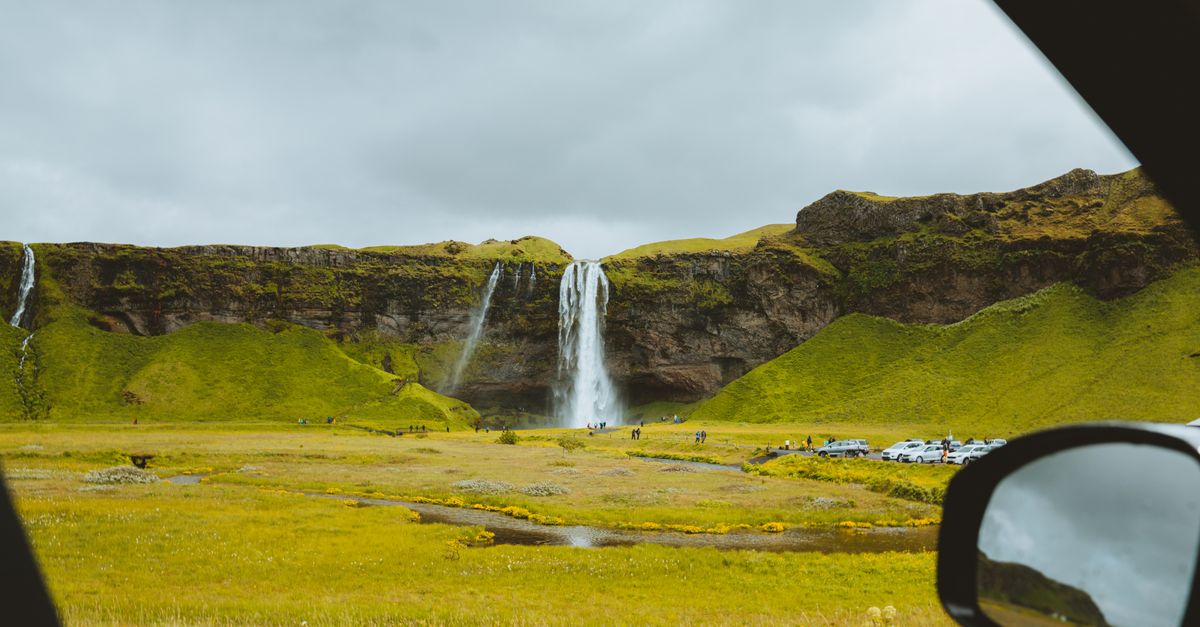
Photo · Edoardo Colombo · Pexels
Iceland is two entirely different countries depending on the month, and the question is really which one you want.
Summer gives you the midnight sun, the highlands and a full circuit of the island. Winter gives you the aurora, ice caves and prices that are a fraction of July's, and about five hours of daylight to use them in.
There is also a reason to think about the next two winters specifically.
Icelandic króna. Convert any figure on this page into your own currency at today's published rate.
Open the currency converter →The aurora, and why timing matters more than usual right now
The season runs from late September to early April. Outside it there is simply not enough darkness.
Within that, March and September are the two strongest months, because they combine genuinely dark skies with milder weather and more forgiving roads. Seeing the aurora almost always means driving away from town light at midnight, and in January that drive is on ice.
November to January have the deepest darkness and the worst conditions to be out in it.
The part that is specific to now: solar activity is forecast to stay elevated through 2026 and into 2027, producing frequent geomagnetic storms at Iceland's latitude, and to decline from 2027 onward as the cycle heads toward its minimum in the early 2030s.
So if a northern lights trip is on your list, the next two winters are a better bet than the several after them. That is not a marketing line; it is where the eleven-year solar cycle currently sits.
The roads, which decide where you can actually go
Route 1, the Ring Road, is ploughed and patrolled year round. That is the good news and it is not the whole story.
In winter expect ice, snow, low visibility and closures at short notice. Four-wheel drive is strongly recommended even on the Ring Road, and studded tyres are legal from 1 November to 15 April.
The highland F-roads are a summer-only network. They open in stages from late May to mid-July as the snow melts:
- F35, the Kjölur route, is usually among the earliest, around mid-June.
- Most F-roads open between mid-June and early July.
- F910 east towards Askja is one of the last, **sometimes not until
mid-July**.
- Most stay open until late October or early November.
F-roads require a four-wheel drive by law, not by recommendation, and several involve unbridged river crossings that standard hire insurance does not cover.
Check conditions the morning of, every morning. Iceland's road authority publishes live status and it changes hourly in winter. The Icelandic Met Office publishes the weather and aurora forecasts together, which is the page to have open.
Month by month
January and February. Four to six hours of daylight, the deepest aurora darkness, ice caves at their most accessible, and the lowest prices of the year outside the holidays. Plan one or two things a day, not four.
March. One of the two best aurora months. Daylight is back to something usable, the roads are improving, and the aurora season still has a month to run. Our pick for a first winter trip.
April. The shoulder. Aurora season ends early in the month, the highlands are still closed, and prices are low. Good for the south coast and the Golden Circle.
May. Long days, everything on the Ring Road open, highlands still closed, and puffins arrive. Quiet and good value.
June. The midnight sun. Near-continuous daylight, the first F-roads opening, and the start of the peak. Expensive from here on.
July and August. The peak in every sense: warmest, busiest, dearest, all roads open, whale watching at its best, and puffins until early August. Book accommodation months ahead, because Iceland's bed supply outside Reykjavík is genuinely limited.
September. The best month if you want both halves of Iceland. The highlands are still open at the start, the aurora season begins, autumn colour in the interior, and the crowds have gone. This is the month we would pick.
October. Aurora season running, highlands closing, first snow, prices falling. Good value and increasingly unpredictable weather.
November and December. Dark, cold and cheap outside the Christmas and New Year window, which is neither. Reykjavík at Christmas is genuinely charming.
What each season actually buys you
Summer, June to August: the full Ring Road, the highlands, the Westfjords, whale watching, puffins, midnight sun, and no aurora at all. The most expensive version of the country.
Shoulder, May and September: most of the summer access, a fraction of the crowds, and in September the aurora as well.
Winter, November to March: aurora, ice caves, which only exist when the glacier is frozen enough to be safe, the lowest prices, and a much smaller map. The Westfjords and the highlands are closed, and the north can be difficult to reach.
The honest winter warning: a winter itinerary that plans to circle the island in seven days is a winter itinerary that will get changed by weather. Base in the south, plan fewer things, and keep a spare day. The Ring Road itinerary is written for the season that can actually do it.
Short tourist stays only. Checked 21 Aug 2026; rules change without notice and the government page is the source of truth.
Check your own passport →Checked 21 Aug 2026.
Everything we check for Iceland →What to skip
Planning a fixed winter schedule. The roads decide.
One aurora tour on one night. Build three chances into the trip.
An F-road in a two-wheel drive. It is illegal, uninsured and the rescue is expensive.
Circling the island in a winter week.
Assuming the highlands are open because it is June. Check the specific road.
July and August, if the aurora is the reason for the trip. There is no darkness.
Before you book
The Iceland Ring Road itinerary is the summer route, and Underrated European cities covers the rest of Josefin's northern beat. Where to travel in January has Iceland's winter against the alternatives, where to travel in October has the shoulder, and the best places to travel in 2027 has the year ahead. Three days in Budapest and Croatia in 7 days are her other routes.
The Reykjavik city guide and the Iceland country guide carry the practicalities, and there is more in the when to go hub.
Road opening patterns and the solar forecast checked September 2026. F-road opening dates move by weeks with the snowmelt each year and winter road status changes hourly, so Iceland's road administration publishes live conditions, which is the only source worth trusting on the morning itself. Here is how we research and re-check guides.