Kyoto or Osaka, and the tax that decided it in 2026
Kyoto for the sights, Osaka for the base, and since March 2026 the accommodation tax makes that split cheaper than it has ever been. Six rounds, six winners.
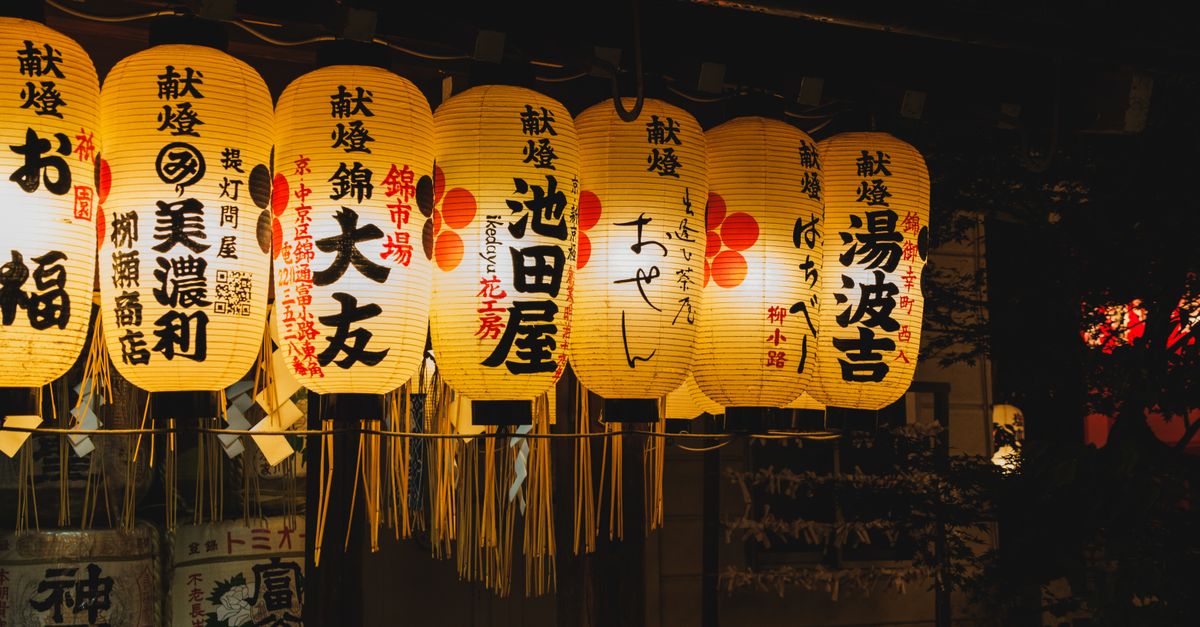
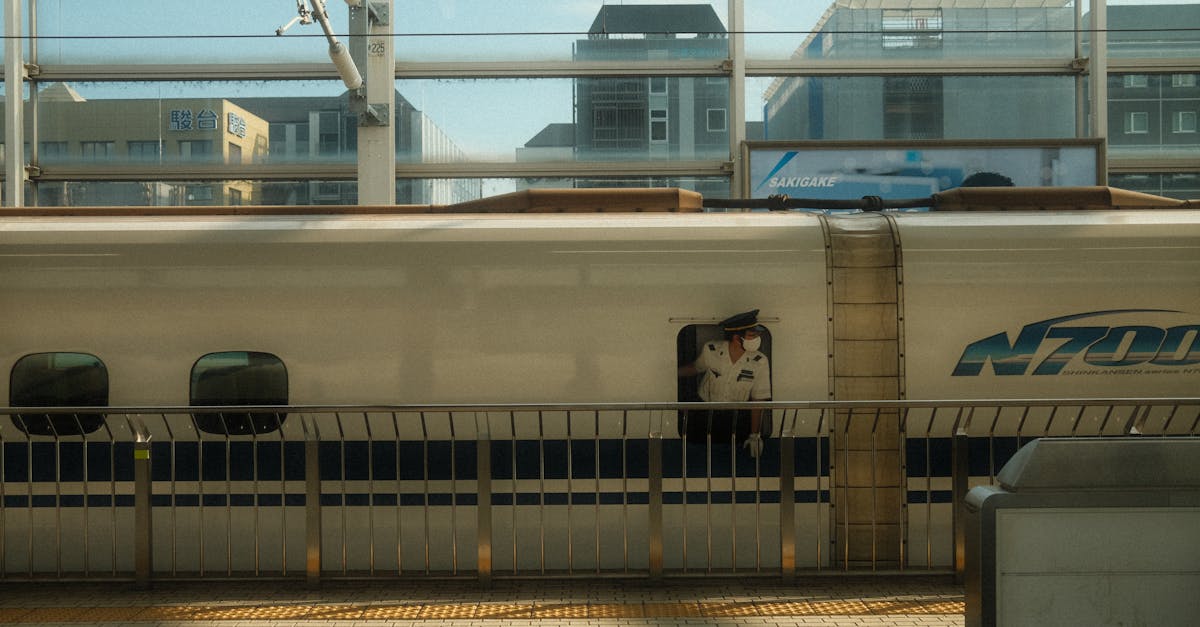
Photo · Sun Hung · Pexels
Kyoto for the sights, Osaka for the base. That has always been roughly true, and in March 2026 it stopped being a matter of taste and became a matter of arithmetic.
Kyoto replaced its accommodation tax with five bands and raised the top ones sharply. Osaka kept a cap of ¥500. On a mid-range trip that is a rounding error, and on anything above it, it is a flight.
The two cities are about fifteen minutes apart on a fast train, which is why this comparison is unusually low-stakes: whichever you pick, you can have the other one before lunch.
Japanese yen. Convert any figure on this page into your own currency at today's published rate.
Open the currency converter →Round one: the accommodation tax
| Room rate, per person per night | Kyoto | Osaka |
|---|---|---|
| Under ¥5,000 | ¥200 | Nothing |
| ¥5,000–15,000 | ¥200–400 | ¥200 |
| ¥15,000–20,000 | Rising | ¥400 |
| ¥20,000+ | Rising steeply | ¥500, and that is the cap |
| ¥100,000+ | ¥10,000 | ¥500 |
Kyoto moved to five bands on 1 March 2026 and now levies the highest accommodation tax in Japan. Osaka's tops out at ¥500, and rooms under ¥5,000 pay nothing at all, which covers a great many Dotonbori business hotels.
The tax is per person, per night, which compounds in two directions people miss. A family of four pays four times. And a ryokan prices per person rather than per room, so a ryokan stay is taxed roughly double a couple's hotel room at the same headline rate.
Winner: Osaka, by a distance that grows with your budget.
Round two: the room rate underneath it
Kyoto's rates move more across the year than almost any city in Japan. The Kyoto City Tourism Association's own monthly survey put the city-wide average at ¥17,744 a night in July 2026 and ¥26,017 in March 2026, a 47% swing for the same rooms, with Golden Week averaging about ¥48,900.
That is worth reading twice, because it means when you go changes the price more than where you stay. The best time to visit Japan has the full picture, and the short version is that Japan no longer has a quiet season, only a cheaper one.
Osaka is a bigger city with far more rooms and less seasonal whiplash.
Winner: Osaka.
Round three: the sights
This is not a contest.
Kyoto has Fushimi Inari, Kiyomizu-dera, the Arashiyama bamboo grove, Kinkaku-ji, Ginkaku-ji, the Philosopher's Path and Gion. Osaka has a reconstructed castle, an excellent aquarium and a very good museum or two.
The thing to understand about Kyoto's sights is that they are transformed by the hour rather than the season. Fushimi Inari at seven in the morning is a mountain path; at ten it is a queue. That is the argument for sleeping in Kyoto, and it is a real one: three days in Kyoto is built entirely around it.
Winner: Kyoto, overwhelmingly.
Round four: the food
Also not close, in the other direction.
Osaka eats. Takoyaki, okonomiyaki, kushikatsu, the standing bars under the tracks, and a culture that treats eating well as a birthright rather than an occasion. You can turn up anywhere without a reservation and eat brilliantly.
Kyoto's best food is harder to reach. Kaiseki and ryōtei need booking, often with prepayment, and a meaningful number of the finest rooms are introduction-only: they will not take a first-time stranger however early you call. The way round it is a booking platform or your ryokan's concierge, and lunch is the arbitrage, because the same kitchen that charges ¥25,000 at dinner often does a set lunch for a third to a half of it.
Winner: Osaka for a whole trip, Kyoto for one extraordinary meal.
Round five: getting around
Kyoto's transport is worse than its reputation, and this is the thing most guides get wrong. There are two subway lines, and they miss most of the famous sights, so the network leans on buses that are slow, crowded and stop constantly. Arashiyama to Kinkaku-ji has no direct rail at all.
Osaka has a proper metro, eight lines of it, and it goes where you want to go.
Winner: Osaka.
Round six: day trips
From Kyoto: Nara in about forty-five minutes, Uji, Osaka itself.
From Osaka: Kyoto in fifteen minutes, Nara in forty, Kobe in twenty, Himeji Castle in about an hour on the Shinkansen.
Osaka is the better hub, simply because it sits on more lines.
Winner: Osaka.
So which do you choose
Choose Kyoto if:
- The temples are the reason for the trip, and you want them before eight.
- You are staying three nights or fewer, where the transfer time matters more
than the tax.
- You want one ryokan night, which is a Kyoto experience more than an Osaka one.
- Autumn colour or cherry blossom is the point, because Kyoto is where it lands.
Choose Osaka if:
- The budget is a real constraint. The tax gap alone can fund a day.
- You want to eat well every night without planning any of it.
- You are travelling with children, because Osaka is flatter, louder, cheaper
and has an aquarium. Japan with kids makes that case properly.
- You are moving on afterwards, because Osaka's rail connections are better.
The both-in-one-trip answer, which is what most people should do
Base in Osaka, day-trip to Kyoto, and accept one cost: the early morning.
Fifteen minutes on the fast train sounds like nothing, and the first departure plus the walk at the Kyoto end still means leaving Osaka before seven to be at Fushimi Inari by eight. That is a genuine sacrifice and it is the only thing this strategy costs you. Everything else it wins.
The refinement that works best: two nights in Kyoto for the early mornings, then move to Osaka for the rest. You get the dawn temples at Kyoto's tax rate for two nights only, then eat your way through Osaka at ¥500 a head. On a week-long trip that is the best of both by a clear margin, and it is what we would book.
The seven-day and fourteen-day Japan routes both use this shape.
What to skip
Basing in Kyoto for a week at a high room rate. The tax bands make the last four nights considerably more expensive than the first three needed to be.
Day-tripping to Kyoto and arriving at eleven. You will see the queue rather than the country, and you will conclude Kyoto is overrated, and you will be wrong.
Osaka Castle expecting a castle. It is a 1930s concrete reconstruction with a lift inside, and the park around it is the good part. Himeji, an hour away, is the real thing.
Adding Nara to a two-day Kyoto trip. It is a full day and it costs you a third of your Kyoto time. From four days upward, it earns its place.
Visa-free · 90 days, on all five passports we check.
Short tourist stays only. Checked 21 Aug 2026; rules change without notice and the government page is the source of truth.
Check your own passport →Checked 21 Aug 2026.
Everything we check for Japan →Before you book
Where to stay in Kyoto has the districts, the full tax table and the room-rate seasonality, and three days in Kyoto is the route built around one compass point per day. For the wider trip, seven days in Japan and fourteen days join these two cities to Tokyo, five days in Tokyo covers the other end, and day trips from Tokyo has the passes. The Kyoto city guide, the Osaka city guide and the Japan country guide have the practicalities, and when to go decides what you pay. Ready to look at rooms? Kyoto stays here and Osaka stays here.
Tax bands, room-rate averages and fares checked September 2026. Kyoto's accommodation tax changed on 1 March 2026 and Japan's departure tax rose to ¥3,000, so any comparison written before this year is using the old numbers on both sides. Here is how we research and re-check guides.