How many days do you need in Rome? Four, and here's the maths
Three days is the common answer and it is one short. What each day buys you, what the tickets and the city tax cost, and when three is genuinely enough.
Photo · Jiri Ikonomidis · Pexels
Four full days. Three is the answer most guides give and it is one day short, and the missing day is the one that turns a sightseeing trip into a visit to a city.
Here is what each day actually buys you, with the numbers.
The four days, and what happens if you cut one
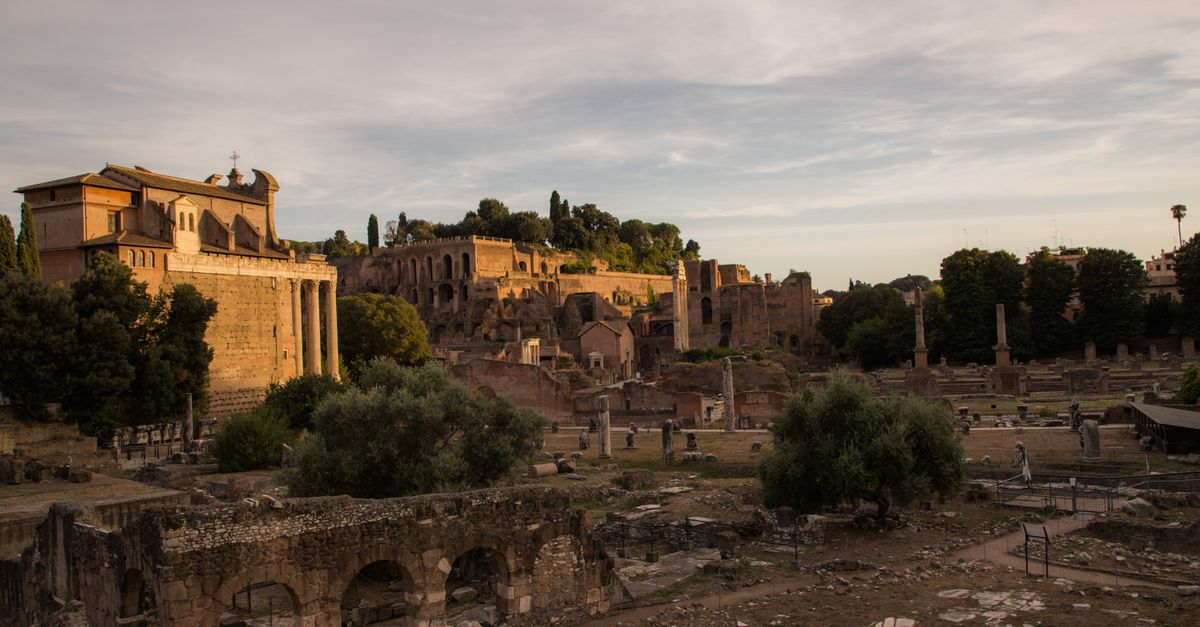
Day one: ancient Rome. Colosseum, Forum, Palatine, and the Capitoline museums if there is time. This is a full day and the ticket is valid for 24 hours, so a late-afternoon Colosseum and a next-morning Forum is a legitimate way to split it.
Day two: the Vatican. Museums, Sistine Chapel, St Peter's. Book the first entry slot and it is a morning and an early afternoon. Turn up without a booking and it is a whole day, most of it queueing.
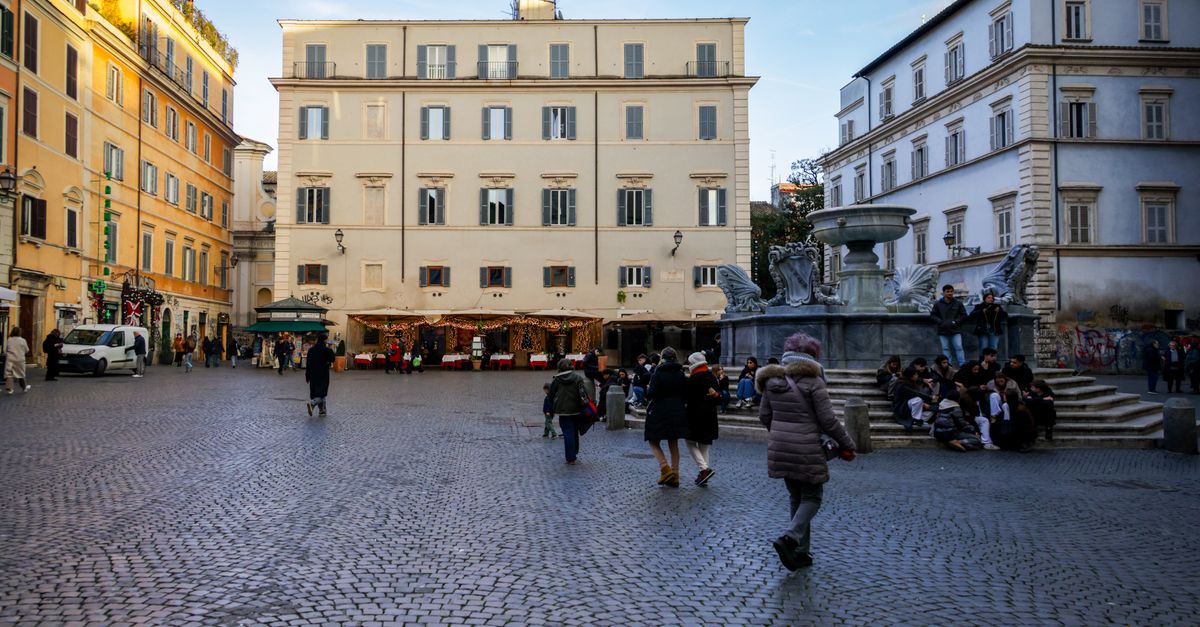
Day three: the Baroque centre and Trastevere. Pantheon, Piazza Navona, Trevi, the Spanish Steps, then across the river for the evening. This is the walking day and it is the one people enjoy most.
Day four: the one that matters. Ostia Antica, or the Appian Way by bike, or the Borghese Gallery, or Testaccio and the food, or simply the same neighbourhood twice.
Cut day four and you have seen Rome's sights and not Rome. Cut day three and the trip becomes a queue with a lunch in it. Our four-day route is built exactly this way and the areas guide picks the base, which matters more here than in most cities because the distances are real.
Euro. Convert any figure on this page into your own currency at today's published rate.
Open the currency converter →What it costs, in euro
The two fixed tickets, checked September 2026:
| Price | The detail | |
|---|---|---|
| Colosseum, Forum, Palatine | 18 euro | 16 euro plus a 2 euro booking fee, valid 24 hours across all three |
| Vatican Museums | 20 euro at the door, 25 online | The online booking fee is 5 euro |
And the charge that is not in the room rate. Rome's contributo di soggiorno is per person per night and scales with the accommodation's category, running from about 4 euro at a one-star to about 10 euro at a five-star, with children under 10 exempt and a maximum of 10 consecutive nights. The city publishes the current bands itself.
Run the four nights out. Two adults in a four-star at 7 euro a head is 56 euro collected at the desk, on top of everything you compared. A family of four with two children under ten pays the same 56, because the children are exempt.
That is not a large number. It is a number nobody tells you, and it is the difference between the budget you set and the bill you get.
When three days is genuinely enough
If it is a second visit. You have done the Vatican, you do not need to do it again, and three days of neighbourhoods is a lovely trip.
If Rome is one stop in a longer Italian route. Our ten-day Italy route gives Rome three days precisely because Florence, Naples and the coast are also in it, and that balance is right.
If you will book everything before you fly. The difference between a booked three days and an unbooked three days in Rome is roughly a full day of queueing.
It is not enough if it is your first visit, if you are travelling with children, or if the trip is only Rome. Our Rome with kids guide argues for five with a young family, because the pace halves.
When you need five
Five days if you want a day trip. Ostia Antica is the best of them and is forty minutes on a suburban train, Tivoli's two villas are a full day, and Naples is an hour and ten minutes on the fast train and deserves more than a day. Our day trips guide ranks them.
Five days if it is August. Everything takes longer in the heat, the middle of the day is unusable, and a trip built on early mornings and late afternoons needs more days to hold the same content. The Italian calendar has the months, and our September guide explains why the second week of September is the better booking.
The four things that waste a Roman day
Turning up at the Vatican without a slot. The queue outside the Museums regularly runs for hours in season, and the people selling you a way past it on the pavement are selling you a tour you did not want at a price you would not have paid.
The free Vatican Sunday. The last Sunday of the month is free and it is the worst crowd of the month. Pay on a weekday.
Crossing the city three times in a day. The Vatican to the Colosseum is about forty minutes on foot or a metro change with a walk at each end. Plan by area, not by attraction, and you get an hour of your day back.
Booking a hotel near Termini because it is cheap. It is cheap because it is a twenty-minute walk or a metro ride from everything you came for, twice a day, for four days. That is most of a day of your trip spent commuting, and the saving does not cover it.
The practical layer
Checked 21 Aug 2026.
Everything we check for Italy →Entry rules depend on the passport you hold rather than on the city.
Short tourist stays only. Checked 21 Aug 2026; rules change without notice and the government page is the source of truth.
Check your own passport →Before you book
Rome or Florence answers the question if you have not committed yet, and the four-day route is the shape this guide is arguing for.
Where to stay in Rome is the decision that costs the most to get wrong, and the Italian calendar decides the month.
The first trips hub collects the rest and the Italy country page has the practical layer.
Ticket prices and the city tax checked September 2026 against Rome's official tourism board and the Vatican Museums' own ticket pages. Prices and exemptions change; the official pages are the source of truth. Here is how we research and re-check guides.