Rome or Florence, decided by how many days you have
Under four days it is Florence, over four it is Rome, and the ticket prices explain why. Six rounds, the Uffizi discount nobody uses, and the tax.
Photo · Phil Evenden · Pexels
The length of your trip decides this, not your taste.
Under four days, go to Florence. It is walkable end to end in half an hour, the great sights are within a few hundred metres of each other, and a three-day Florence trip is complete rather than rushed.
Four days or more, go to Rome. It has more to see than any city in Europe and it needs the time: the ancient centre, the Vatican and the neighbourhoods are three separate days and the distances between them are real.
A week? Both, four and three, with the fast train in the middle. That is the standard Italian first trip and it is standard because it works.
Euro. Convert any figure on this page into your own currency at today's published rate.
Open the currency converter →The six rounds
Round 1: how much there is. Rome, obviously.
Three thousand years of continuously occupied city, an ancient capital, a Renaissance capital, a Baroque capital and a sovereign state inside it. You can spend a week in Rome and not repeat a neighbourhood.
Florence is a small city with an extraordinarily dense two hundred years in it.
Winner: Rome, decisively.
Round 2: how easy it is. Florence, decisively.
This is the round that actually decides most trips.
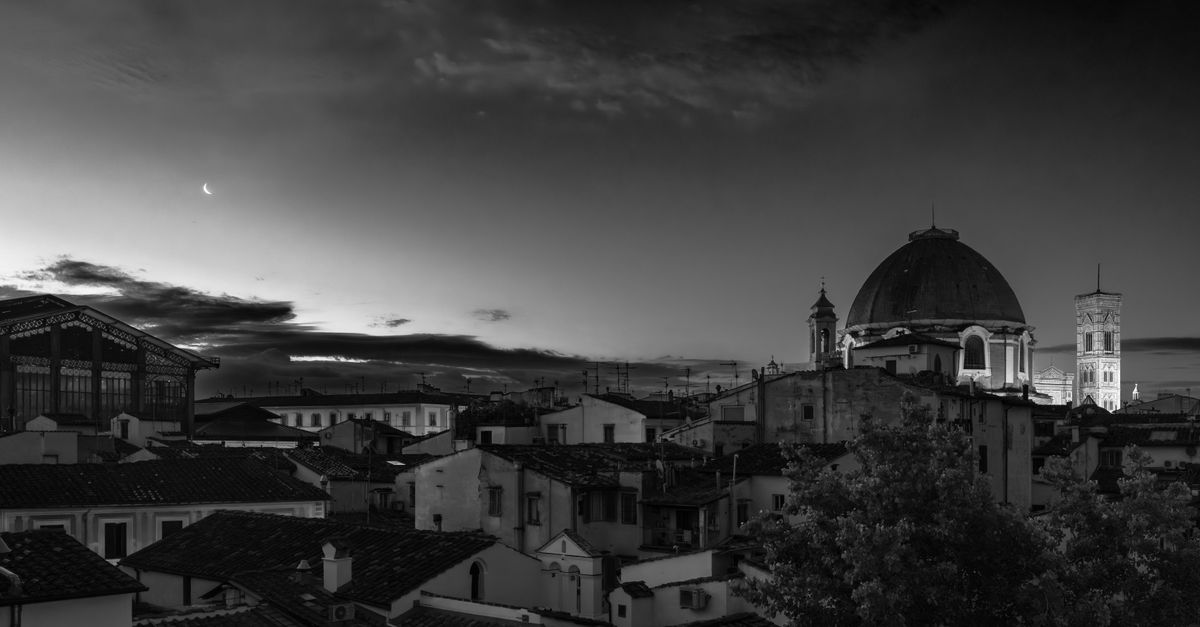
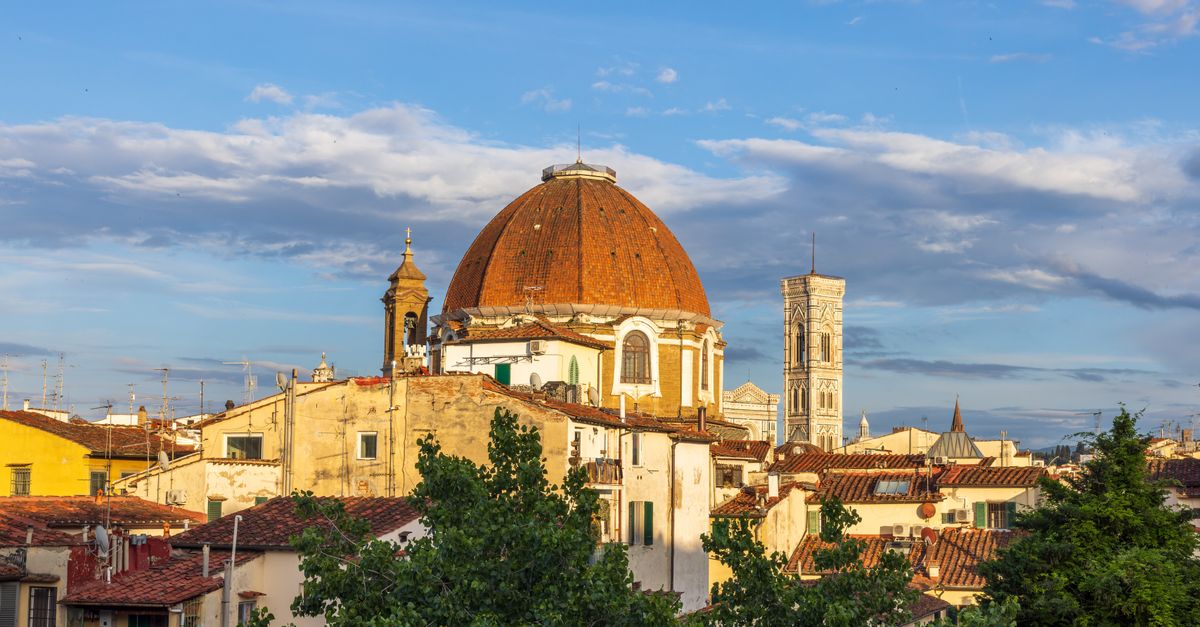
Florence's historic centre is about a kilometre across. The Duomo, the Uffizi, the Ponte Vecchio, Santa Croce and the Accademia are all inside a twenty-minute walk of one another. You will not use public transport once.
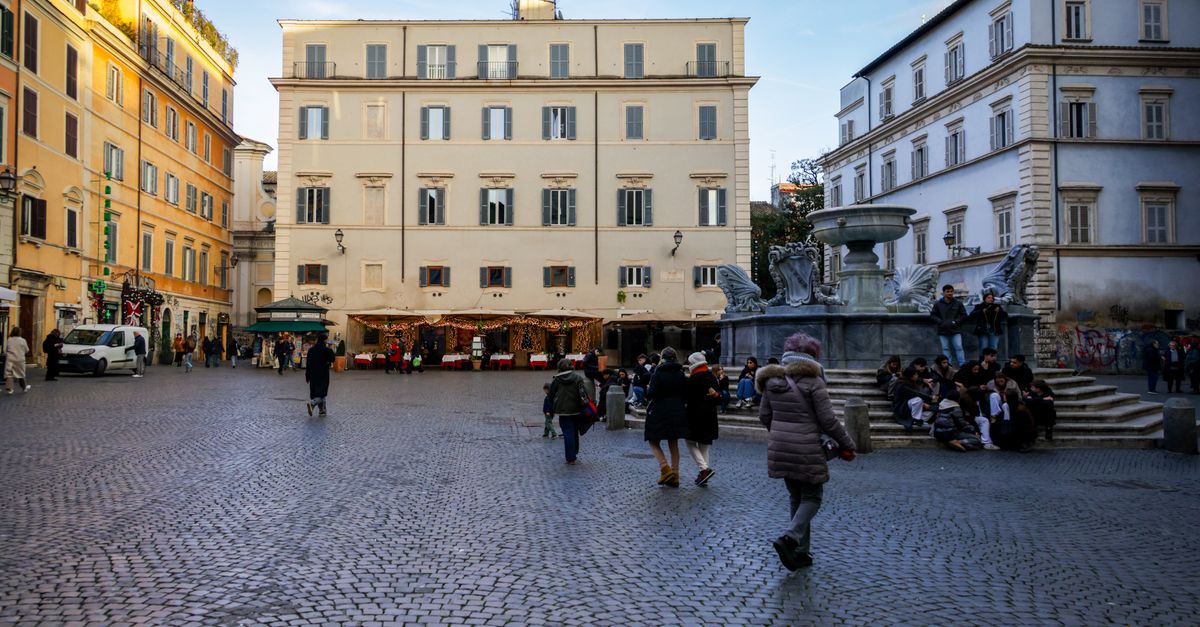
Rome is enormous and the sights are spread. The Vatican to the Colosseum is about forty minutes on foot or a metro change, and a badly planned Roman day loses two hours to transit. Metro line C is still being extended through the ancient centre, which will eventually improve this and does not help you yet.
Winner: Florence, decisively.
Round 3: what the tickets cost, and the discount nobody uses
Here is the arithmetic, checked September 2026.
| Rome | Florence | |
|---|---|---|
| Headline ticket | Colosseum, Forum and Palatine, 18 euro | Uffizi, 25 euro |
| What that 18 euro is | 16 euro plus a 2 euro booking fee | Standard admission |
| Validity | 24 hours across all three sites | Single timed entry |
| The discount | None on the standard ticket | 16 euro on site, or 20 euro online, from 4pm |
The Uffizi afternoon discount came in on 1 January 2026 and almost nobody mentions it: entry from 4pm drops the ticket from 25 euro to 16 on the door, and the gallery publishes the terms itself. The gallery is open late on most days in the season, the light through the Arno-facing windows at that hour is the best of the day, and the morning coach groups have gone.
Run it out for two people: an afternoon Uffizi is 18 euro cheaper than a morning one, which is a dinner. Book the Accademia for the morning instead, because David is a twenty-minute visit and the queue is worst at midday.
Rome's 18 euro is the better headline value, because it covers three sites for 24 hours rather than one for a slot.
Winner: Rome on value, Florence if you use the afternoon rate.
Round 4: the accommodation tax. Florence, and it costs more than you think.
Both cities charge a per-person, per-night tourist tax that is collected at check-in and is rarely in the price you compared.
Florence charges 3.50 to 8 euro per person per night, scaled by the accommodation's rating, with under-12s exempt and the charge capped at seven consecutive nights, checked September 2026.
Do the maths: two adults, four nights in a four-star Florence hotel at 6 euro, is 48 euro added at the desk. A family of four with two children under twelve pays the same 48, because the children are exempt, which is worth knowing before you argue about it.
Rome's equivalent is broadly similar in structure and lands in the same range.
Winner: a draw on the rule, Florence on the sting, because its rooms are dearer to begin with.
Round 5: food. Rome, and Florentines will disagree.
Roman cooking is one of the great regional cuisines of Italy and it is built from almost nothing: cacio e pepe, gricia, amatriciana, carbonara, carciofi alla giudia, and offal in the Testaccio tradition. It is cheap, it is everywhere, and the standard in an ordinary neighbourhood trattoria is high.
Florence has the better single ingredient, the Chianina beef in a bistecca alla fiorentina, and a thinner everyday repertoire. It also has a much higher ratio of restaurants that exist purely for visitors, because of the size of the centre relative to the number of people in it.
Winner: Rome.
Round 6: day trips. Florence, and it is not close.
Florence is the gateway to Tuscany. Siena, San Gimignano, Lucca, Pisa, the Chianti hills and the Val d'Orcia are all inside ninety minutes, and several are reachable by train without a car.
Rome's day trips are real but fewer: Ostia Antica, Tivoli, the Castelli Romani, and Naples at an hour and ten minutes on the fast train, which is more of a second city than a day trip. Our day trips from Rome guide ranks them.
Winner: Florence.
Choose Rome if
- You have four days or more.
- Ancient history is the reason for the trip.
- You want a city that is a place people live rather than a centre people visit.
- Food matters more than art.
Choose Florence if
- You have three days or fewer.
- Renaissance art is the reason for the trip.
- You want to walk everywhere and never look at a transport map.
- Tuscany is in the plan.
The one to skip, in each
In Rome, skip the free Vatican Museums Sunday. The last Sunday of the month is free and it is the single worst crowd in the city: the queue forms before dawn, the galleries move at a shuffle, and the Sistine Chapel is a room you are carried through. Pay the money on a weekday and book the first entry slot.
In Florence, skip Piazzale Michelangelo at sunset in summer. The view is famous, the coaches know it, and the terrace is shoulder to shoulder from an hour before. Go up to San Miniato al Monte instead, five minutes higher, with the same view, a Romanesque church, and a Gregorian vespers most evenings.
And skip the Florence day trip from Rome. An hour and a half each way leaves about seven usable hours, which buys you the Duomo, one gallery and a queue. Florence after seven in the evening, when the day groups have gone, is the best version of it, and a day trip is designed to miss exactly that.
The practical layer
Checked 21 Aug 2026.
Everything we check for Italy →Entry rules are about your passport rather than which Italian city you fly into.
Short tourist stays only. Checked 21 Aug 2026; rules change without notice and the government page is the source of truth.
Check your own passport →Before you book
The Italian calendar decides the month, and our September guide explains why the second week of that month is the best value in the Italian year.
Where to stay in Rome and where to stay in Florence have the areas and the walk times, the four-day Rome route is the shape of the longer trip, and the ten-day Italy route puts both cities in order.
The best of hub collects the comparisons and the Italy country page has the rest.
Ticket prices, the Uffizi afternoon rate and the Florence tourist tax checked September 2026 against the Uffizi Galleries' own ticket pages and the Colosseum archaeological park's ticketing. Prices and opening hours change seasonally and the official site is the source of truth. Here is how we research and re-check guides.