Rome in 4 days, booked in the right order
Four days in Rome built around the booking calendar rather than the map. What releases when, the two prices that changed in 2026, and what to skip.
Photo · Jovan Vasiljević · Pexels
Four days is the first Rome that is not a forced march. One day for ancient Rome, one for the Vatican, one for the centre on foot, and a fourth you spend on whatever you actually came for.
The order, though, is not yours to choose. Three of Rome's best sights sell timed tickets on three different release calendars, and if you build a day-by-day plan first and book second, you will spend the trip rearranging it. So this itinerary starts with the calendar and puts the map second.
Two prices also changed this year, and most pages ranking for this question have not caught up. The Pantheon went from €5 to €7 on 1 July 2026. The Trevi Fountain basin has cost €2 since 2 February.
Euro. Convert any figure on this page into your own currency at today's published rate.
Open the currency converter →Book these three before you book anything else
| What | When it releases | What it costs |
|---|---|---|
| Colosseum, Forum, Palatine | Exactly 30 days ahead | €18 + €2 booking fee |
| Pantheon | Mid-month, for the following month | €7 + booking |
| Borghese Gallery | Fixed two-hour slots, weeks ahead | €16 + €2 reservation |
| Vatican Museums | Any time, but good slots thin out | €20, or €25 online |
The Colosseum is the trap. Tickets go on sale on the park's own ticketing site exactly thirty days before the date, and the Full Experience tickets with the underground and the arena floor are gone within hours. If your trip is more than thirty days away you cannot book yet, which is the commonest reason people arrive without a ticket. Put a reminder in your calendar on day minus thirty.
Note the address, too. The official platform replaced coopculture.it in 2024 and plenty of guides still send you to the old one. The standard ticket is €18 plus a €2 online booking fee, valid 24 hours, and it covers the Roman Forum and Palatine Hill as well. Full Experience tickets are €24 plus the same €2 and run 48 hours.
Day one: ancient Rome, and the metro line that changed it
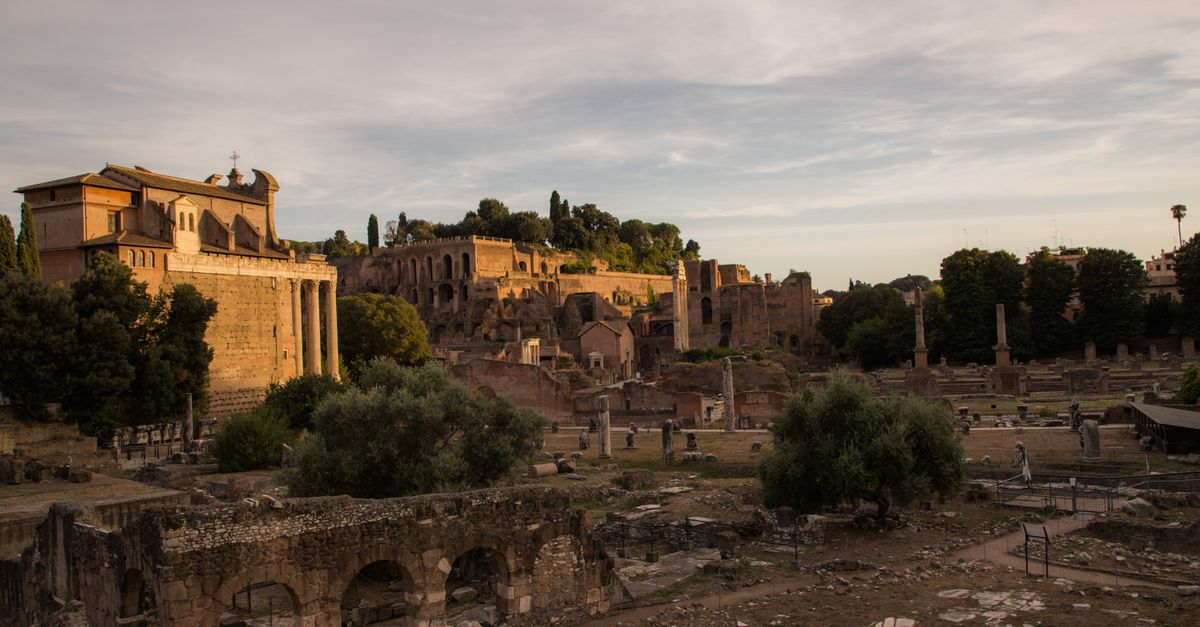
Start at the Colosseum on the earliest slot you were given. Go in, come out into the Roman Forum, and walk uphill to the Palatine, which is where almost everyone runs out of energy and where the best views of the Forum actually are. Budget three and a half hours for the three of them and book nothing else before two in the afternoon.
Getting there is genuinely easier than it was. Metro line C opened at Colosseo on 16 December 2025 and made an interchange with line B, so the station now serves two lines instead of one. If a guide tells you the Colosseum is on line B only, it was written before last Christmas.
Afternoon: walk north into Monti, five minutes from the Forum exit and a different city. Via dei Serpenti and Via del Boschetto for the shops, Piazza della Madonna dei Monti for the early evening. Eat here rather than anywhere with a view of the Colosseum, which is a reliable way to pay double for worse food.
Day two: the Vatican, and the door most people miss
The Vatican Museums are €20 at the door and €25 online, because the online price is the €20 ticket plus a €5 skip-the-line fee. That fee is not optional in practice. The walk-up queue in high season is why people write angry reviews about a building full of Raphael.
Straight from the Museums' own tariff page: full €20, reduced €10, and children under 7 free. The last Sunday of the month is free, with final entry at 12.30pm, and it is the busiest morning of the month by a distance. Free is not the same as good.
The route is one-way and long. From the entrance you walk galleries for somewhere between ninety minutes and three hours before the Sistine Chapel, and there is no shortcut. Then take the door at the far right of the chapel, which drops you into St Peter's Basilica without rejoining the security queue in the square. Guides argue about whether that door is for groups only. In practice it is usually open, and it is worth forty minutes.
St Peter's is free. The dome climb is not, and it is 551 steps if you walk the lot or 320 after the lift. If anyone in the party is claustrophobic, the last stretch of the spiral is genuinely tight and there is no turning back in it.
Afternoon in Prati: Via Cola di Rienzo for lunch that is not aimed at you, then Castel Sant'Angelo, then across the Ponte Sant'Angelo at dusk. That bridge at that hour is the best free thing you will do all week.
Day three: the centre, entirely on foot
This is the day with no metro, because the centre does not have one. The Pantheon, Piazza Navona, Campo de' Fiori and the Trevi have no station anywhere near them and never will, because you cannot tunnel through that much archaeology. Trams 8 and 19 and the buses cover the edges. The middle is walking.
Start at the Pantheon at nine. It is €7 now, open to 7pm with the ticket office shutting at 6, and tickets come through the Musei Italiani system, released mid-month for the month after. Under-18s free, Rome residents free, first Sunday of the month free. And there is a way in that costs nothing: Mass is free to attend, at 5pm on Saturdays and vigils and 10.30am on Sundays and holidays. You are going to a service, not sightseeing, and you behave accordingly.
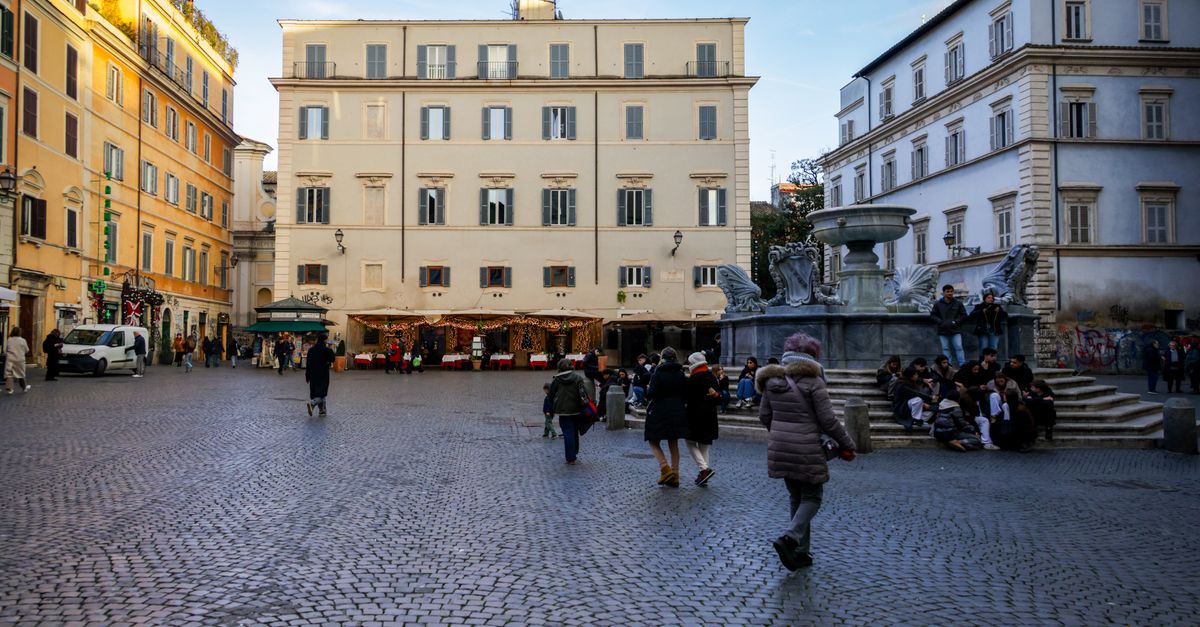
Then Piazza Navona, Campo de' Fiori while the market is still up, lunch, and the Trevi Fountain in the afternoon.
Evening: cross the river to Trastevere. Go before eight or accept a wait.
Day four: the one you actually choose
Three good answers, and they suit different people.
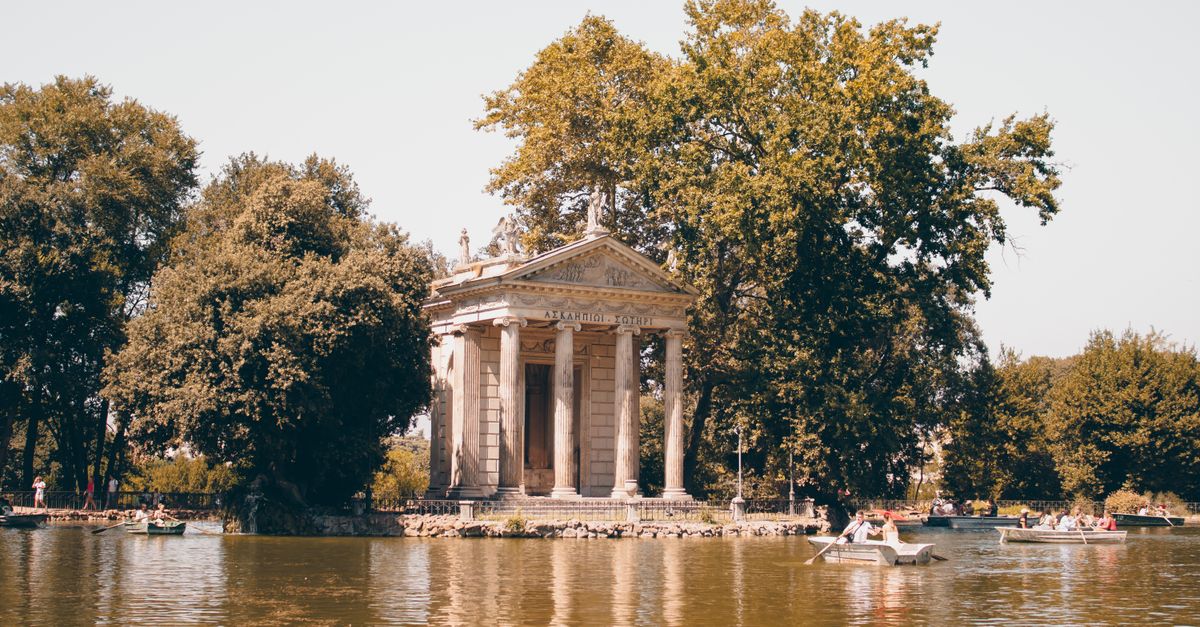
The Borghese Gallery if you want the best art in Rome inside a building of the right size. Booking is compulsory, entry is in fixed two-hour slots, and the ticket is €16 plus a €2 reservation fee. It sells out weeks ahead in spring and autumn. Pair it with the Villa Borghese gardens, where Roman families spend Sunday.
The Appian Way if you would rather be outdoors. On Sundays and public holidays the old road closes to traffic, which is the only time it is genuinely pleasant. Hire a bike near Porta San Sebastiano and ride out past the catacombs.
Ostia Antica if you liked the Forum and want more of it with a tenth of the people. It is a whole Roman town, half an hour on the Roma-Lido line from Piramide, and it is consistently the thing people tell us they wish they had done instead of a second Colosseum ticket.
The transport maths, which is smaller than you think
| Ticket | Price |
|---|---|
| Single, 100 minutes, unlimited surface transfers | €1.50 |
| 24 hours | €8.50 |
| 48 hours | €15.00 |
| 72 hours | €22.00 |
Checked September 2026. Contactless bank cards work at metro turnstiles and on buses, and the reader is smart enough to stop charging you once you pass the day rate.
Children up to ten travel free on buses, trams and the metro within Roma Capitale when they are with a fare-paying adult, which ATAC states plainly. That one rule does more for a family's Rome budget than any pass.
On the Roma Pass: resellers quote €38 for 48 hours and around €62.90 for 72, and the city's own page renders only inside a browser, so we could not confirm either figure against the source and we are not going to print one we did not check. Do the sum it has to beat instead. Four days of walking plus a 48-hour transport pass is €15. Add the Colosseum at €20 and the Borghese at €18 and you are at €53 for things you were doing anyway. If anyone in the party is under 18, most of that is already free and the pass gets very hard to justify.
What to skip
The gladiators outside the Colosseum. Not licensed, and the price is whatever they decide after the photograph.
Any restaurant with a photo menu within 200 metres of a major sight. Not snobbery, arithmetic: rent on those addresses is paid by people who will never come back.
The skip-the-line upsell at the Colosseum. There is no line to skip. Entry is timed and everyone with a ticket goes through the same security. What a third party sells you is a booking, and you can make that yourself for €2.
A second full day at the Vatican. The Museums are one visit. People who book two usually read that the Sistine Chapel is quieter late, which it is, marginally, at the cost of a whole day of Rome.
The paperwork, in one place
Entry rules have the same shape for everyone and a different detail for every passport, so here is the shape and the tool answers your own case.
Short tourist stays only. Checked 21 Aug 2026; rules change without notice and the government page is the source of truth.
Check your own passport →Checked 21 Aug 2026.
Everything we check for Italy →Before you book
Where you sleep decides how much of this you walk and how much you queue for a bus. The Rome where-to-stay guide has the areas, the city tax table and the reason Termini is misjudged. The Rome city guide covers what is in each district and the Italy country guide the wider practicalities. Travelling with children changes this itinerary more than any other single variable, and Rome with kids rebuilds it around that. If Rome is one stop rather than the whole trip, ten days in Italy joins it up, and when to go decides how much of this you do in a queue. Ready to look at rooms? Rome stays are here, and the things to do shelf has the bookable half.
Ticket prices, fares and booking windows checked September 2026. The Pantheon rose to €7 on 1 July and the Trevi basin fee started on 2 February, so treat an older page's figures with suspicion. Here is how we research and re-check guides.