Rome with kids, and the free list nobody adds up
Rome with children from about age five. What actually holds their attention, the free-entry rules that halve the bill, and the sights to skip entirely.
Photo · Ozan Tabakoğlu · Pexels
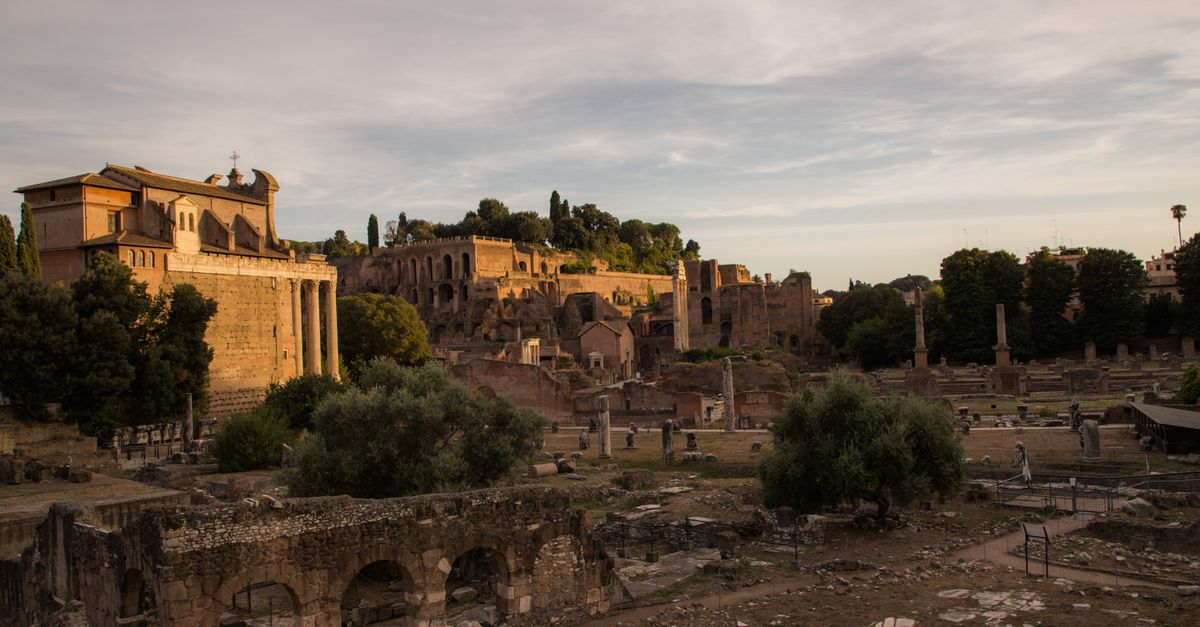
Rome works with children from about five. That is the age at which the Forum stops being a field of broken rock and starts being a story, and it is also the age at which a child can walk the distances this city asks for.
Below five, Rome is still a good trip. It is just a different one: parks, gelato, one sight a day, and no queue longer than a biscuit.
The thing nobody adds up is the money. Under-18s are free at the Colosseum. Under-18s are free at the Pantheon. Under-7s are free at the Vatican Museums and 7 to 18 pay the €10 reduced rate. Under-10s ride the buses and metro free. Under-10s are exempt from the city accommodation tax. Stack those and a family of four sightseeing in Rome pays roughly what two adults pay, which is not true in most of Europe and is not in any of the family guides currently ranking for this question.
Euro. Convert any figure on this page into your own currency at today's published rate.
Open the currency converter →The free list, done as arithmetic
Two adults and two children aged eight and twelve, doing the three big paid sights:
| Sight | Two adults | Two children | Family total |
|---|---|---|---|
| Colosseum, Forum, Palatine | €18 + €2, twice | Free, but €2 booking each | €44 |
| Pantheon | €7, twice | Free | €14 |
| Vatican Museums, online | €25, twice | €10 + €5, twice | €80 |
| Four days of transport | 72h pass, twice | Free | €44 |
€182 for four people for four days, and €80 of that is the Vatican. Drop the Vatican, which is the sight most likely to break a child under about ten anyway, and you are at €102.
The two rules that do the work are worth stating precisely, because they are misquoted constantly. The Colosseum's free entry for under-18s is an age rule, not an EU rule: nobody checks nationality. And the child still needs a booking with the €2 reservation fee, so book the whole family in one transaction thirty days ahead. Parents who book two adult tickets and assume the children walk in free arrive with a problem.
Transport is the other one. ATAC's own answer is that children up to ten travel free on Rome's buses, trams and metro when accompanied by a fare-paying adult.
What actually works
The Colosseum, if you book the right ticket. The standard €18 ticket is enough for under-nines. From about nine, the Full Experience with the underground at €24 is the one that lands, because the underground is where the lifts and the animal cages were and it answers the question every child asks first. It sells out within hours of release, thirty days ahead.
The Palatine before the Forum. Almost everyone does this backwards. Go up the hill first, look down on the whole Forum from the Farnese Gardens, and then walk into it. A child who has seen the map from above will follow the walk. A child dropped straight into the rubble will not.
Explora, the children's museum, in Flaminio. Entry runs in four timed sessions of one hour forty-five minutes, at 10.00, 12.00, 15.00 and 17.00, Tuesday to Sunday and closed Mondays. It is €11 for adults and for children of three and over, €7 for under-36-months, and free under twelve months. It is built for ages 0 to 12 with a separate area for the very small. The rule that surprises people: adults are admitted only with a child, and children only with an adult, so nobody is dropping anyone off. Book the session, because they fill.
The Bioparco, inside the Villa Borghese gardens. And here is where the family guides are simply wrong. Almost every page ranking for this question says "€17 adults, €14 children 3 to 12, under 3 free". The zoo's own ticket page says €19 full, €14 reduced, and the reduced band runs from one metre tall to age ten plus over-65s. Free is under one metre tall. It is a height rule, and it catches tall four-year-olds and short seven-year-olds in opposite directions.
The move nobody publishes: there is a €9 last-minute ticket in the final two hours before closing. Children are usually finished by four in the afternoon anyway, and a short late visit at half price is a better zoo trip than a long one that ends in tears.
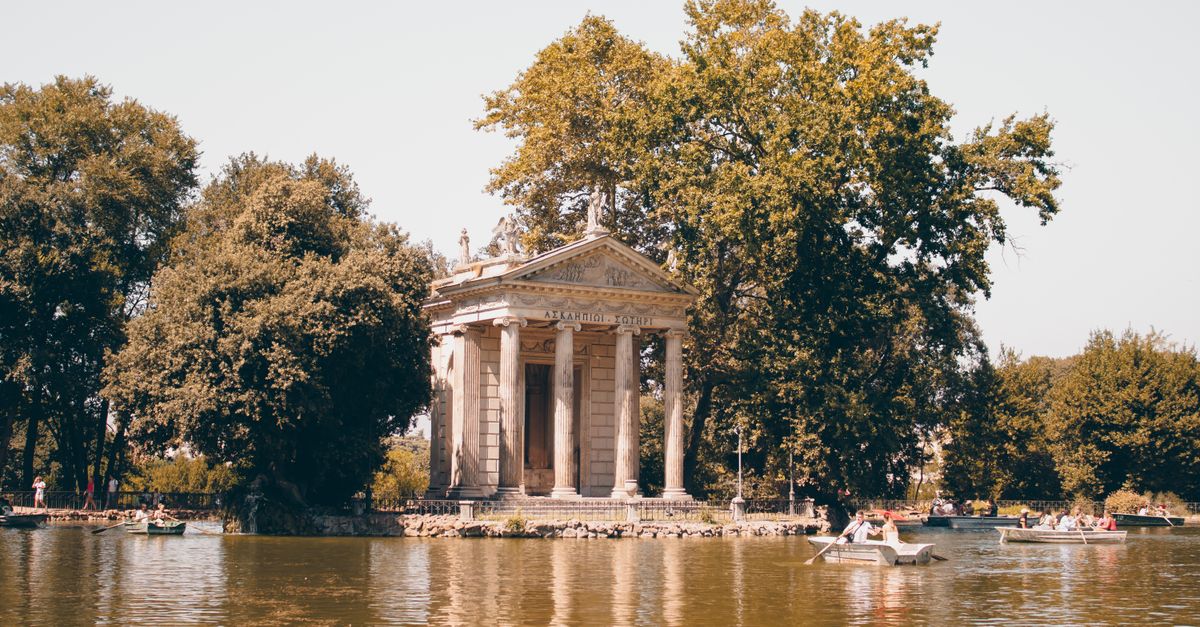
Villa Borghese itself, which is free. Rowing boats on the lake, bikes and four-wheel family cycles for hire at the Pincio end, a small puppet theatre, and enough shade to survive a Roman afternoon. This is the park Roman families actually use, and it is a five-minute walk above the Spanish Steps.
Gelato as a route-planning tool. Not a joke. A named gelateria at the far end of a walk converts a two-kilometre slog into a two-kilometre destination. Rome's rule of thumb: if the pistachio is bright green, walk on. Real pistachio is a dull khaki, and the shops that get that right get everything else right too.
The surfaces, which is the real difficulty
Rome's problem with small children is not the sights. It is the ground.
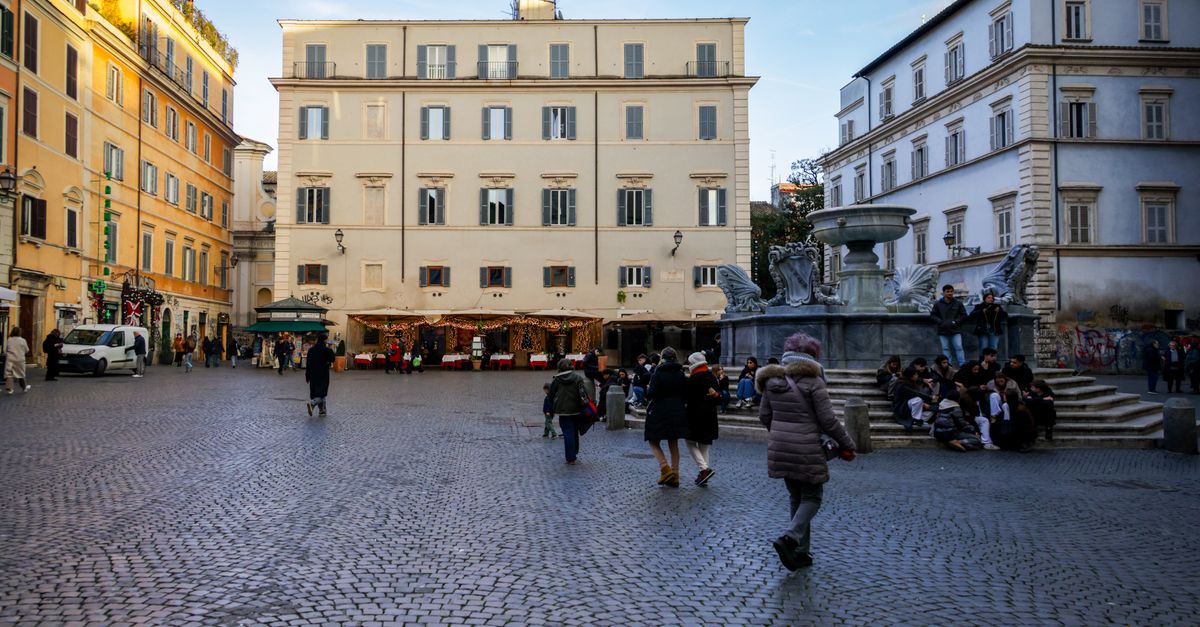
Sanpietrini, the small square basalt setts, cover most of the historic centre. They shake a lightweight umbrella buggy to pieces and they are genuinely unpleasant for a sleeping child. Bring a pram with air-filled or large wheels, or bring a carrier for anyone still light enough to be carried, and accept that you will use it.
Buses have a ramp and a wheelchair-and-pram space, and drivers are used to it. The metro has lifts at most central stations but not all, and the ones at Spagna and Barberini involve long passages. Trams 8 and 19 are step-free at most stops and go where the metro does not.
Heat. From about mid-June to mid-September the middle of the day is not walkable with children, whatever your plan says. Build the day as morning sight, long lunch, indoor or shaded afternoon, evening walk. Every Roman family already does this and it is why the parks fill at six in the evening.
Where to stay with kids
The area that works for families is not the one that works for couples. You want flat ground, a lift, and a supermarket, in that order, and you want to be able to walk home mid-afternoon rather than committing to a full day out.
Prati is the honest answer: quiet, residential, flat, real shops on Via Cola di Rienzo, metro line A at Ottaviano, and ten minutes' walk from the Vatican for the one morning you need it. Monti is the fun answer, close to the Forum and now on two metro lines, but it is hilly and the flats are old, which means stairs. Trastevere is lovely and it is loud until two in the morning, which is a different holiday.
Remember the accommodation tax is per person per night and under-10s are exempt, so a family of four with two young children pays two adults' worth. It is paid at the property, usually in cash, and it is not in the price you were quoted.
Eating with children without surrendering
Rome is easier here than most capitals, because the food children like is the food Rome is best at. Pizza al taglio sold by weight, cut with scissors, is the single most useful lunch in the city: no menu, no waiting, no commitment. Supplì, the fried rice balls, are a bribe that also counts as food.
Two practical notes. Roman restaurants open late, most from half past seven and many from eight, which does not fit a five-year-old. Eat the main meal at lunch and do something small in the evening. And a child's portion is usually just asked for rather than printed on the menu: una porzione piccola gets you one almost everywhere, and half a plate of cacio e pepe costs about half.
The one-day and the three-day versions
One day, ages five and up. Palatine and Forum in the morning from the top down, pizza al taglio, Villa Borghese and the boats in the afternoon, gelato, Trevi in the evening when it is cooler. Skip the Colosseum interior if you did not get a slot: the outside is free and, at six, honestly the better view.
Three days. Day one as above. Day two Explora in the morning session and the Bioparco on the €9 late ticket. Day three the Colosseum underground for over-nines, or the Pantheon and the centre on foot for everyone else, finishing at the nasoni count your child has been keeping.
What to skip with kids
The Vatican Museums under about ten. This is the honest one and it will annoy people. The route is one-way, it is between ninety minutes and three hours before you reach the Sistine Chapel, there is nowhere to sit and no way out early. It is a superb museum and it is the wrong shape for a small child. St Peter's Basilica, which is free, is the bit that actually impresses them.
The Spanish Steps as a destination. You cannot sit on them, which has been enforced since 2019, and a set of stairs you may not sit on is not a thing to show a child. Walk up them on the way to the park.
The Mouth of Truth queue. Forty minutes for a photograph of a hand in a drain cover. Walk past, tell them the story, keep walking.
Any tour longer than ninety minutes. Including the good ones. The constraint is the child, not the guide.
Checked 21 Aug 2026.
Everything we check for Italy →Before you book
The Rome where-to-stay guide has the full area breakdown and the city tax table, and Rome in four days is the adult version of this route with the ticket release calendar you will need either way. The Rome city guide covers the districts and the Italy country guide the practicalities. If Rome is one stop, ten days in Italy joins it to Florence and the coast, and the rest of the family guides work the same way: age band first, logistics second. When to go matters more with children than without, because the heat decides the shape of the day. Ready to look at rooms? Rome stays are here, and the things to do shelf has what is bookable.
Ticket prices, session times and free-entry rules checked September 2026 against the venues' own pages. The Bioparco's reduced band is defined by height as well as age, and the Pantheon rose to €7 on 1 July, so older family guides are quoting figures that no longer hold. Here is how we research and re-check guides.