Where to stay in Florence, where the whole centre is a twenty-minute walk
Florence's historic centre crosses in twenty minutes, so location matters less than people think. What matters instead is the river, the ZTL and the noise.
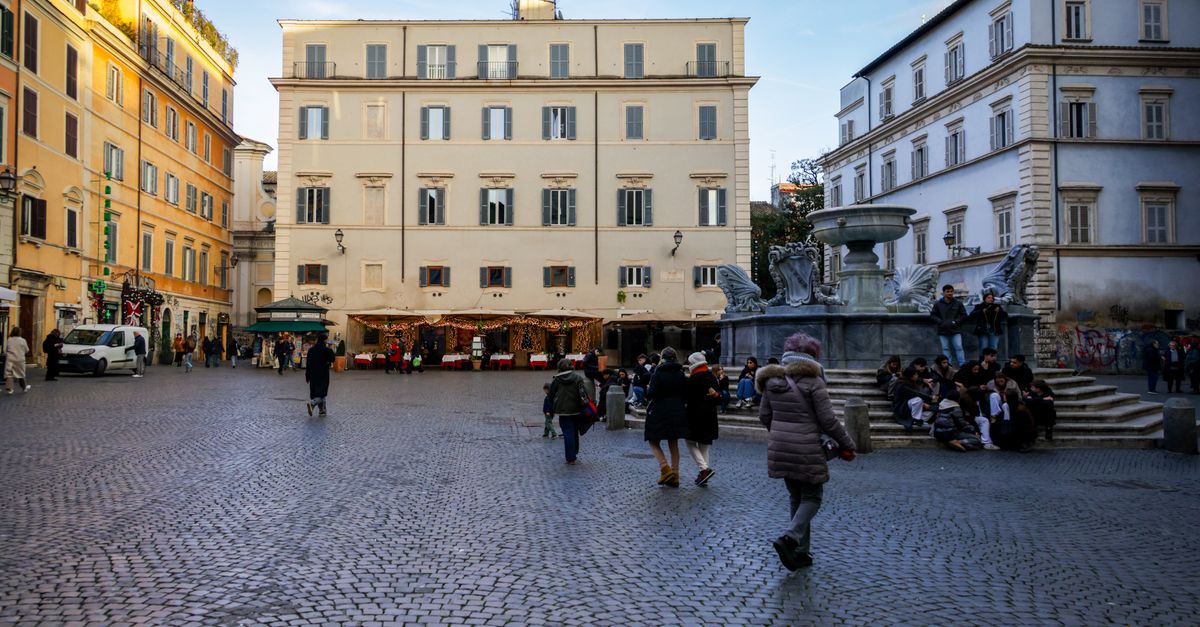
Photo · Phil Evenden · Pexels
Florence has a feature that ought to make this an easy decision and rarely does, because guides keep writing about it as though it were Rome.
You can cross the historic centre in about twenty minutes.
The Duomo, the Uffizi, the Ponte Vecchio, Santa Croce and the Accademia are all within ten minutes of each other on foot. Location, in the sense of distance, is almost irrelevant here.
What actually matters is three things: which side of the river you are on, how much noise you are prepared to sleep above, and whether you have a car.
Euro. Convert any figure on this page into your own currency at today's published rate.
Open the currency converter →The tax, and the parking that costs more than it
Florence charges about €1 to €5 per person per night, by star rating, collected at the property rather than included in what you booked.
It is a flat nightly fee rather than a percentage, which puts it in the same family as Prague's and the opposite of Amsterdam's 12.5% or Berlin's 7.5%. A flat fee is gentle on an expensive room and stings on a long stay.
The bigger number, if you are driving, is the parking. The centro storico is a ZTL, a limited traffic zone enforced by camera. Drive into it without a permit and the fine reaches you months later through your hire company, with the hire company's administration fee on top. Most hotels can arrange garage parking, and it typically runs €30 to €50 a night, which over five nights is more than the tourist tax for a family.
The conclusion most people should draw: do not bring a car to Florence. Take the train, and hire a car afterwards for Tuscany if you want one, from a location outside the zone.
The areas
The Oltrarno, and this is the answer
Across the Arno, on the south bank, five to ten minutes from the Duomo over the Ponte Vecchio or the Ponte Santa Trinita.
It is where Florentines live. The artisan workshops that made this city what it is are still in Santo Spirito and San Frediano, the restaurants are aimed at residents, and the Boboli Gardens and Palazzo Pitti are on this side.
What it costs: noticeably less than the equivalent room on the north bank, with mid-range properties running roughly €150 to €225 and the smarter palazzo conversions €300 to €450.
The catch: the Piazza Santo Spirito is a genuinely lively square at night, which is either the reason to book it or the reason to book two streets away.
Santa Croce, for the north bank without the Duomo price
East of the centre around the basilica, central and convenient and noticeably less touristed than the streets around the cathedral. The Sant'Ambrogio market is here and it is the better of the two food markets.
What it costs: mid-range around €150 to €200, smarter around €250.
San Lorenzo and San Marco, for value and the Accademia
North of the Duomo, around the central market and the Medici chapels, and closer to the Accademia and the David than anywhere else. Well connected to the station, which matters if you are arriving by train with luggage.
Best for: value, and a short trip built around the museums. The catch: the streets immediately around the San Lorenzo market stalls are scruffy and busy by day.
Around the Duomo, for the view
You are in it, and it is the most expensive and the busiest address in the city. The streets around the cathedral fill from about nine in the morning and do not empty until late.
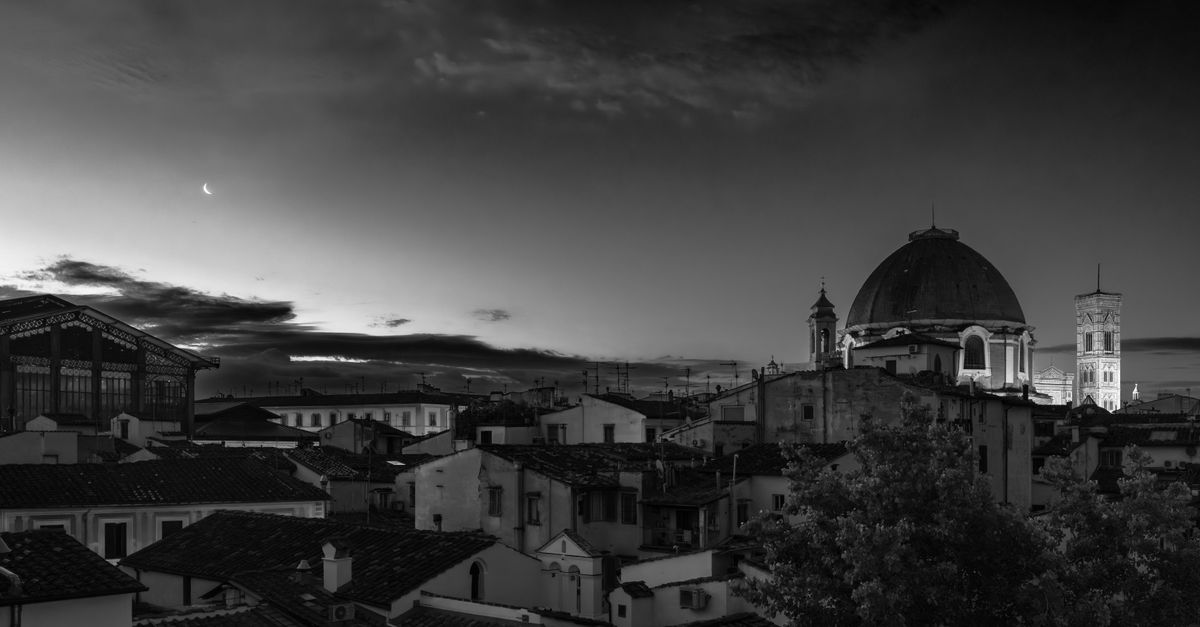
Worth it if a room with a view of Brunelleschi's dome is the thing you will remember, which for some people it genuinely is. Not worth it on a longer stay, when everywhere else is ten minutes away.
Outside the walls, and why we would not
Florence has cheaper neighbourhoods beyond the historic centre and, unusually among Italian cities, we would mostly not send you to them for a short trip. The centre is small enough that being in it is not a luxury, and the tram and bus network is less useful than Rome's or Milan's.
The exception is Fiesole, up the hill, which is a genuine destination with a view over the whole city and a twenty-minute bus ride, and is lovely for a longer stay in summer when the centre is hot.
Two booking notes that decide the trip
The Uffizi and the Accademia need timed tickets, booked ahead, and in spring and autumn the good morning slots go days out. Book those before you book dinner.
The Duomo complex is one ticket, not several. Climbing the dome requires a separate timed reservation on top of the complex ticket, and it sells out earliest of everything. It is 463 steps, there is no lift, and the last stretch is a narrow spiral between the two shells of the dome, which is worth knowing if anyone is claustrophobic.
Where not to stay
Directly beside the station at Santa Maria Novella, which is well connected and surrounded by very little.
Anywhere requiring you to drive into the ZTL. Confirm with the hotel how they handle it before you arrive, in writing.
A room facing the Piazza della Signoria or Santo Spirito unless you are untroubled by noise.
Outside the centre to save money on a three-night trip. The saving is small and the centre is the product.
When to go
Late April to mid-June and September into October are the two good windows, and early October is the best week of the Italian year.
July and August are hot in a way Florence feels particularly badly, because it sits in a bowl and the stone holds the heat. Add the Ferragosto fortnight, when a large share of the family-run restaurants close, and mid-August is the worst two weeks to be here.
November to February is cheap, quiet and genuinely good: the museums have space in them and the city belongs to the people who live in it.
The paperwork
Short tourist stays only. Checked 21 Aug 2026; rules change without notice and the government page is the source of truth.
Check your own passport →Checked 21 Aug 2026.
Everything we check for Italy →Before you book
Ten days in Italy is the route Florence sits in the middle of, and the best time to visit Italy covers the Ferragosto closures and the Venice access fee, both of which shape an Italian trip more than the accommodation does. Where to stay in Rome is the comparison at the other end, with a very different tax structure and a much larger city, and Rome in four days is the route there. Heading south afterwards? The Amalfi Coast towns explains why you should not hire a car for that coast either. The Florence city guide and the Italy country guide have the practicalities, and there is more in the where to stay hub. Ready to look at rooms? Florence stays are here, and the things to do shelf has the bookable half.
Tax bands, parking costs and room bands checked September 2026. The ZTL boundaries and permitted hours are set by the city and published by the comune, and hire-car fines arrive months after the fact with an administration charge attached, so confirm your hotel's arrangement in writing before you drive anywhere near the centre. Here is how we research and re-check guides.