Where to travel in September, the month the sea is finally warm
September gives you August's sea without August's crowds, and the prices fall from about the 10th. Eight destinations, one wildcard, three to avoid.
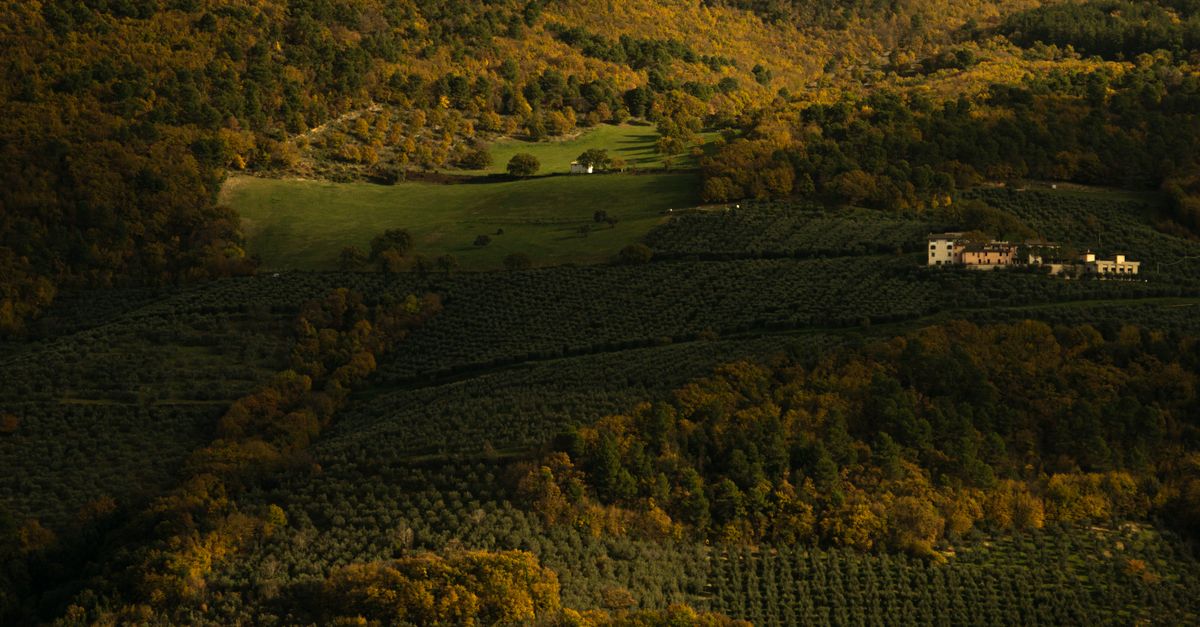
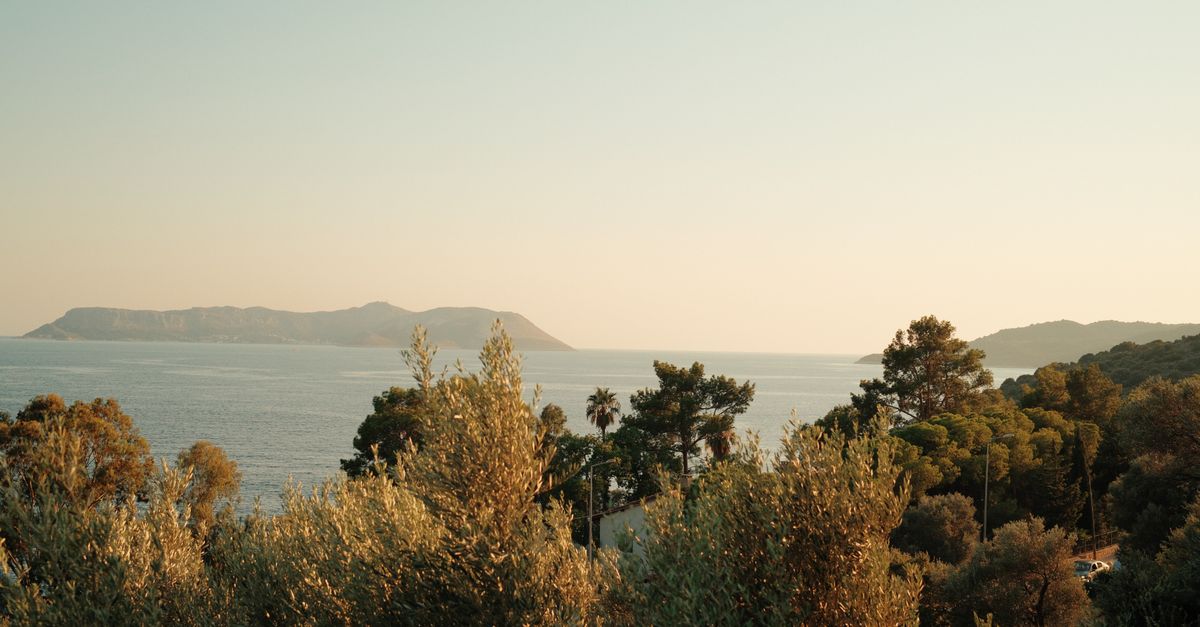
Photo · Büşranur Aydın · Pexels
September is the month the Mediterranean is at its best, and most people spend it at work.
The sea lags the air by about two months. It peaks in late August and September and holds into early October, which means September swimming beats June swimming everywhere in southern Europe, and nobody books it that way. Meanwhile the northern school terms restart in the first week, so rates fall from roughly the 10th while the weather barely moves.
That is the whole argument. The eight below are ranked by how much of it they capture.
The eight
1. Greece and the Aegean, and this is the answer
Everything lines up at once. The sea is at its annual warmest, the meltemi wind that makes July and August ferry days unpleasant has dropped away, the islands are still fully open on summer timetables, and the crowds have gone.
The sequencing within the month matters. The first ten days are still August-priced. The second and third weeks are the sweet spot. From about the 25th the smaller islands start thinning their ferry schedules, so a multi-island plan in the last week needs the timetables checked rather than assumed.
Skip Santorini in September if you are going for the swimming. It has the view and very little accessible beach, and the crowd density is the last thing to fall. The Greek calendar and the seven-day route have the alternatives, and our Athens areas guide covers the mainland end.
2. Italy, from the second week
The heat breaks, the harvest starts, and Italian domestic holidays finish with August, which changes the coast completely.
The south holds longest. Sicily, Puglia and the Cilento are swimmable through September and into October, while Rome and Florence become walkable at midday again for the first time since May. The Italian calendar has the regional splits and the ten-day route is easier to run in September than in any other month with warm weather in it.
The catch: the first week is still expensive, and Venice, Florence and Rome never actually get quiet, they only get bearable.
3. Portugal, at its warmest
Portugal's sea is cold in every month, and September is the month it is least cold. That is a genuine reason to prefer it: the Atlantic peaks now, the interior heat has broken, and the light is at its best.
The Douro harvest runs from about mid-September, which is the one time of year the wine country is working rather than performing. The Portuguese seasons and the ten-day route cover the north-to-south sequencing.
4. Turkey, coast and interior together
September is the only month where the Turkish coast, Istanbul and Cappadocia are all simultaneously comfortable. The Aegean and Mediterranean water is at its warmest, Istanbul has come off its August humidity, and the Cappadocian plateau has cooled to the point where the balloon flights are reliable rather than weather-dependent.
The catch: it is still hot inland in the first ten days, and the eastern interior stays hot longer. The Turkish calendar has the regional detail and the ten-day route is built for this month.
5. Croatia and the Dalmatian islands
The Adriatic is at its warmest, the cruise volume drops after the first week, and the island ferries run on summer frequencies until roughly the end of the month.
The date to know: the shoulder timetable comes in around the start of October, so a September island plan works and an October one needs checking. That single fact is the difference between a smooth week and a stranded afternoon. The Croatian calendar and the seven-day route both cover it.
6. Peru, at the end of the dry season
The Andean dry season runs to about the end of September, so this is the last reliable month for Cusco, the Sacred Valley and the high trekking routes, and it is quieter and cheaper than the June to August peak.
The catch is altitude, not weather. Cusco sits well above 3,000m and the acclimatisation days are not optional. Our Peru route builds them in, which is the main reason it is ten days rather than seven.
7. Northern Vietnam, for the rice harvest
Mid-September to early October is when the terraces around Sapa and Mu Cang Chai turn gold and get cut. It is a two-week window and it is the single best thing to see in northern Vietnam.
Hanoi and Ha Long are coming out of their wet season into the good half of the year, so the north pairs well.
And the warning that has to travel with it: the centre of the country is at its worst in exactly these weeks. Hue, Da Nang and Hoi An take their heaviest rain and their typhoons from September through November. The Vietnamese calendar explains why a country-wide September itinerary is a mistake, and the two-week route sequences around it.
8. Montenegro, the wildcard
The Bay of Kotor in September is what people imagine the Amalfi Coast is: warm sea, mountains straight out of the water, and a fraction of the price and the crowd.
The cruise calls taper after the first week, the water is at its warmest, and the Durmitor mountains inland are at their best walking temperature at the same time, which is a combination the rest of the Adriatic cannot match in a single country this small.
The honest note: Kotor and Budva are not cities in our catalogue, so the room shelf below is Podgorica, which is the capital and about ninety minutes inland. It is not where you would stay for the bay, and we would rather say so than show you the wrong list.
What to avoid in September
Japan. This is the one that costs people a trip. September is the peak month of the Japanese typhoon season, and even without a landfall, Tokyo and Kyoto are hot and humid with the autumn colour still two months out. There is no version of September that beats the same trip in late October or November, and the Japanese calendar shows the gap clearly.
There is one small consolation for 2027: there is no Silver Week. Respect for the Aged Day falls on Monday 20 September 2027 and the autumn equinox on Thursday the 23rd, with two working days between them, so no long domestic weekend forms. That removes a crowd, not a typhoon.
The Caribbean and the western Atlantic. The hurricane season reaches its statistical peak around 10 September, which the US hurricane centre's own climatology shows plainly. Cheap for a reason.
Central Vietnam. Covered above. Not a marginal call.
Thailand's Andaman coast. September is normally the wettest month of the year on the Phuket and Krabi side. The Gulf islands are drier but entering their own wet stretch in October, so Thailand has no good coast this month.
The school-holiday note
September's price curve is almost entirely a school calendar. Northern terms restart in the first week, and European fares and room rates drop noticeably from about the 10th while nothing changes about the weather. That ten-day lag is the cheapest reliable trick in the European travel year.
Southern-hemisphere spring breaks land in the last week of September and the first of October in Australia and New Zealand, which lifts the Bali, Fiji and Queensland routes at the end of the month.
The practical read: book the second and third weeks. The first is August prices, and the last is the shoulder timetables starting to bite.
Before you book
October is the month with the most destinations simultaneously at their peak; September is the month with the warmest sea. If the trip involves swimming, this is the one. June is the opposite trade.
The when to go hub collects the seasonal guides and the September month page rates the whole catalogue for this month. Prices are in each destination's own currency and the converter does the rest.
Season and storm-climatology dates checked September 2026 against the US National Hurricane Center and Japan's public holiday calendar. Sea temperatures, harvest weeks and ferry timetable changes are averages rather than commitments, so confirm the specific week before booking.