The best time to visit Turkey, decided by the thing you came for
The best time to visit Turkey by region, with the month-by-month odds that a Cappadocia balloon actually flies and the shoulder seasons that cost least.
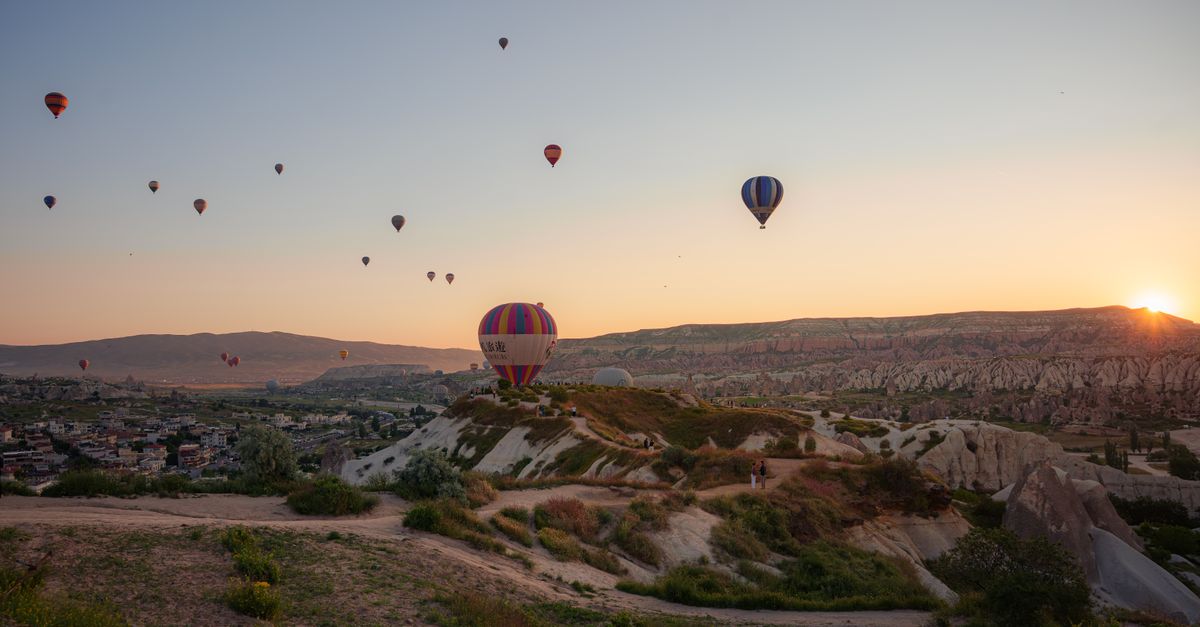
Photo · Julia Volk · Pexels
Turkey has one of the more genuinely divided answers to this question, because the best month for Istanbul and the best month for Cappadocia's balloons are not the same month.
For the cities and the interior: April, May, September and October. For the balloons: June to September. For the coast: July and August, which is exactly when nobody recommends the rest of the country.
Turkish lira. Convert any figure on this page into your own currency at today's published rate.
Open the currency converter →The balloon table, which is the real answer for most people
Most people going to Turkey are going, at least in part, for the Cappadocia balloons. They are cancelled far more often than the photographs suggest, and the rate is strongly seasonal.
| Roughly | |
|---|---|
| Across the year | about 35% of mornings do not fly |
| January | about 71% cancelled |
| June to September | success often above 85% |
The Turkish Civil Aviation Authority makes the call at dawn on surface and altitude winds and visibility. No operator can promise you a flight, whatever the booking page implies.
So the arithmetic on how many mornings you need:
| Nights in Cappadocia | Year-round chance | In January |
|---|---|---|
| One morning | 65% | 29% |
| Two mornings | 88% | 50% |
| Three mornings | 96% | 64% |
Three nights in Cappadocia rather than two takes you from a good chance to near certainty, and book the flight for your first morning so a cancellation leaves you two more attempts. Turkey in 10 days builds the route around this. The civil aviation authority is the body that authorises each morning's flights, which is worth knowing when an operator tells you the weather is fine.
The uncomfortable conclusion: if the balloons are the point of the trip, go in September, which is the one month that is good for the balloons, good for Istanbul and good for the coast at once.
Istanbul, month by month
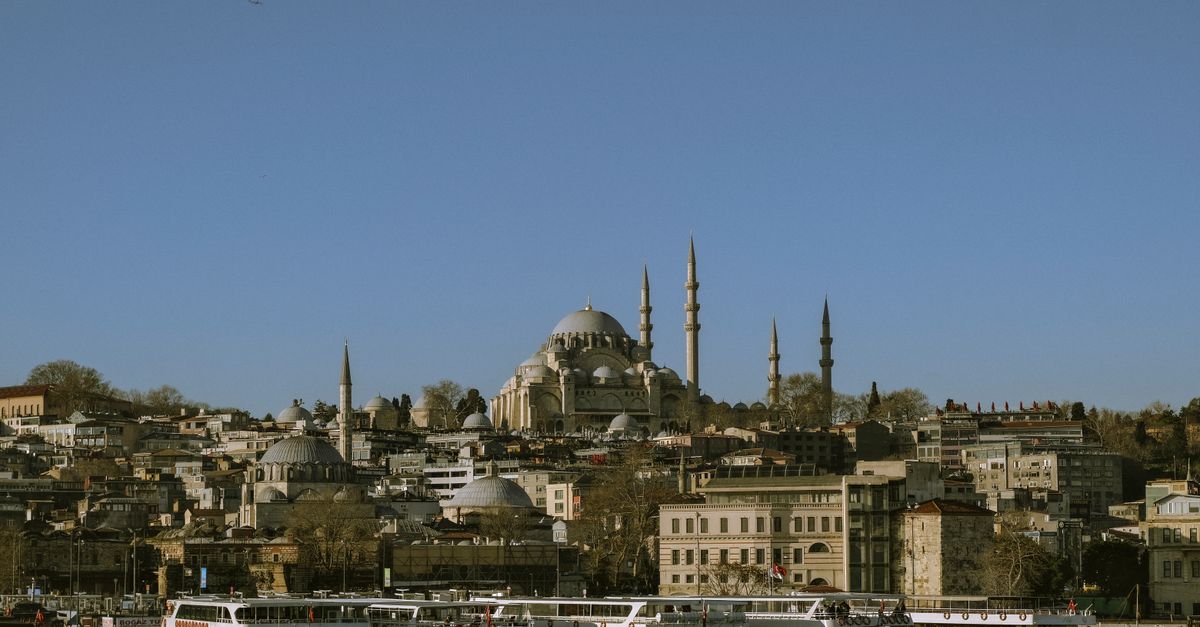
April to June and September to October are the sweet spot: 17 to 27 degrees, manageable humidity, and the light on the Bosphorus at its best. April brings the tulip festival, which is a bigger event than visitors expect.
July and August are hot and sticky, with 29 degree highs and humidity around 66 to 68 per cent. A day of walking the historic peninsula in that is draining, and the peninsula has very little shade.
December to February sits around 8 to 12 degrees. That is cool rather than cold, and it is the cheapest and emptiest time to visit by a distance. The queues at Hagia Sophia and Topkapı thin out substantially, the city carries on exactly as normal, and the Bosphorus in low winter light beats the August haze. It rains.
Three days in Istanbul is the route, and where to stay in Istanbul has the neighbourhoods.
The regions, which do not share a climate
Istanbul and the Marmara: temperate, humid, four seasons. Best in spring and autumn.
The Aegean and Mediterranean coasts (Izmir, Bodrum, Antalya): warmer winters and higher rainfall than the interior, and a long swimming season. May, June, September and October are the best months here, with July and August the peak in every sense.
The interior (Cappadocia, Konya, Ankara): hot arid summers and cold winters, and the winters get harsher the further east you go. Cappadocia in snow is genuinely beautiful and it is also when the balloons fly least.
The east and the north-east: the harshest winters in the country, and a short, spectacular summer.
The Black Sea coast is the wet one, green and misty, and its summer is the season for it.
Where the money is
Shoulder season is the value answer: April, and October to November, when prices and crowds both drop while the weather is still workable.
November to March has the lowest trip costs overall. For Istanbul that is a genuinely good trade. For Cappadocia it is the season with the worst flying odds.
Dates worth planning around
Ramadan 2027 is expected to run from about 8 February to 8 March, with Eid al-Fitr around 9 March, both subject to the crescent sighting the evening before, so the dates can move by a day.
Turkey is a secular state and daytime restaurant service continues normally in tourist areas. What changes is that hours shift, mosques are busier and visitor access to them is more restricted around prayer times, and the evenings after sunset are the best of the year to be out.
Eid itself is a public holiday and domestic travel is heavy in both directions, so book internal flights early if your dates cross it.
The tulip festival in Istanbul runs through April, and it fills the parks of the city with several million bulbs.
Short tourist stays only. Checked 21 Aug 2026; rules change without notice and the government page is the source of truth.
Check your own passport →Checked 21 Aug 2026.
Everything we check for Turkey →Picking a month for a specific trip
Istanbul only: April, May, September, October. Or January for the prices and the empty museums, if you do not mind rain.
Istanbul plus Cappadocia: September, which is the only month that is good for both.
Cappadocia balloons above all else: June to September, and give it three nights.
A beach holiday: June to September on the Mediterranean coast, and the sea stays warm into October.
Ephesus, Pamukkale and the classical sites: April to May and October. They are unshaded and July there is punishing.
Skiing: the resorts at Uludağ and Palandöken run January to March.
What to skip
Cappadocia in January if the balloons are why you are going. Seven mornings in ten do not fly.
Two nights in Cappadocia in any month.
Istanbul's historic peninsula in the middle of an August day.
The interior in July, unless you are going for the emptiness.
Assuming the coast follows Istanbul's calendar. It does not; the coastal season is longer at both ends.
Booking a balloon on your last morning.
Before you book
Turkey in 10 days is the route with the balloon arithmetic built into it, and three days in Istanbul covers the city, including the ticket the Museum Pass does not include. Where to stay in Istanbul has the neighbourhoods. Greece in 7 days and the best time to visit Greece cover the country across the Aegean with a very similar climate, and the best places to travel in 2027 has where Turkey sits next year.
The Istanbul city guide and the Turkey country guide carry the practicalities, and there is more in the when to go hub.
Cancellation rates and temperature ranges checked September 2026. Ramadan dates move with the crescent sighting and balloon flights are authorised each morning, so Turkey's own tourism portal and the operator on the day are better sources than any guide, this one included.