Istanbul
Two continents, one city, and the ferry between them costs less than a coffee. Byzantine mosaics, Ottoman domes, and a breakfast that takes two hours.
Istanbul in eight slides
Wikipedia · 3 Sep 2026


Things to do in Istanbul
Where to stay in Istanbul
Istanbul in a day, two days, three
Landmarks in Istanbul

The Basilica Cistern, or Cisterna Basilica, is the largest of several hundred ancient cisterns that lie beneath the city of Istanbul, Turkey. The cistern, located 150 metres (490 ft) southwest of the Hagia Sophia on the historical peninsula of Sarayburnu, was built in the 6th century during the reign of Byzantine emperor Justinian I. Today, it is kept with little water for public access inside the space.
Wikipedia · CC BY-SA 4.0 · 24 Jul 2026
Diego Delso · CC BY-SA 4.0

The Sultan Ahmed Mosque, popularly known as the Blue Mosque, is an Ottoman-era historical imperial mosque located in Istanbul, Turkey. It was constructed between 1609 and 1617 during the rule of Ahmed I. It attracts a large number of tourists and is one of the most iconic and popular monuments of Ottoman architecture.
Wikipedia · CC BY-SA 4.0 · 1 Aug 2026
Pedro Szekely from Los Angeles, USA · CC BY-SA 2.0
The Galata Tower, officially the Galata Tower Museum, is a medieval Genoese tower in the Galata part of the Beyoğlu district of Istanbul, Turkey. Built as a watchtower at the highest point of the mostly demolished Walls of Galata, the tower is now an exhibition space and museum, and a symbol of Beyoğlu and Istanbul.
Wikipedia · CC BY-SA 4.0 · 30 Jul 2026
The Grand Bazaar in Istanbul is one of the largest and oldest covered markets in the world, with 61 covered streets and over 4,000 shops on a total area of 30,700 m2, attracting between 250,000 and 400,000 visitors daily. In 2014, it was listed No.1 among the world's most-visited tourist attractions with 91,250,000 annual visitors.
Wikipedia · CC BY-SA 4.0 · 2 Jul 2026

Hagia Sophia, officially the Hagia Sophia Grand Mosque, is a mosque and a major cultural and historical site in Istanbul, Turkey. It was formerly a church (360–1453) and a museum (1935–2020).
Wikipedia · CC BY-SA 4.0 · 28 Aug 2026
Adli Wahid · CC BY-SA 3.0

The Topkapı Palace or the Seraglio, is a large museum and library in the east of the Fatih district of Istanbul in Turkey. From the 1460s to the completion of Dolmabahçe Palace in 1853, it served as the administrative center of the Ottoman Empire, and was the main residence of its sultans.
Wikipedia · CC BY-SA 4.0 · 26 Jul 2026
Carlos Delgado · CC BY-SA 3.0
The Basilica Cistern, or Cisterna Basilica, is the largest of several hundred ancient cisterns that lie beneath the city of Istanbul, Turkey. The cistern, located 150 metres (490 ft) southwest of the Hagia Sophia on the historical peninsula of Sarayburnu, was built in the 6th century during the reign of Byzantine emperor Justinian I. Today, it is kept with little water for public access inside the space.
Wikipedia · CC BY-SA 4.0 · 24 Jul 2026
Diego Delso · CC BY-SA 4.0
The Sultan Ahmed Mosque, popularly known as the Blue Mosque, is an Ottoman-era historical imperial mosque located in Istanbul, Turkey. It was constructed between 1609 and 1617 during the rule of Ahmed I. It attracts a large number of tourists and is one of the most iconic and popular monuments of Ottoman architecture.
Wikipedia · CC BY-SA 4.0 · 1 Aug 2026
Pedro Szekely from Los Angeles, USA · CC BY-SA 2.0
The Galata Tower, officially the Galata Tower Museum, is a medieval Genoese tower in the Galata part of the Beyoğlu district of Istanbul, Turkey. Built as a watchtower at the highest point of the mostly demolished Walls of Galata, the tower is now an exhibition space and museum, and a symbol of Beyoğlu and Istanbul.
Wikipedia · CC BY-SA 4.0 · 30 Jul 2026
The Grand Bazaar in Istanbul is one of the largest and oldest covered markets in the world, with 61 covered streets and over 4,000 shops on a total area of 30,700 m2, attracting between 250,000 and 400,000 visitors daily. In 2014, it was listed No.1 among the world's most-visited tourist attractions with 91,250,000 annual visitors.
Wikipedia · CC BY-SA 4.0 · 2 Jul 2026
Hagia Sophia, officially the Hagia Sophia Grand Mosque, is a mosque and a major cultural and historical site in Istanbul, Turkey. It was formerly a church (360–1453) and a museum (1935–2020).
Wikipedia · CC BY-SA 4.0 · 28 Aug 2026
Adli Wahid · CC BY-SA 3.0
The Topkapı Palace or the Seraglio, is a large museum and library in the east of the Fatih district of Istanbul in Turkey. From the 1460s to the completion of Dolmabahçe Palace in 1853, it served as the administrative center of the Ottoman Empire, and was the main residence of its sultans.
Wikipedia · CC BY-SA 4.0 · 26 Jul 2026
Carlos Delgado · CC BY-SA 3.0
From the airport
When to go to Istanbul: Apr or May or Sep or Oct
Guides about Istanbul
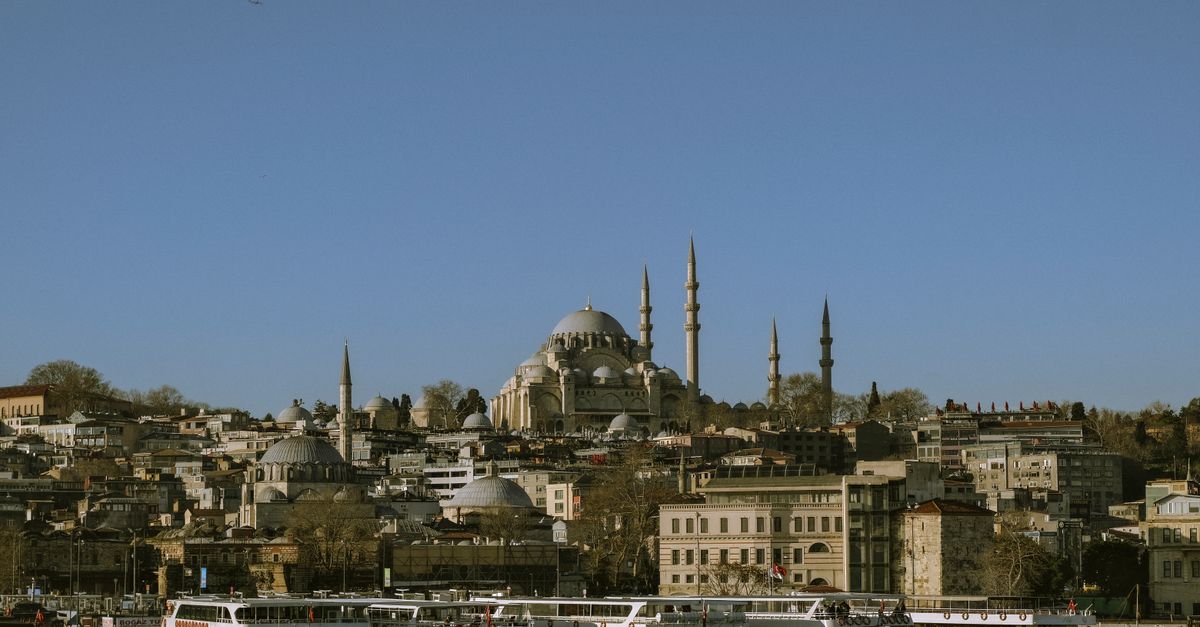
Three days in Istanbul across both continents, with the €25 Hagia Sophia ticket the Museum Pass excludes and the metro that reaches the airport.
Yasmine Belkacem · 2 Sep 2026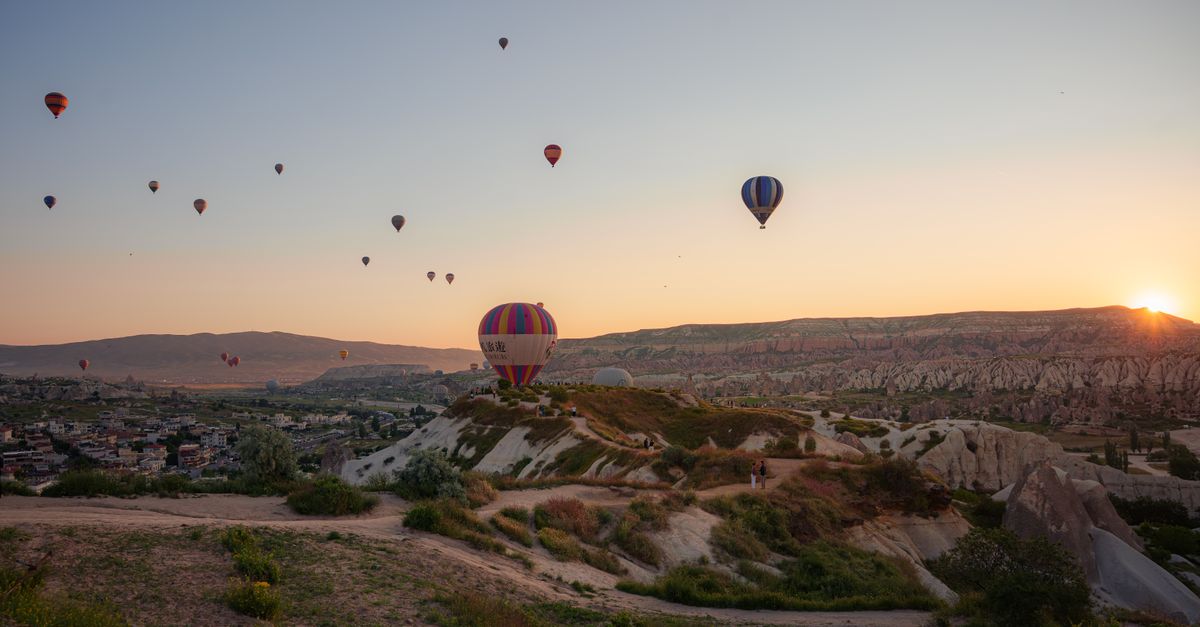
Istanbul, Cappadocia and the Aegean in 10 days. Why one balloon morning is a coin flip, and how many nights it actually takes to fly.
Yasmine Belkacem · 2 Sep 2026Sultanahmet is not the trap everyone claims for a short trip. Which Istanbul area suits your stay, the new airport metro, and where there is no rail.
Yasmine Belkacem · 1 Sep 2026
The best time to visit Turkey by region, with the month-by-month odds that a Cappadocia balloon actually flies and the shoulder seasons that cost least.
Yasmine Belkacem · 4 Sep 2026