Peru in 10 days, climbing slowly and booking Machu Picchu first
Lima, Arequipa and Cusco in 10 days, gaining altitude in the right order. Plus the 2026 Machu Picchu rule that caught the Inca Trail out.
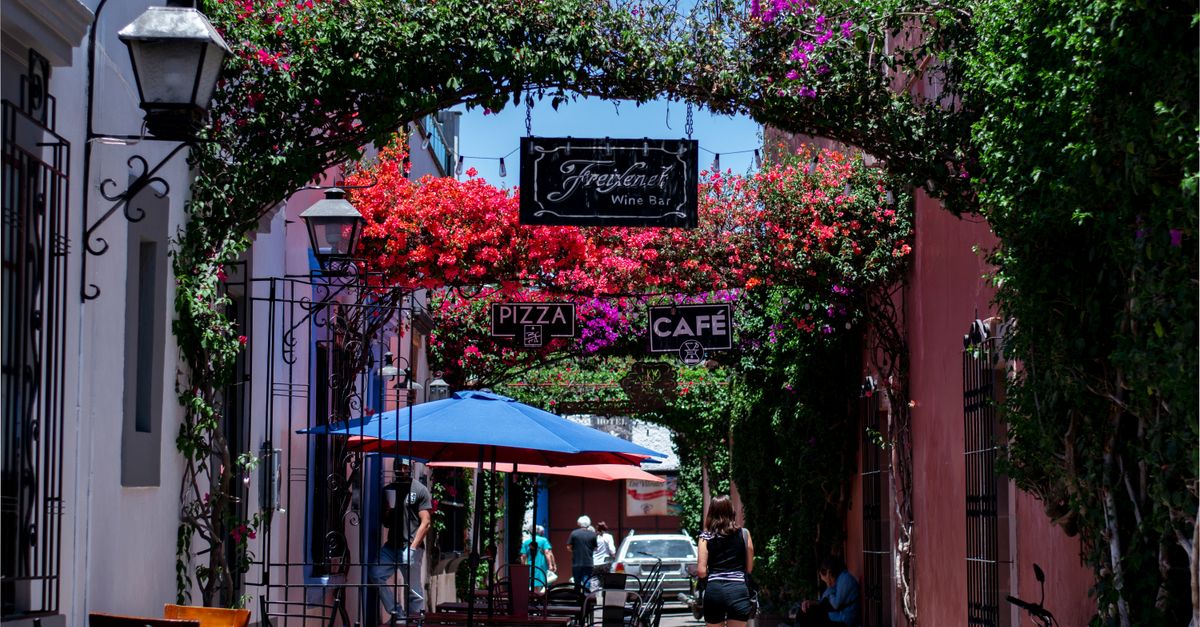
Photo · Everson vera cervantes · Pexels
Ten days in Peru is a climbing problem before it is an itinerary. Lima two nights at sea level, Arequipa three at 2,335 metres, the Sacred Valley and Cusco four at 2,800 to 3,400, Machu Picchu on day nine.
That order is the whole trick, and it is the opposite of what most people book, which is a direct flight from Lima to Cusco and a 4am tour on the second morning.
The other thing to do before anything else is buy the Machu Picchu ticket, because the rules changed in 2026 and the change caught out the people who had planned furthest ahead.
Peruvian sol. Convert any figure on this page into your own currency at today's published rate.
Open the currency converter →What changed at Machu Picchu in 2026
Machu Picchu now runs on a circuit system with daily caps, and 2026 brought a change that a lot of trekking operators had not priced in.
The Inca Trail permit no longer includes the Machu Picchu entrance ticket. Until 2026 the permit covered both. Now they are two separate purchases, and anyone finishing the trail enters exclusively through Circuit 3B, the Machu Picchu Realeza route.
The rest of the current rules, checked September 2026:
- Daily capacity is about 4,500 tickets in low season and up to 5,600 at peak, divided across three circuits.
- 2026 tickets went on sale on 17 November 2025. The release is staggered, so the useful habit is to know the date your window opens rather than to keep checking.
- Buy on the government's own platform, tuboleto.cultura.pe, not from a reseller, unless you specifically want a guided package.
- Entry is tied to the time printed on your ticket, with a 30 minute grace period, and there is no re-entry. If you leave to use the toilets outside the gate, that is your visit.
- The Inca Trail closes every February for maintenance.
The circuits are not interchangeable, and this is where people get caught. A circuit determines which parts of the citadel you actually walk and whether you can add Huayna Picchu or Machu Picchu Mountain. Read what your circuit includes before you buy it, because you cannot change it on the day.
Days 1 and 2: Lima
Two nights at sea level, and it is not a formality.
Day 1: Barranco and Miraflores, the two coastal districts where you will be staying, and the clifftop walk between them at sunset.
Day 2: the Centro Histórico in the morning, the Larco Museum in the afternoon, which is the best introduction to pre-Columbian Peru you will get before you see any of it in the ground, and dinner somewhere serious. Lima is one of the strongest restaurant cities in the world and this is the night for it.
Days 3 to 5: Arequipa, and the first step up
Fly south, about an hour and a half. Arequipa sits at 2,335 metres, which is the point: it is high enough to start adapting and low enough not to hurt.
Day 3: the Santa Catalina Monastery, which is a walled city within the city and takes two hours, and the white volcanic stone centre around it.
Day 4 and 5: the Colca Canyon, usually as an overnight. Andean condors at the Cruz del Cóndor in the early morning, terraced villages, and hot springs. The canyon road tops 4,900 metres at the pass, which is a taste of what Cusco will ask of you.
Days 6 to 9: the Sacred Valley, then Cusco
Fly or take the long bus to Cusco, and do not stay in Cusco on your first night. Go straight down into the Sacred Valley, which sits around 2,800 metres, six hundred metres lower than the city.
Day 6: Pisac, the ruins above the town and the market below them.
Day 7: Ollantaytambo, which is both a spectacular terraced site and the only Inca town still lived in on its original street plan, and where your train leaves from. Maras and Moray in the afternoon if you have energy.
Day 8: up to Cusco itself, now properly acclimatised. Qorikancha, San Blas, the San Pedro market, and Sacsayhuamán on the hill above town in the late afternoon.
Day 9: Machu Picchu. Train from Ollantaytambo, or from Cusco with the road transfer, then the bus up from Aguas Calientes. Whichever circuit you hold, be at your entry gate early rather than at the grace-period edge.
Day 10: back to Cusco and out, or a final Sacred Valley morning.
The altitude, said properly
Cusco is about 3,400 metres. That is higher than Zermatt, higher than Chamonix, and higher than most people have ever slept. Altitude sickness is not a fitness question and being young and fit does not protect you.
What actually helps:
- Arrive by degrees. The Lima, Arequipa, Sacred Valley, Cusco sequence on this page is designed around it.
- Sleep low, sightsee high. The Sacred Valley is six hundred metres below Cusco, which is a meaningful gap at this altitude.
- Do nothing strenuous on your first day up, whatever you feel like.
- Drink far more water than you want to, and go easy on alcohol for 48 hours.
What we are not going to do is give you medical advice. Acetazolamide and coca leaf are both widely used and both are conversations to have with a doctor and with your own history, not with a travel guide.
Visa-free · 90 days, on all five passports we check.
Short tourist stays only. Checked 21 Aug 2026; rules change without notice and the government page is the source of truth.
Check your own passport →Checked 21 Aug 2026.
Everything we check for Peru →What to skip
Flying Lima to Cusco on day one. Sea level to 3,400 metres in ninety minutes, followed by a dawn start. It is the single most common way a Peru trip goes wrong.
The Nazca lines as a day trip from Lima. Seven hours of road or a small aircraft in famously bumpy air for a thirty minute flight over the figures. Worth it if you are travelling south overland. Not worth a day out of ten.
Buying Machu Picchu tickets from a reseller by default. The official platform is cheaper and it is the one that actually holds your slot.
Assuming your trek package includes citadel entry. It does not any more.
February, if the Inca Trail is the plan. The trail is closed and Cusco is at its wettest.
A single night in the Sacred Valley. It is the acclimatisation and it is also the best part of the region. Two nights minimum, three if you can.
Before you book
Mexico in two weeks is Camila's other Latin American route and handles the same altitude question a different way. Is Mexico City safe? is the model for how we answer the safety question by neighbourhood rather than by headline, and the best places to travel in 2027 has where Peru sits in next year's picture. The safest countries for solo female travellers covers the question this trip raises for people going alone.
The Cusco city guide, the Lima city guide and the Peru country guide carry the practicalities, and there is more in the itineraries hub. When you are ready, Cusco rooms are here and the bookable half is here.
Ticket rules, caps and release dates checked September 2026. Machu Picchu's circuits and quotas have changed several times in recent years and the Ministry of Culture's own ticketing platform is the only authoritative source for the current rules, this guide included.