The best time to visit Vietnam, which depends on how much of it you want
Vietnam has three climates and no single best month. Why October is superb in Hanoi and the worst choice for Hoi An, and the window that works everywhere.
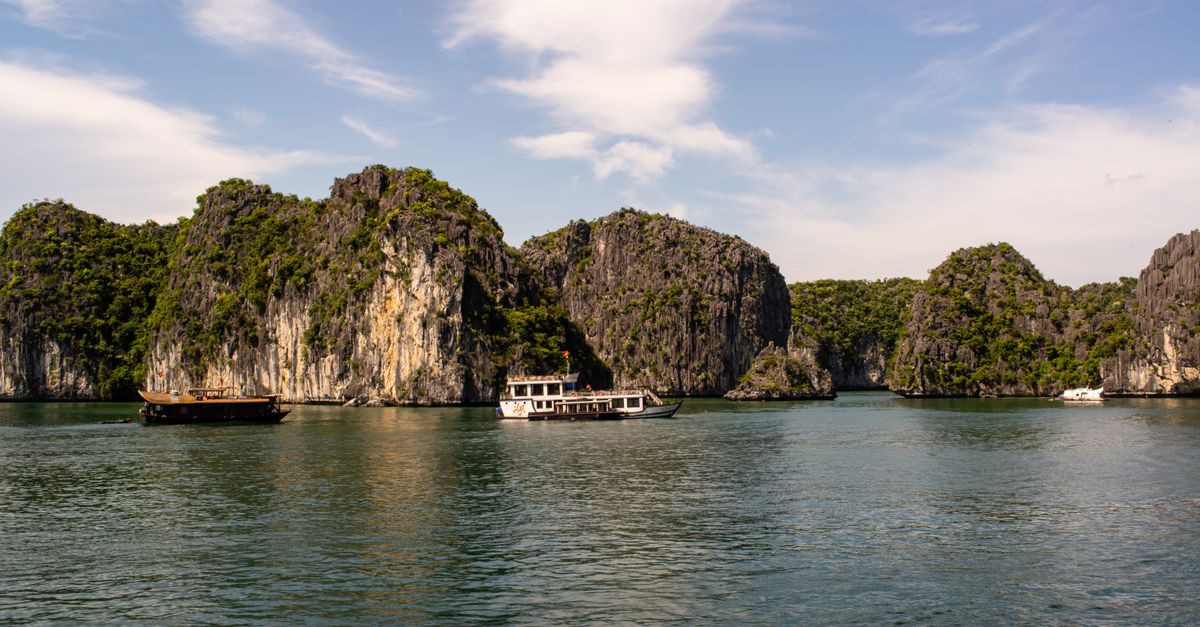
Photo · TUAN PHAN · Pexels
There is no single best time to visit Vietnam, and any page that gives you one month is describing a third of the country.
Vietnam runs about 1,650 kilometres from north to south and has three distinct climates. Any given month is excellent somewhere in it and poor somewhere else, and the mistake almost every itinerary makes is booking the north's best month and taking the centre's worst in the same trip.
If you want one answer for a whole-country trip: March or April. They are the only months that are decent in all three regions at once.
Vietnamese dong. Convert any figure on this page into your own currency at today's published rate.
Open the currency converter →The three climates, and where they disagree
| Region | Where | Best | Avoid |
|---|---|---|---|
| North | Hanoi, Sapa, Ha Long, Ninh Binh | Oct–Nov, Mar–Apr | Jun–Aug heat and rain |
| Centre | Hue, Da Nang, Hoi An | Feb–May | Sep–Nov rain and typhoons |
| South | Ho Chi Minh City, Mekong | Dec–Apr | Peak wet Jun–Sep |
Read the second and third columns of the centre row against the first row, and the problem is obvious.
October and November are among the best months in Hanoi and the worst in Hoi An. The north is dry, clear and cool. The centre is taking its heaviest rain of the year and its typhoon season at the same time. A two-week Hanoi to Hoi An to Saigon route in late October books the north's finest weather and walks straight into the centre's flood season.
Nobody tells you this because "the best time to visit Vietnam is October" is a much easier sentence to write.
The north: Hanoi, Sapa, Ha Long
Four real seasons, because the north sits far enough from the equator to have them.
October and November are the best months. Dry, clear, warm days, cool evenings, and the light on the karst at Ha Long and Ninh Binh at its best. March and April are the other window, warmer and greener, with the risk of haze and drizzle in March.
Winter is genuinely cold, especially in Sapa, where it can drop close to freezing and occasionally snows. That is a reason to go if you want the terraces in mist and a reason to pack properly if you were expecting Southeast Asia.
June to August is hot and wet, with high humidity and heavy rain. Ha Long cruises get cancelled for weather in this window more than any other.
The centre: Hue, Da Nang, Hoi An
Two seasons, and the transition between them is sharp.
February to May is the window, and it is not a compromise: warm, dry, and the sea is swimmable from about April. April and May are the best beach months on this coast.
June to August is very hot and dry, which works if the beach is the point and is hard going for the imperial sites at Hue.
September to November is the wet season and the typhoon season together. This is the part of the Vietnamese calendar with real consequences, and it is the one most itineraries ignore.
The south: Ho Chi Minh City and the Mekong
The most predictable third of the country, and the least seasonal.
December to April is the dry season and the best time, with February and March the warmest and driest.
May to November is the wet season, and it is the friendly kind: a clear morning, building heat, then a heavy downpour in the late afternoon for an hour or two, then clearing. You lose an afternoon, not a day. Prices are lower and the Mekong is at its fullest, which is the season the delta is most worth seeing.
The whole-country answer
March and April. The north is warming and dry, the centre is in its window, the south is at the end of its dry season. Nothing is at its absolute peak and nothing is bad, which is exactly what a 1,650-kilometre itinerary needs.
Late February is the runner-up, with the caveat that it can be cool and grey in Hanoi.
If you can only travel in October or November, the honest advice is to restructure rather than push through: do the north properly, add the south, and either skip the centre or accept that Hoi An may be under water. Our two-week Vietnam route is built north to south, and this is the one variable that should change its shape.
Tet, the week to plan around
Tet, the lunar new year, falls around 6 February in 2027 and moves each year with the lunar calendar.
For the week either side, domestic transport is booked solid, a great many businesses close for several days, and prices rise. Family-run restaurants and small shops in particular shut, sometimes for a week.
We would not tell you to avoid it. It is the most interesting week of the Vietnamese year and the country is at its most itself. But it needs booking months ahead, a flexible plan, and the acceptance that some of what you wanted to do will be closed.
The month table
| Month | North | Centre | South |
|---|---|---|---|
| Jan | Cold, dry | Cool, damp | Dry, ideal |
| Feb | Cool, improving | Good | Dry, ideal |
| Mar | Very good | Very good | Dry, hot |
| Apr | Very good | Best | Hot, dry ending |
| May | Warm, rain starts | Good, hot | Wet begins |
| Jun | Hot, wet | Very hot | Wet |
| Jul | Hot, wettest | Very hot | Wet |
| Aug | Hot, wettest | Very hot | Wet |
| Sep | Improving | Rain begins | Wet |
| Oct | Best | Wettest, typhoons | Wet easing |
| Nov | Best | Wet, flood risk | Drying |
| Dec | Cold, dry | Cool, damp | Dry, ideal |
A catalogue note: Hanoi, Ho Chi Minh City, Da Nang, Hue and Nha Trang are all destinations we cover. Hoi An is not, which is a genuine gap given it is the reason most people go to central Vietnam, and Da Nang thirty minutes up the road has to stand in for it on this site.
What to skip
A single-month answer to this question. Including ours, if you are only visiting one region. Pick the region first, then the month.
Hoi An between September and November if the beach or the old town is the reason you are going.
Ha Long Bay in July or August. Heat, haze and the highest cancellation rate of the year for weather.
Booking Tet travel late. The trains and the domestic flights genuinely sell out, and the week either side is not the time to improvise.
Sapa in a T-shirt. It is a mountain town and it gets close to freezing in January.
Short tourist stays only. Checked 21 Aug 2026; rules change without notice and the government page is the source of truth.
Check your own passport →Checked 21 Aug 2026.
Everything we check for Vietnam →Before you book
Two weeks in Vietnam is the route, and this page is the argument for when to run it. The Hanoi city guide and the Vietnam country guide have the practicalities. If you are combining Vietnam with the rest of the region, the best time to visit Bali has a very different two-season structure and the best time to visit Japan shows what happens when a country's quiet season disappears. The when to go hub covers everywhere else, and the month pages show what March looks like across the catalogue. Ready to look at rooms? Hanoi stays are here, and the things to do shelf has the bookable half.
Regional seasons, typhoon timing and the Tet date checked September 2026 against Rough Guides' month-by-month breakdown and Vietnamese operators' own climate guidance. Tet moves with the lunar calendar, so confirm the date for your year before you book anything.