Anniversary trips worth the milestone
An anniversary trip fails when it is a normal holiday with a nicer hotel. Eight that are structurally different, what each costs, and the two to avoid.
Photo · Davis Arenas · Pexels
Most anniversary trips fail in the same way: they are a normal holiday with a nicer hotel.
The upgrade is the least memorable thing you can buy. What people actually recount afterwards is a journey, a season, or one extraordinary night.
So the structure below is: spend less on the room and more on one specific thing.
The structure that works
Two nights extraordinary, the rest ordinary.
This is the highest-value shape for almost any budget. A week of slightly-better accommodation is forgotten. Two nights of something genuinely remarkable, inside an otherwise normal trip, is the thing you talk about.
It applies to everything below.
The eight
1. A journey rather than a destination
The trip is the thing, which is what makes these work for a milestone.
The Douro valley by train from Porto, which runs beside the river through the terraces and is one of the great rail journeys in Europe. Our Portugal budget guide has the region.
The Reunification Express along the Vietnamese coast, and the Hue to Da Nang leg over the Hai Van pass specifically.
The Norwegian coastal route, or the Bergen railway.
Or the Nile between Luxor and Aswan, three or four nights, and a dahabiya sailing boat rather than a large cruiser, which our Egypt route explains is the quieter version.
2. A season you would not normally travel in
Japan in late autumn, when the colour reaches Kyoto at the very end of November, which our November guide covers along with the honest note that the forecasts disagree on the exact peak.
Europe in January, when the cities are empty and cheap and the museums have no queue, which our Europe in winter guide argues is the most underrated travel in Europe.
Iceland in March, with enough dark for the aurora and enough daylight to drive.
3. Patagonia
The one that most reliably delivers a sense of occasion, because the landscape does the work.
November to March, and March and early April are the quieter, calmer half of the season with the autumn colour, which our Argentine calendar sets out. The national parks administration publishes each park's season, which is the only reliable source on the shoulder weeks.
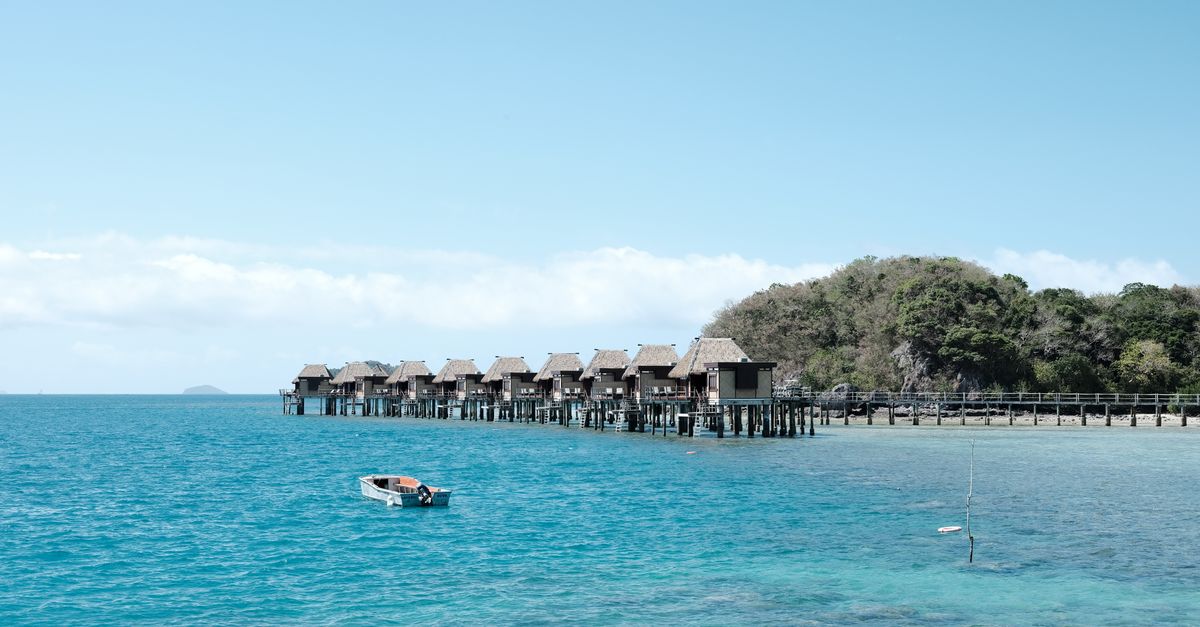
4. Two or three nights over water
Not a week. Our overwater bungalows guide is blunt about why: the novelty is real and it wears off, the rooms are hot in the afternoon, and the jetty walk is longer than it looks.
Fiji is the value option and far closer for anyone in Australia or New Zealand, and French Polynesia has the best lagoon.
5. A European city in the empty months
Seville, Porto, Prague, Ljubljana, Ghent. All walkable, all cheap enough that dinner is not a decision, and all far better in February than in July.
Our most romantic cities guide argues these properly, including why Paris and Rome coast on reputation.
6. One extraordinary meal, planned properly
A single meal can carry a whole trip, and this is where the money is best spent if the trip is otherwise ordinary.
The bookings that need months: the famous Tokyo counters, San Sebastián, Copenhagen. The ones that need days: almost everywhere else.
And the version that costs very little: a kaiseki lunch rather than dinner, a tasting menu at lunch prices, or simply the best restaurant in a cheap city. Our best food cities guide has where those are.
7. A place that takes effort to reach
The Faroes, the Azores, Svalbard, the Scottish islands, Ladakh.
The effort is the point. Somewhere you would not go on an ordinary long weekend feels like a milestone by construction.
8. Going back, deliberately
The most underrated anniversary trip is the same place, done differently.
The city you went to first, ten years on, staying in the neighbourhood you could not afford then, or the one you now know is better. It costs nothing extra and it does the thing an anniversary is for.
What it should cost
The honest guidance:
Accommodation: less than you think. A four-star in a good neighbourhood beats a five-star in a bad one, every time, and our areas guides are organised around exactly that.
One thing: more than you think. The meal, the two nights over water, the private boat, the sleeper cabin.
And the timing: our shoulder season guide explains why moving the dates by two weeks funds most of the upgrade by itself.
The two to avoid
A destination one of you has always wanted and the other has not. That is a different trip and it is worth taking, and it is not this one. An anniversary trip should be something you both chose.
And a tight itinerary. The most common regret is booking too much into too few days. The point is time together rather than coverage, and three cities in five nights is a logistics exercise.
Before you book
Europe's most romantic cities has the city break argued properly, and honeymoon destinations covers the wider choice.
Overwater bungalows has the two-or-three-nights rule, and shoulder season is how to pay for the upgrade.
The best of hub collects the rest, and prices in our guides are in each destination's own currency with the converter doing the rest.
Seasonal and regional detail checked September 2026 against national tourism boards including Argentina's and Japan's. Restaurant booking windows differ enormously and the most in-demand release on fixed schedules, so check the specific restaurant rather than assuming. Here is how we research and re-check guides.