Portugal on a budget
Portugal is western Europe's best value and the cities have caught up. The real daily number, the four decisions that set it, and where the money leaks.
Photo · Almir reis · Pexels
Portugal is the best value in western Europe, and its reputation is now slightly ahead of its prices.
Lisbon has risen sharply. Everywhere else has not, and the food and wine remain remarkable for the money.
Euro. Convert any figure on this page into your own currency at today's published rate.
Open the currency converter →The daily number
For one person, checked September 2026:
| Tight | Comfortable | |
|---|---|---|
| Accommodation | 20 to 30 | 45 to 70 |
| Food | 12 to 18 | 25 to 35 |
| Transport | 3 to 6 | 6 to 12 |
| Entries and extras | 0 to 5 | 8 to 15 |
| Per day, euro | 35 to 50 | 60 to 95 |
Lisbon and the Algarve in summer sit at the top of both ranges. Porto, Coimbra, Évora and the interior sit at the bottom.
The four decisions that set the number
1. Not Lisbon, or not only Lisbon
Lisbon is now the most expensive part of Portugal by a clear margin, and central accommodation has moved close to Spanish prices.
Porto is meaningfully cheaper for a better-looking city, which our Lisbon or Porto comparison argues at length and our cheapest European cities guide backs up.
And the interior is a different country on price. Évora, Coimbra, Guimarães and the Alentejo are all excellent and all cost a fraction of the coast.
2. Lunch, not dinner
The single biggest food saving in Portugal.
**The prato do dia, the dish of the day**, served at lunch in an ordinary tasca, is usually a full plate with bread and a drink included, for a fraction of the same food in the evening.
Lunch is the main meal. Eating that way and having something light at night roughly halves the food line.
3. The month
November to February, excluding Christmas and New Year, is the annual floor. Mild, quiet, and the cities at their best.
May and October are the cheapest months with reliably good weather, which our Portuguese calendar sets out.
July and August on the Algarve are peak European school holidays and the prices roughly double, which our cheap family holidays guide covers.
4. Trains and buses, not a hire car
Portugal is small and well connected. Lisbon to Porto is under three hours, Lisbon to the Algarve about three.
The intercity trains and the Rede Expressos coaches are both inexpensive and comfortable, and booking a few days ahead is materially cheaper than at the station, which the rail operator's own advance fares show clearly.
A hire car earns its place only in the Alentejo and the interior, where the public transport is thin.
Where the money actually leaks
The couvert. Bread, olives and cheese arrive unordered and are charged if you eat them. They can be sent back untouched at no cost. It is not a scam and it is not free, and declining is completely normal.
The tourist tax. Charged per person per night in Lisbon, Porto and several Algarve municipalities, usually with an age exemption and a cap on nights. Collected at the property rather than in the price you compared.
Tram 28 in Lisbon, which is a normal tram at a normal fare and is also a pickpocketing hotspot precisely because it is crowded with visitors. The same route walks in twenty minutes.
Airport transfers. Both Lisbon and Porto have metro lines to the airport, and both cost a couple of euro against a taxi.
And the pastéis de nata queue. The famous one in Belém is very good and there is a queue; the bakery on any residential street is nearly as good with no queue and a lower price.
Where to spend, because the value is real
Wine. Portuguese wine is the best value in Europe by a distance. The house wine in an ordinary restaurant is genuinely good and costs less than a soft drink in most of northern Europe.
Seafood, particularly outside the tourist strips.
And the Douro valley, which is one of the great wine regions and is substantially cheaper to visit than Burgundy, Tuscany or the Rhine.
The free things worth planning around
Most Lisbon and Porto museums have free entry on Sunday mornings, which is worth structuring a weekend around.
The miradouros, the viewpoints, in both cities. Free, and the best thing in either.
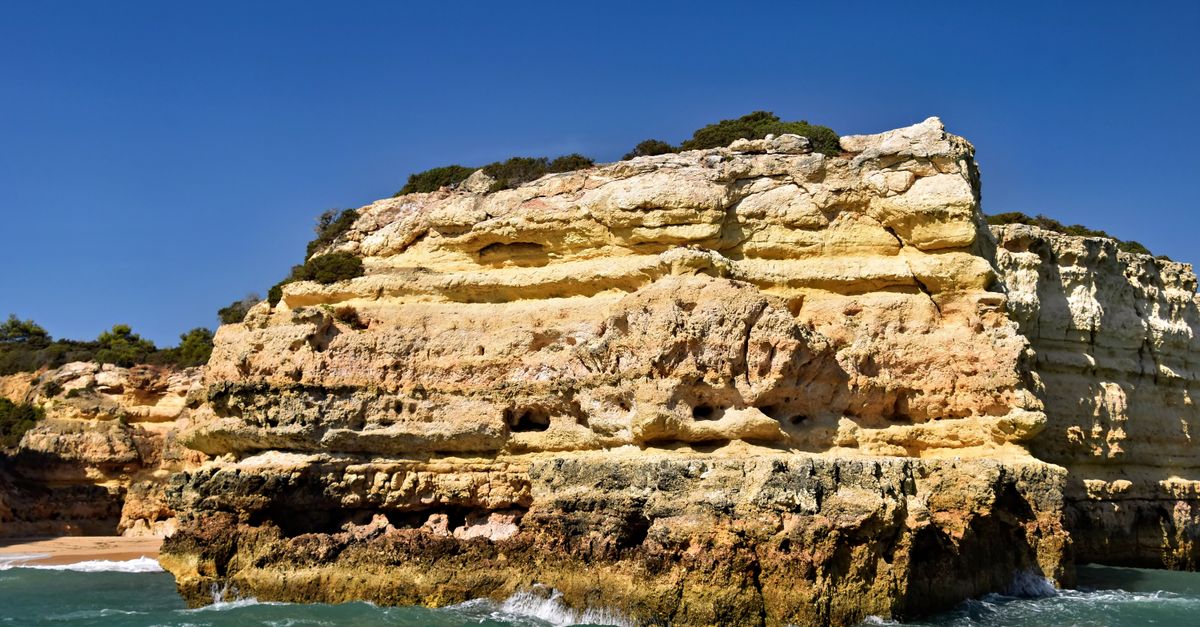
The Atlantic beaches, all of which are public.
And walking. Both cities are compact and hilly, and the funiculars and lifts are transport rather than attractions, covered by a normal transport card.
Checked 21 Aug 2026.
Everything we check for Portugal →The Algarve, specifically
The east, around Tavira, is materially cheaper than the central strip and has the better beaches for most people, which our Algarve town-by-town guide sets out and our Portugal with kids guide explains for families.
Self-catering apartments are the norm and the saving is large for a group.
And the season is everything. May, June, September and October are all warm and cost a fraction of August.
Short tourist stays only. Checked 21 Aug 2026; rules change without notice and the government page is the source of truth.
Check your own passport →Before you book
Europe on a budget has the wider context and the cheapest European cities puts Porto in order.
The Algarve town by town picks the base, and Lisbon or Porto picks the city.
The Portuguese calendar decides the month, which is the largest single lever here.
The budget hub collects the rest and the Portugal country page has the practical layer.
Prices checked September 2026 against current listings and Visit Portugal. Municipal tourist taxes are set locally and several municipalities have introduced or raised theirs recently, and Portugal's rail operator publishes advance fares that are materially below walk-up prices.