Portugal with kids
The Atlantic is colder and rougher than families expect, which decides where you go. The east Algarve rule, Lisbon's hills, and what actually works by age.
Photo · Carel Voorhorst · Pexels
Portugal is one of the easiest countries in Europe to take children to: short distances, low prices for western Europe, restaurants that are genuinely pleased to see a family, and a coastline with a version of the beach for every age.
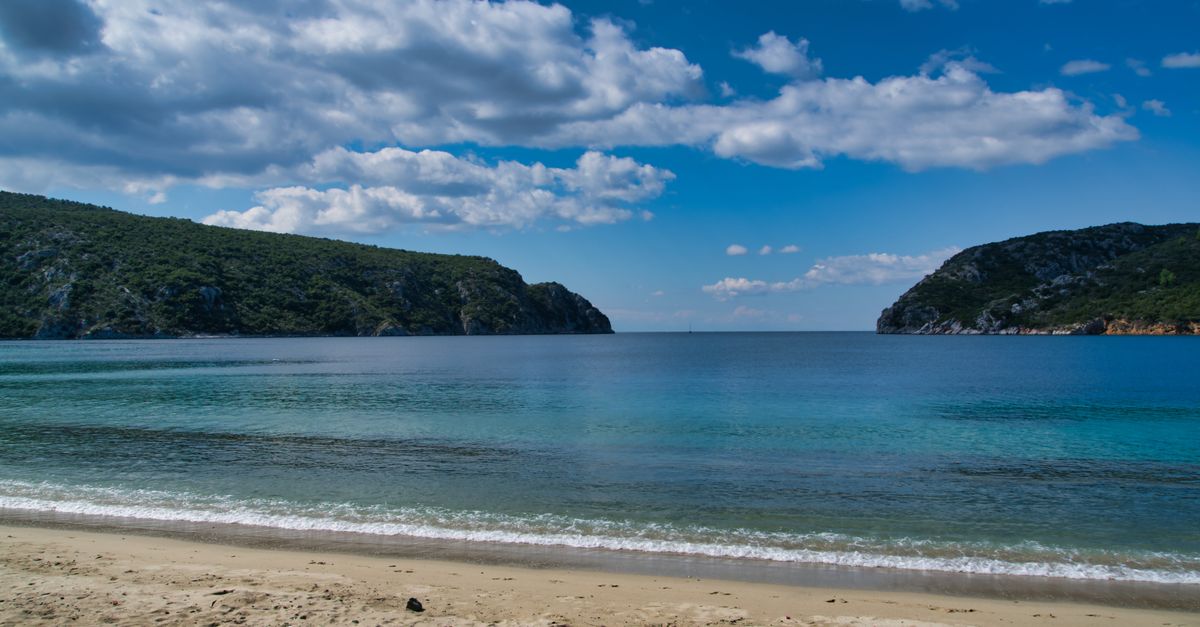
The thing that surprises people is the water. This is the Atlantic, not the Mediterranean, and it is cold and often rough.
That single fact decides where you go.
Euro. Convert any figure on this page into your own currency at today's published rate.
Open the currency converter →The coast, and which bit to pick
The eastern Algarve, for small children
Tavira, Cabanas and Fuseta, where the beaches are on barrier islands reached by a short ferry and the water in the lagoon behind them is shallow, calm and noticeably warmer than the open sea.
The ferry is a feature rather than a chore with small children, and the sand is long and flat rather than a cove at the bottom of steps.
This is our pick for under-sevens, and our Algarve town-by-town guide has the detail on Tavira, which is a real town rather than a resort.
The central Algarve, for the photographs
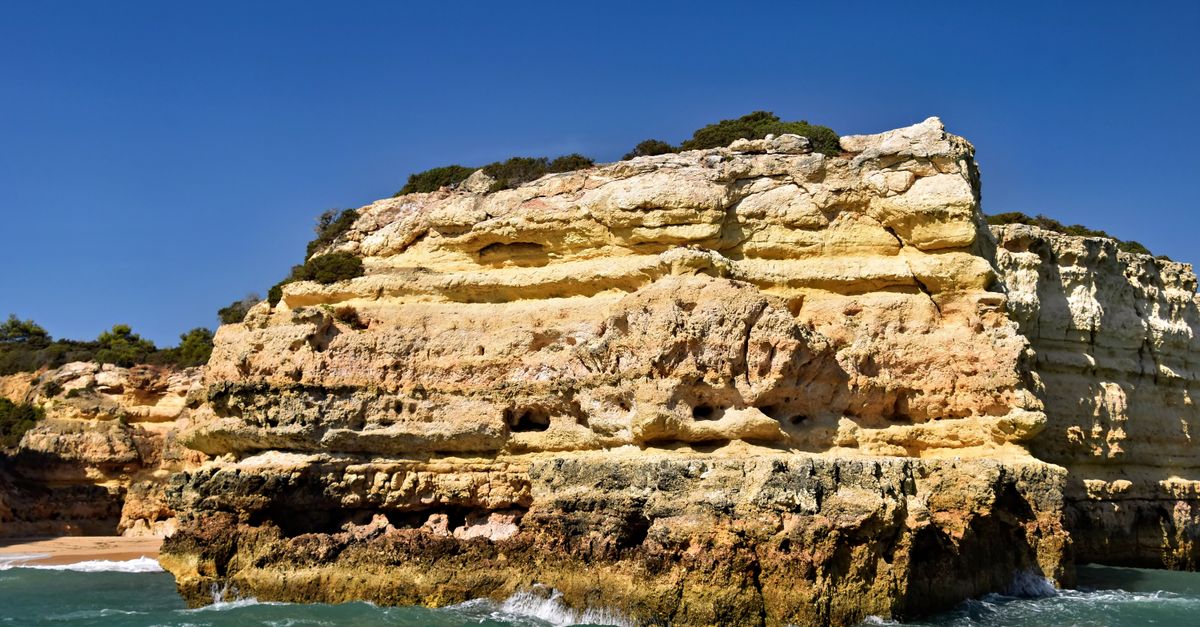
Lagos, Carvoeiro, Albufeira, where the gold cliffs and the sea caves are.
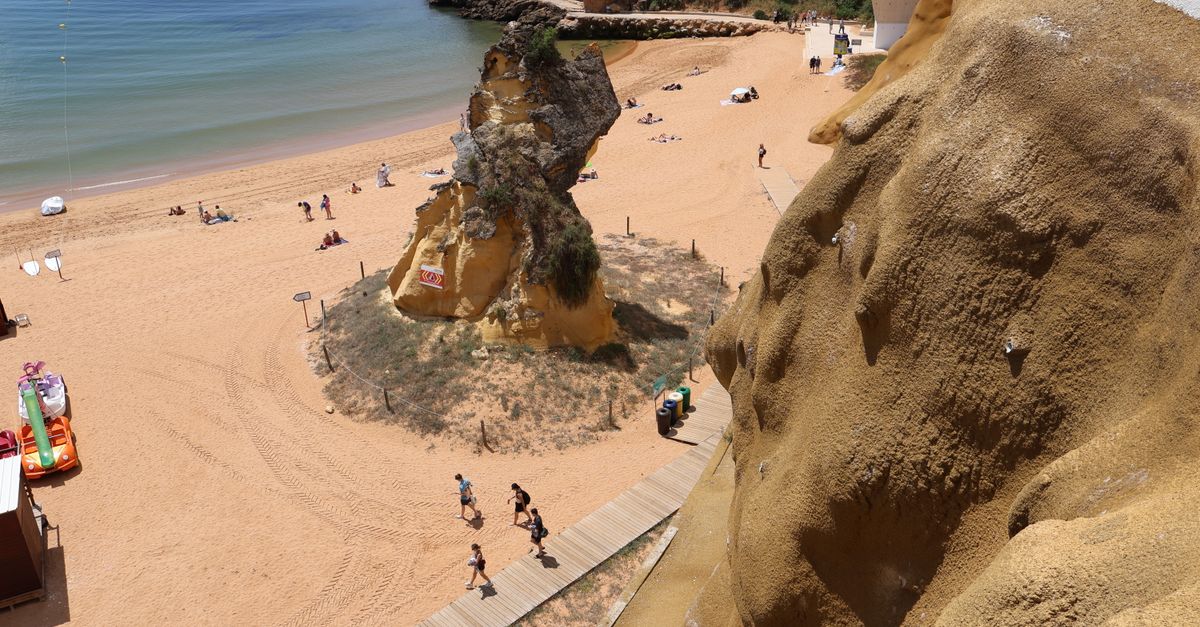
Beautiful, and it is a lot of stairs. The famous coves are reached by long staircases down and back up, which with a pram or a tired five-year-old is the whole afternoon.
Alvor and Meia Praia are the exceptions: long, flat, accessible beaches in the same region.
The west coast and Costa Vicentina, for teenagers
Wind, big surf and dramatic empty beaches. Excellent with older children who want a surf lesson and unsuitable for paddling.
Cascais and the Lisbon coast, if you are basing in the city
Cascais is 40 minutes by train from central Lisbon with sheltered town beaches, and Guincho further round is a serious surf beach.
Lisbon and Porto with children
Lisbon is hard work with a pram. Seven hills, cobbles polished to a shine and slippery in rain, and steep lanes. With children who walk it is a wonderful city, and with a buggy it is a genuine exercise.
Use the lifts and funiculars as transport rather than sights: the Santa Justa lift, the Glória and Bica funiculars where they are running, and the 28 tram, which is crowded and is not pram-friendly.
Porto is smaller, steeper in one specific stretch and easier overall. The riverside at Ribeira, the Douro boats, and the Serralves park.
What works in both: the Oceanário in Lisbon, which is one of the best aquariums in Europe, the Pavilhão do Conhecimento science museum next to it, and Porto's Sea Life and the tram museum.
What actually works, by age
From about three
The eastern Algarve beaches, above.
Sintra's Pena Palace, which looks like a cartoon castle painted red and yellow, and is 40 minutes from Lisbon. Book a timed ticket and take the bus up rather than walking, because the climb is long.
Lisbon's Oceanário.
Zoomarine or the water parks in the Algarve, which are the honest wet-afternoon answer.
From about six
Porto's Douro river boats, and the six-bridges cruise, which is short and cheap.
Óbidos, a walled town an hour north of Lisbon that you can walk the ramparts of.
The Benagil sea cave by kayak or boat from the central Algarve, which is better by small boat than by the crowded larger ones.
From about ten
Surf lessons on the west coast or at Costa da Caparica.
Sintra properly, including the Quinta da Regaleira with its initiation well, a spiral staircase descending into the ground, which is the best thing in Sintra and the one children remember.
A Douro valley day from Porto, on the train that runs beside the river.
The practical layer
Portugal is genuinely inexpensive by western European standards, and family apartments are good value. Our cheapest European cities guide puts Porto on that list for a reason.
Restaurants welcome children and serve early enough by Iberian standards, which is a real difference from Spain. Half portions are normal and inexpensive.
The tourist tax is charged per person per night in Lisbon and Porto and in several Algarve municipalities, usually with an age exemption for younger children and a cap on the number of nights. Ask the property, because it is collected at the desk.
Sun and water safety. Atlantic beaches are flagged and lifeguarded in season and the rips are real. The national tourism board explains the flag system, and it is worth explaining to children on day one rather than at the water.
Checked 21 Aug 2026.
Everything we check for Portugal →Short tourist stays only. Checked 21 Aug 2026; rules change without notice and the government page is the source of truth.
Check your own passport →What to skip
Skip the central Algarve cove beaches with a pram. Covered above. Go to Alvor, Meia Praia or the east.
Skip the 28 tram in Lisbon at peak with small children. It is crowded, it is a pickpocketing hotspot precisely because it is crowded, and the same route walks in twenty minutes.
Skip driving into central Lisbon or Porto. Both are difficult and parking is worse. Park outside and use the trains.
Skip July and August in the Algarve if you can. It is the peak of European school holidays and prices roughly double. The Portuguese calendar has the months and our May guide makes the case for the spring.
When to go
June and September. Both warm, both manageable, and September has the warmest sea of the year.
May and October are lovely for the cities and cool for swimming.
Winter in the Algarve is mild, very cheap and genuinely pleasant for walking, and the sea is out.
Before you book
The Algarve town by town picks the base, which is the decision that matters most here.
Greece with kids is the other southern European option in this set, and how to plan a family trip has the method.
The with kids hub collects the rest and the Portugal country page has the practical layer.
Beach, transport and tax detail checked September 2026 against Visit Portugal and the Algarve regional tourism board. Municipal tourist taxes and their child exemptions are set locally and change, so confirm with the property.