Overwater bungalows: worth it, and where
Overwater bungalows exist in a dozen countries at wildly different prices. Where they actually are, what the photographs leave out, and how many nights.
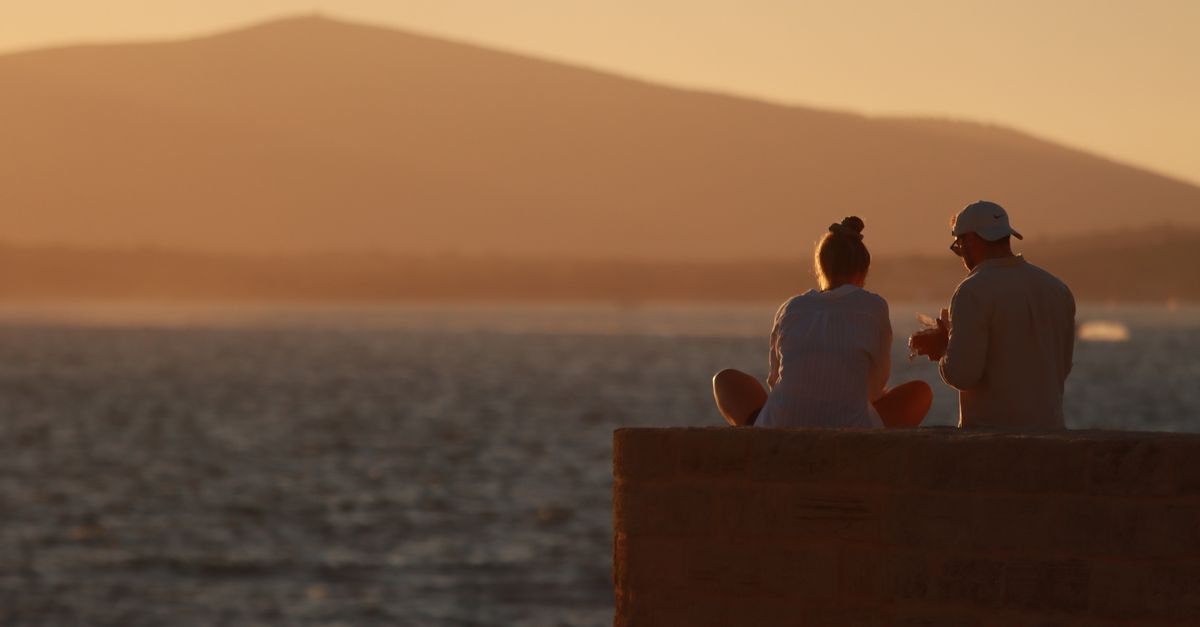
Photo · YoungApp · Pexels
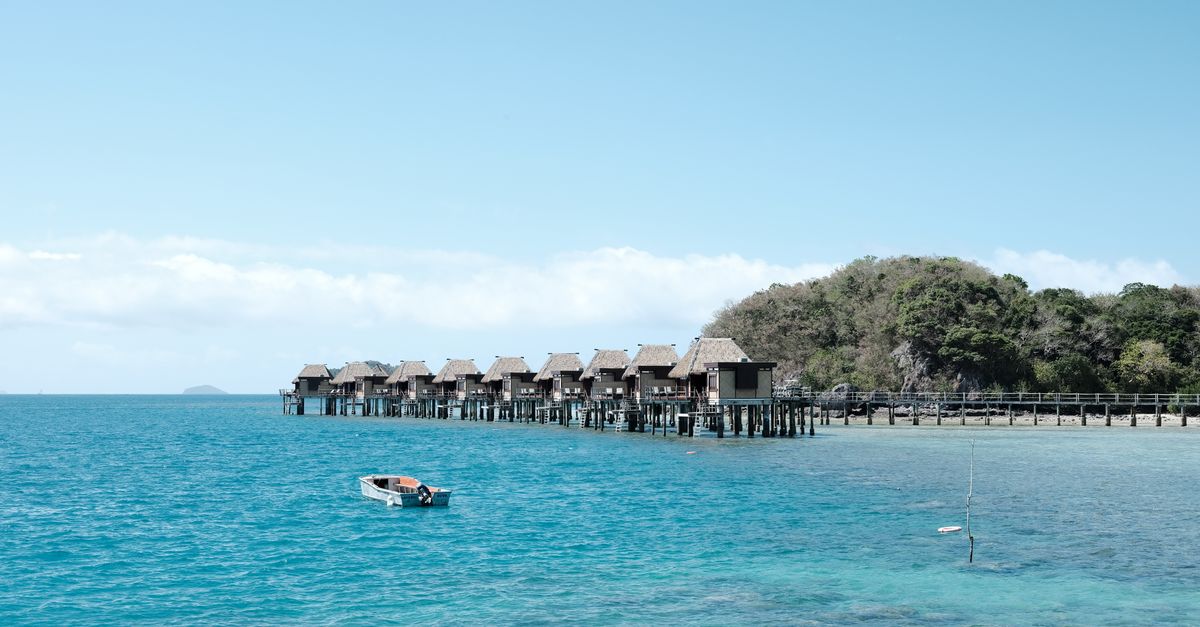
Overwater bungalows are one of the few travel images that lives up to itself, and the way they are usually booked is wrong.
They exist in a dozen countries at wildly different prices. And two or three nights is the right number, not a week.
Where they actually are
The Maldives. The largest concentration anywhere, at every price point from about mid-range to genuinely extraordinary. One resort per island is the model, which is the appeal and the constraint.
French Polynesia. Bora Bora, Moorea and Taha'a. The originals, and the most expensive of the three classic destinations by a clear margin. The lagoon colour is the best on this list.
Fiji. The most underrated, meaningfully cheaper than either, and far closer to Australia and New Zealand, which is why it dominates that market. Our Fijian calendar has the seasons, and the tourism board lists which resorts actually have overwater rooms, which is a shorter list than the marketing suggests.
And the ones people forget: Indonesia, the Philippines, Thailand, Vietnam, Zanzibar, Mexico, Belize, Panama and parts of the Caribbean all have them, at a fraction of the Polynesian price.
What the photographs leave out
Heat. The rooms sit over water with no shade and no trees, and the middle of the day is hot in a way a beach villa under palms is not. The air conditioning is working hard and the deck is unusable from about eleven to four.
Noise. The water slaps under the floor all night. Some people find it soothing and some do not, and you cannot know which you are until you are there.
The walk. The jetty is longer than it looks, it is in full sun, and it is between you and every meal, drink and activity. The bungalows furthest out have the best privacy and the longest walk.
And the glass floor panel, which is in a lot of them and which shows you sand most of the time.
The two or three night rule
This is the useful part of the whole guide.
Book two or three nights over water, and the rest somewhere else.
Why: the novelty is genuinely wonderful and it wears off. By night four you are paying a very large premium for a view you have stopped noticing, in a room that is hot in the afternoon.
What to do instead with the rest: a beach villa on the same resort at a fraction of the price, or a different island entirely, which gives the trip variety it would otherwise lack.
Almost everyone who has done a full week says this, and almost every resort sells the full week.
The cost, in perspective
The overwater premium is typically substantial over the equivalent beach category at the same resort, and the gap widens at the top end.
In the Maldives and French Polynesia the price of the room is only part of it: the seaplane or boat transfer is a separate and significant cost, often several hundred dollars per person each way, and it is frequently not in the rate you compared.
Ask for the all-in figure including transfers before comparing two resorts. It changes the ranking.
In Fiji, Indonesia, Thailand and Mexico the transfers are shorter and cheaper and the whole equation is milder.
Choosing one, practically
The five questions that decide it:
1. Transfer time and cost. A resort that looks cheaper is frequently a longer seaplane away, and seaplanes are daylight-only, which can cost you a night at each end.
2. The house reef. If snorkelling is the point, the reef matters more than the room, and it varies enormously between resorts on the same lagoon.
3. All-inclusive or not. On a one-resort island there is nowhere else to eat, so a non-inclusive rate can produce a very large bill. Our all-inclusive guide has the questions to ask.
4. Adults-only or family. Both exist and the difference is total.
5. Tide and lagoon depth. Some overwater rooms sit above water you cannot swim in at low tide, which is worth asking directly.
When to go
Each destination has its own season and they do not align.
The Maldives is driest roughly January to April.
French Polynesia is driest May to October, which is the southern winter.
Fiji's dry season is May to October and the cyclone season opens on 1 November, which our Fijian calendar covers and which is the single most important date on this page.
Southeast Asia's versions follow the regional monsoons, which our wet season guide sets out.
And these are all peak-priced in their dry seasons, which our winter sun guide puts in context for both hemispheres.
Who it is actually for
Honeymoons and anniversaries, which is what most of the market is, and our honeymoon guide and anniversary trips guide both cover the wider choice.
Anyone who wants two or three genuinely remarkable nights as part of a longer trip.
Not families with small children, generally. Deep water directly outside a door, a long jetty and no fence is a combination that means constant vigilance, and many overwater categories have a minimum age for exactly that reason.
And not anyone who wants to do things. A one-resort island is a place to be still. If that is not the holiday you want, the money buys a great deal more elsewhere.
The honest verdict
Worth it, for two or three nights, once.
Fiji if you are coming from Australia or New Zealand or want the best value. French Polynesia if the lagoon is the point and the budget is not. The Maldives for the widest choice at the widest range of prices.
And Indonesia, Thailand or Mexico if you want the experience without the long-haul premium.
Before you book
Honeymoon destinations covers the wider choice, and anniversary trips covers the other occasion these get booked for.
The Fijian calendar has the season for the most accessible of them, and winter sun destinations puts the timing in context from both hemispheres.
The best of hub collects the rest, and prices in our guides are in each destination's own currency with the converter doing the rest.
Seasonal and regional detail checked September 2026 against Tourism Fiji and Tahiti Tourisme. Transfer costs are set per resort and are frequently quoted separately from the room rate, so ask for the all-in figure before comparing.