All-inclusive family resorts that are actually good
All-inclusive is a pricing model, not a quality level. The seven things that separate a good one from a bad one, and the regions where it makes sense.
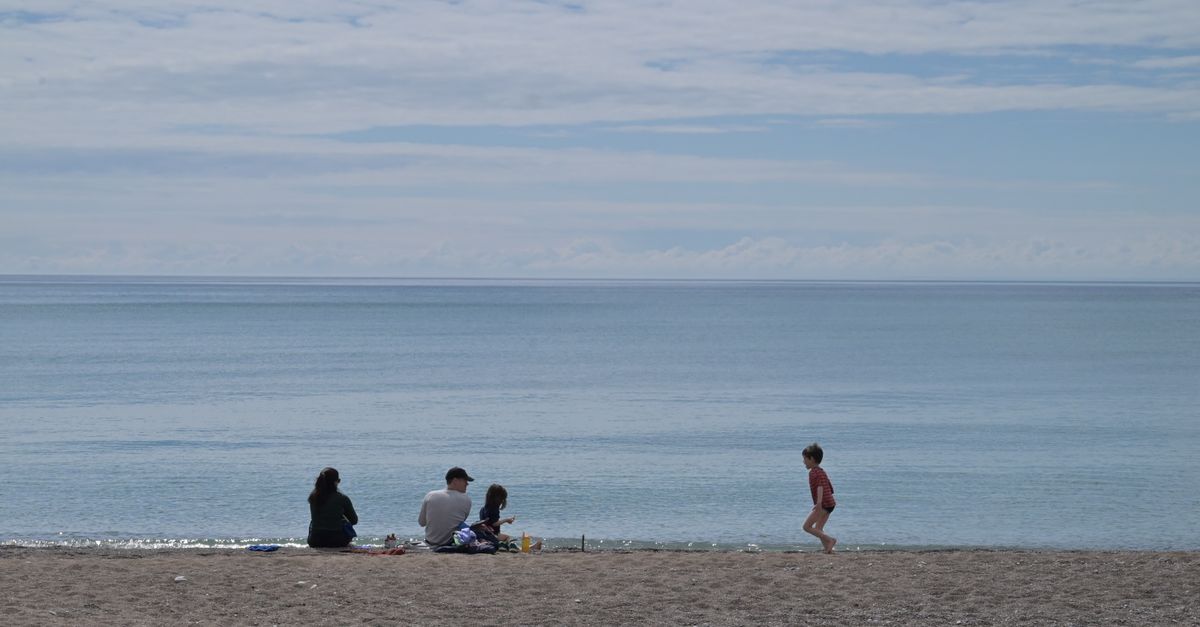
Photo · Quang Nguyen Vinh · Pexels
All-inclusive is a pricing model, not a quality level. The best and the worst family holidays we could describe are both sold that way, and the difference is never in the photographs.
This guide is not a list of resorts, because resorts change hands and standards move. It is the seven questions that separate a good one from a bad one, and the regions where the model earns its place at all.
When all-inclusive is the right answer
When eating out with children would be hard. Somewhere with long distances, late dining hours or thin choice near the hotel.
When the destination is expensive. In the Caribbean, the Maldives or a Mediterranean island in August, the all-in price can genuinely beat paying for everything.
When you want to not make decisions. This is a legitimate reason and nobody should apologise for it. A week where nobody asks where we are eating is worth money to a lot of parents.
When it is the wrong answer
When eating out is cheap and pleasant, which is most of southern Europe, most of Southeast Asia and much of Latin America.
In Greece, Portugal, Spain, Italy, Thailand or Vietnam, the tavernas and the family restaurants are two minutes away, inexpensive and welcoming, and the all-inclusive is buying you a buffet instead of a country. Our Greece with kids and Portugal with kids guides both make that case for their own coasts.
The seven questions
1. What does the kids club actually do, and from what age? Commonly four, sometimes three if toilet-trained, and that is the detail that catches families out. Does it run through lunch? A club that closes for two hours in the middle of the day is not childcare, it is two activity sessions.
2. Which restaurants cost extra? Many resorts include the buffet and charge for the à la carte restaurants, or include a limited number of visits. Ask how many are genuinely included and whether they need booking on arrival, because the good ones fill on day one.
3. What is actually included in "all"? Soft drinks, snacks between meals, ice creams, bottled water in the room and anything from the minibar are all variables. Branded spirits and premium drinks are usually not.
4. How far is it from the airport? This is the biggest trap on the list. A resort that looks cheaper is frequently ninety minutes further out, which is three hours of your first and last day with tired children. Always compare the transfer time alongside the price.
5. Is the pool supervised, and is there a lifeguard? Practice varies enormously by country and hotel pools are frequently unsupervised even at large resorts. The Royal Life Saving Society publishes guidance on hotel and holiday pools, which is worth two minutes before you book. Ask directly rather than assuming, and look at how the children's pool is separated from the main one.
6. What are the room configurations? "Family room" can mean a double with a sofa bed, a room with a partition, or two connecting rooms. A partition is not a wall, and with children who go to bed at seven that decides your evenings.
7. Is there anything to walk to? A resort with a village, a beach path or a town nearby is a completely different week from one on an isolated stretch of coast. Both are valid and only one of them lets you leave.
Where the model makes sense
The Canaries and the Balearics, for a short flight from Europe, a reliable climate and the deepest family-resort market anywhere.
Turkey and Egypt's Red Sea, for the best value in the category by a distance. Turkey's Aegean and Mediterranean resorts in particular are large, well run and much cheaper than the Spanish equivalents.
Greece and Cyprus, for the compromise: resorts that are good and a country worth leaving them for.
Mexico's Riviera Maya and the Caribbean, for a long-haul week where the all-in maths genuinely works.
Dubai, for a short-haul winter option from Europe with a city attached, which our Dubai with kids guide covers.
What to skip
Skip booking on the photographs. Every resort in this category has the same photographs.
Skip the swim-up room with small children. It is a lovely idea and it is a pool outside a bedroom door.
Skip the resort more than an hour from the airport unless it is genuinely better, and price the transfer both ways before deciding.
Skip the all-inclusive entirely for a first trip to a country you want to see. You will come home having seen a resort.
And skip August if the dates are movable. Our family budget guide has the school-holiday arithmetic, and the difference between the last week of August and the second week of September is close to half the price.
The arithmetic that decides it
Price the alternative honestly. Take the all-in nightly rate for the family, then price a self-catering apartment plus a realistic daily food budget for the same destination.
In Turkey, Egypt or the Canaries in peak season, all-inclusive usually wins.
In Greece, Portugal or Thailand, it usually loses, and by enough to fund a longer trip.
Then add the things the comparison misses: transfers, resort fees, paid restaurants, and whether you will actually use the kids club.
Before you book
How to plan a family trip has the general method, and family holidays on a budget has the numbers.
The best family holiday destinations covers the wider choice, and Greece with kids and Portugal with kids are the two guides that argue against the model for their own countries.
Long-haul flights with kids covers getting there. Prices in our guides are in each destination's own currency and the converter does the rest.
Resort practices vary enormously by operator and by country and change hands frequently, which is why this guide is a checklist rather than a list. Consumer guidance on package holiday rights is published by the UK Competition and Markets Authority and the European Consumer Centres Network, both of which are worth reading on what a package booking actually entitles you to.