Shoulder season, explained (and exploited)
Shoulder season is set by school calendars, not weather, which is why it moves. Where the real gaps are, the ten-day lag that pays, and where it is a trap.
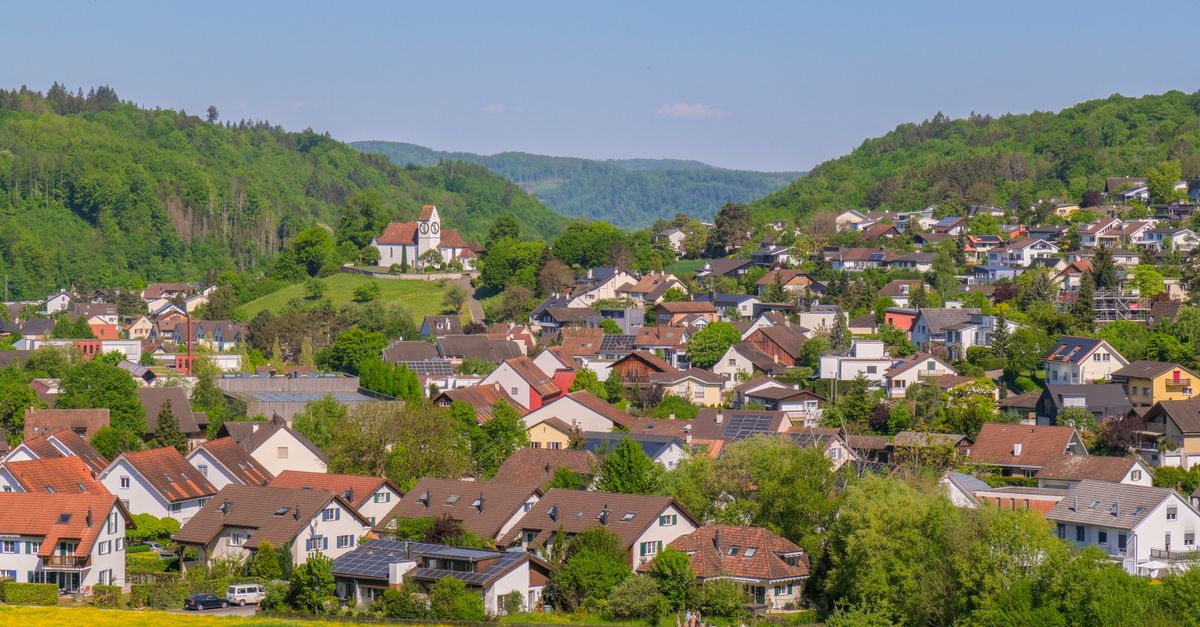
Photo · Vladimir Srajber · Pexels
Shoulder season is the gap between when the weather changes and when demand changes.
That is the whole concept, and understanding it that way explains everything else, including why it moves and where it is a trap.
Demand is set by school calendars. Weather is not. The gap between them is the money.
The ten-day lag, which is the clearest example
Northern hemisphere school terms restart in the first week of September, and they are staggered across the continent rather than uniform, which is why the gap opens at slightly different points in different markets.
European rates and fares fall from about the tenth.
The weather does not change for another six weeks. Worse, it improves in one important respect: the Mediterranean sea is at its warmest of the entire year in September, because it lags the air by roughly two months.
So the second half of September is warmer water, thinner crowds and lower prices than the second half of August. That is not a marginal trade, it is a strictly better trip for less money, and our September guide is built on it.
The same lag runs in reverse in spring, which our May guide covers: everything has opened, and the crowds have not arrived.
Where the real gaps are
Europe: late April to early June, and September to mid-October. Our best time to visit Europe has the region by region.
Japan: early December, and mid-January to early March. Late October and November are the best weather and are no longer a shoulder in any price sense, which our Japanese calendar explains.
Southeast Asia: the shoulders of the monsoon rather than of the crowd, which our wet season guide sets out region by region.
Southern hemisphere: the whole pattern offset by six months. Argentina and Brazil's shoulders are March to May and September to November, which our Argentine and Brazilian calendars cover.
North Africa and the Gulf: the shoulder is a heat question rather than a crowd one. Morocco's good windows are April and October, and the Gulf season is November to March.
Where it is a trap
This is the part that gets left out.
In a destination with a short season, the shoulder is when things close rather than when they get cheaper.
The specific ones:
- Greek island ferries thin from about the start of October and some routes stop, so a late-season island plan needs checking rather than assuming.
- Iceland's highland F-roads do not open until early June and the long crossings until July, so a May trip is a Ring Road trip whatever the price suggests. Our June guide has the dates.
- Alpine cable cars and mountain huts close for changeover in both shoulders.
- Queenstown and Wanaka run two seasons with short gaps, and operators close between them, which our Queenstown guide covers.
- Coastal towns across southern Europe shut from about November to Easter, and a picturesque village can be genuinely closed.
The rule: check the specific thing you are travelling for, not the destination. "The city is open" and "the thing you came for is open" are different claims.
The five levers, ranked
1. Move the trip by two weeks. The largest single saving in travel and it costs nothing but flexibility. The last week of August to the first week of September is the biggest step in the European year.
2. Travel in the shoulder of the shoulder. The first week of a school holiday and the last are both cheaper than the middle two, which our cheap family holidays guide sets out for families with no date flexibility at all.
3. Fly midweek. Independent of season and worth doing anyway.
4. Go where the shoulder is a different month. If your dates are fixed in July, the answer is not a cheaper European destination, it is a different latitude, which our July guide argues.
5. Then book well. Our flight timing guide has what the data supports, and the honest headline is that it matters less than the four above.
The arithmetic, run out
A week for two in the Mediterranean, moving from the third week of August to the third week of September:
Accommodation falls substantially, and in resort markets the drop can approach half. Flights fall. The weather is the same and the sea is warmer. The queues are shorter at every ticketed sight.
Nothing gets worse. That is what makes it the cleanest decision in travel planning, and it is available to anyone whose dates are not fixed by a school.
If your dates are fixed
Most people's are, and shoulder season is not available to them. The levers that still work:
Pick a destination whose peak is not your dates. August in Europe is peak; August in southern Africa and Indonesia is dry season. Our August guide has the list.
Take the first or last week of your holiday period rather than the middle.
And self-cater, which is the biggest lever once the dates are locked.
Before you book
Best time to visit Europe has the two fortnights that matter most, and September and May are those fortnights in detail.
How to plan a trip puts this in sequence with everything else, and when to book flights is the smaller lever people spend the most time on.
The first trips hub collects the rest, and prices in our guides are in each destination's own currency with the converter doing the rest.
Seasonal demand patterns checked September 2026 against Eurostat's tourism statistics and the European Commission's school calendar publications. School terms are set nationally and are staggered, so the shoulder for one country's travellers is not always the shoulder for another's.