The best time to visit Europe, region by region
Europe is not one climate and the school calendars move prices more than the weather. Five regions, the two best fortnights, and the month table.
Photo · Thomas P · Pexels
Europe is not one climate and it is not one calendar, and the thing that moves prices most is not the weather at all.
It is the school terms.
Two fortnights are the answer for most trips: the second half of September and the first half of May. Both give you open museums, running ferries, warm southern weather and materially lower prices, purely because the northern school year is in session.
Most of the continent is on the euro and several of the cheapest countries are not, so prices in our guides are quoted in each destination's own currency and the converter does the rest.
The five regions
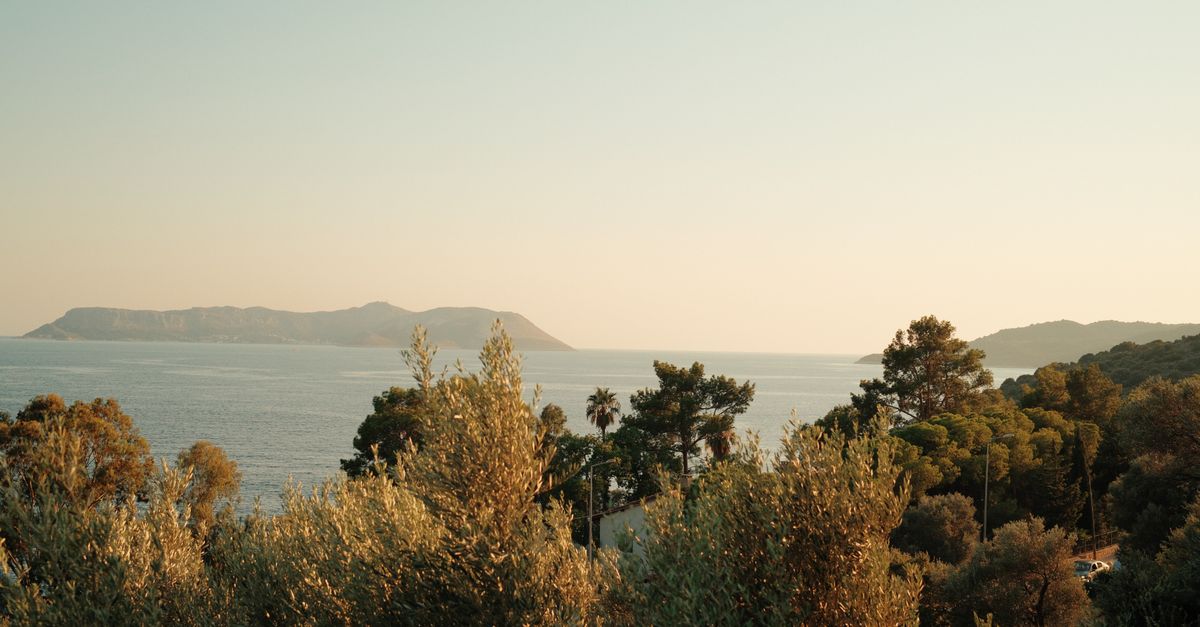
The Mediterranean south. Spain, Portugal, Italy, Greece, southern France, Croatia, Turkey's coast. Season roughly Easter to late October. July and August are hot, full and expensive, and much of Italy and Spain closes for its own August holiday.
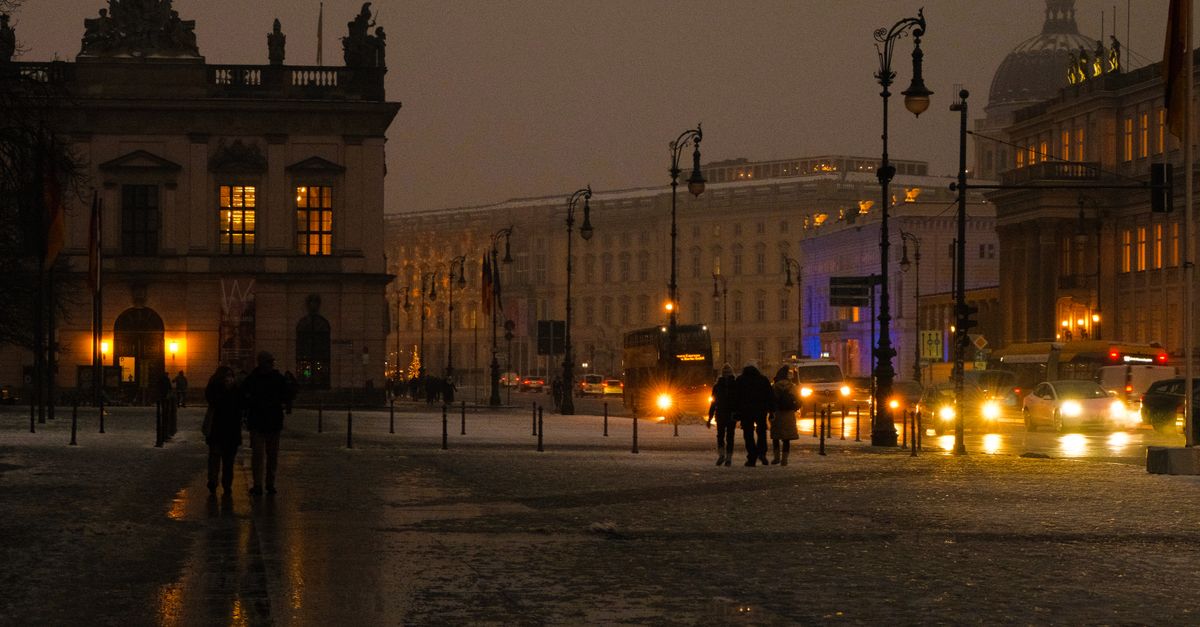
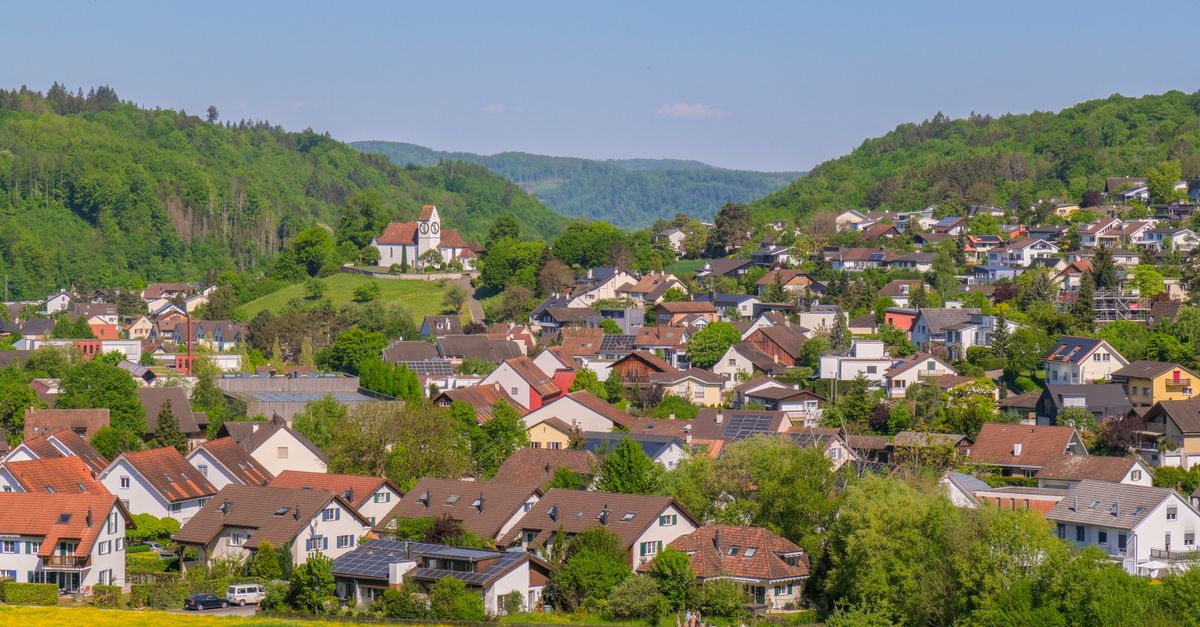
Western and central Europe. France, Germany, the Low Countries, Austria, Czechia. May to September is the comfortable range, with June and September the best of it. Winter is grey and is very good for museums and markets.
The Nordics and the far north. Summer is short and extraordinary: June brings the midnight sun above the Arctic Circle and the Icelandic highlands open in the first days of the month. Winter is dark, expensive and is the aurora season.
Central and eastern Europe. Continental: genuinely cold winters, hot summers, and May, June and September are the best months. Also the cheapest part of the continent, which our cheapest European cities guide covers.
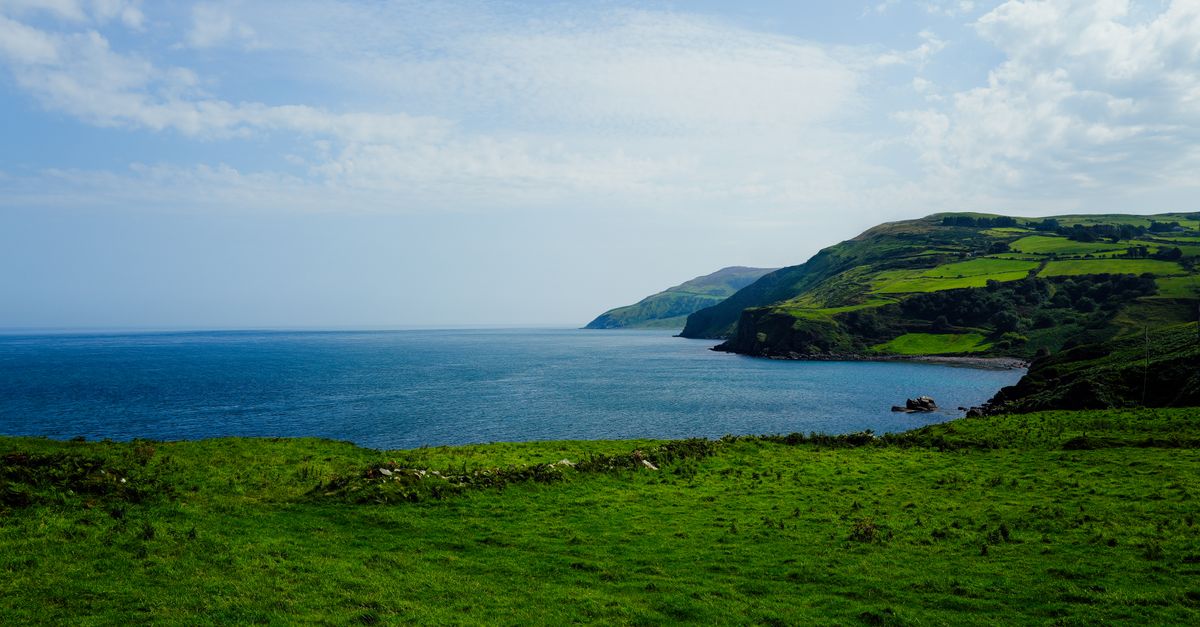
The Atlantic edge. Britain, Ireland, Brittany, Galicia, northern Portugal. No reliable season and no bad one. May to September is the driest stretch and the weather is variable in every month.
The month table
| Month | South | West and central | Nordics | East | Verdict |
|---|---|---|---|---|---|
| Jan | Mild, quiet | Cold, museums | Dark, aurora | Very cold | Cheapest |
| Feb | Mild, quiet | Cold | Aurora, ski | Very cold | Cheap |
| Mar | Warming | Cool | Ski, light returns | Cold | Improving |
| Apr | Good | Variable | Thawing | Cool | Easter moves it |
| May | Best value | Very good | Opening | Very good | Best fortnight, first half |
| Jun | Warm, pre-peak | Excellent | Midnight sun | Warm | Great to the 20th |
| Jul | Hot, full | Warm, busy | Warm, busy | Hot | Peak |
| Aug | Hot, full, closed | Busy | Busy | Hot | Avoid the south |
| Sep | Warmest sea | Excellent | Closing | Very good | Best fortnight, second half |
| Oct | Good to mid-month | Cool, lovely | Dark returning | Cool | Good early |
| Nov | Quiet, wet | Grey | Dark | Cold | Cheapest, until the 25th |
| Dec | Mild, quiet | Markets | Lapland | Markets | Expensive at Christmas |
The two fortnights, and why
The second half of September. The Mediterranean sea is at its warmest of the entire year, because it lags the air by about two months. The northern school terms restart in the first week, so rates and fares fall from roughly the 10th while the weather barely moves. Ferries are still on summer timetables until about the end of the month. Our September guide makes the case at length.
The first half of May. Everything has opened, the season is running, the crowds have not arrived and the prices have not either. The one thing May cannot give you is warm sea. Our May guide has the detail, including the first week to avoid.
The dates that move, which is why fixed rules fail
Easter moves by up to five weeks, and it drags the season's start and the first price rise with it. In 2027 Easter is 28 March, which is unusually early: Semana Santa falls in March, and April is unusually clear and good value. Our April guide covers what that does.
Orthodox Easter moves separately. In 2027 it is 2 May, five weeks after the western date, which fills Greece on the first weekend of May.
Half-terms and the summer holidays are staggered by country, which is why "the school holidays" is not one date, and the European Commission publishes the national school calendars if you want to see the spread. The English half-term at the end of May and the end of October both produce short sharp spikes.
The seasonal edges that catch people
The Icelandic highlands open in early June, not May, and the long crossings not until July. A May Iceland trip is a Ring Road trip. Our June guide has the dates.
Greek island ferries thin from about the start of October, so a late-season island plan needs checking rather than assuming.
Alpine cable cars and mountain huts close for changeover in the shoulder weeks, in both spring and autumn.
German Christmas markets shut on 24 December, which is the single most useful December fact and which our ranked markets guide opens with.
The border rule that changed
Biometric entry and exit checks have been running at Schengen external borders since April 2026, which makes a first crossing slower and later ones faster. ETIAS is not yet live and lost its 2026 date. Our first trip to Europe guide has the current position and the 90-day arithmetic, which the new system enforces exactly.
Before you book
Our May guide and September guide are the two fortnights in detail, and Europe in winter covers the other half of the year.
Europe on a budget has the four decisions that set the number, and the cheapest European cities has the destinations.
The when to go hub collects the seasonal guides and the September month page rates the catalogue for the best fortnight of the year.
Seasonal and pricing patterns checked September 2026 against Eurostat's tourism statistics and the European Commission's travel information. School holiday dates are set nationally and are staggered across the continent, so check the specific countries in your route rather than a general rule.