Where to travel in June, before the prices catch up
June is the north's month and the last cheap fortnight before July. Eight destinations, the one part of Japan that works, and what to skip.
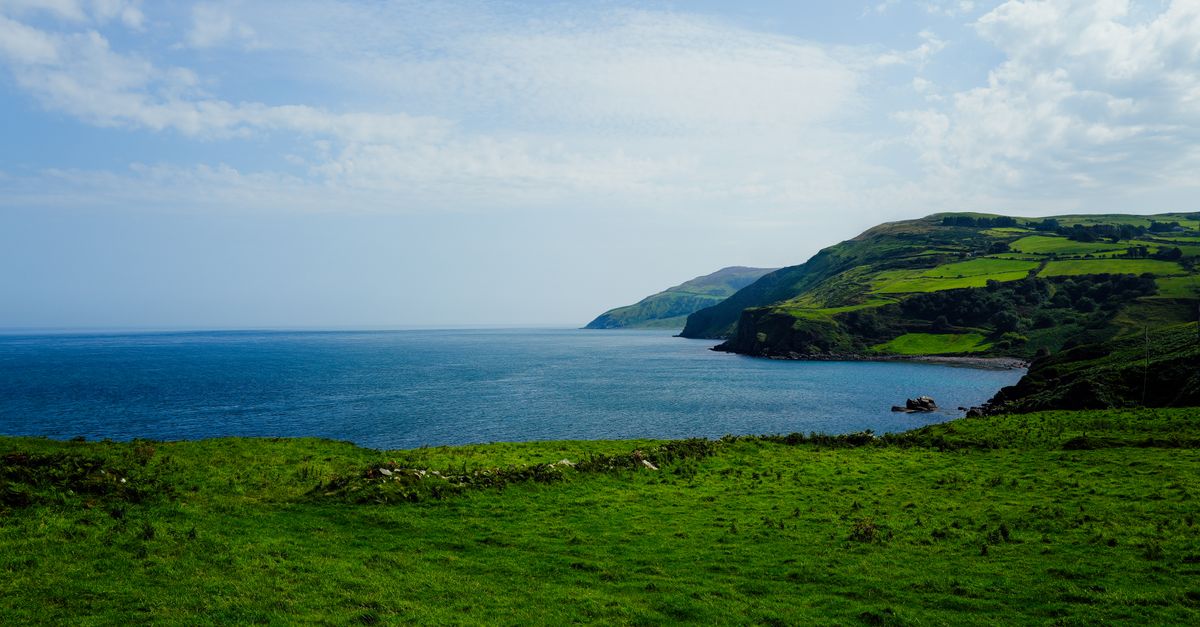
Photo · monicore · Pexels
June is the month the north opens and the last month before southern Europe charges what it charges. Both halves of that have a date.
The Icelandic highlands unlock in the first days of the month. The Mediterranean price step lands in about the third week. So the good June trip is either a long way north, or booked before the 20th.
The eight
1. Iceland, and now the middle of it as well
May had the Ring Road. June has the interior.
The highland F-roads open in stages as the snow goes and the ground dries enough to carry a vehicle. The earliest of them, F35 Kjolur and F208 to Landmannalaugar, average 1 to 2 June; the long central crossings such as F26 Sprengisandur average 6 July, so a first-week trip gets the famous ones and not the remote ones. The road authority publishes the live status and it is the only thing worth trusting on the morning of a drive.
The daylight is the other argument. By solstice, on 21 June, Reykjavik gets close to twenty-one hours of it and the sky never properly darkens, which changes the arithmetic of a driving trip completely: you can leave at nine in the evening and still be photographing at midnight.
The catch: rates climb hard through the month, and the puffin and whale tours book out. Our Ring Road route and the Icelandic calendar both have the timings.
2. Northern Norway, for actual midnight sun
Iceland gets long twilight. Above the Arctic Circle the sun does not set at all, and Lofoten, Tromso and Finnmark are the places to be standing when it does not.
June is also the driest and clearest stretch of the northern Norwegian year, which matters more than the temperature does. The fjords further south are at their fullest from the snowmelt, and the mountain passes have reopened.
The catch is the price of everything on the ground. Norway is expensive in every month and June does not discount it. The lever that works is self-catering and the ferries rather than the tour boats.
3. Hokkaido, the only part of Japan that works this month
Honshu, Shikoku and Kyushu are in tsuyu, the rainy season, which reaches the main islands in early June and holds until roughly mid-July. Japan Guide has the regional onset dates, and they are consistent enough to plan against.
Hokkaido is the exception, and it is a formal one: the meteorological agency does not declare a rainy season for Hokkaido at all. So while Kyoto is at its most humid and most grey, Sapporo, Furano and the Daisetsuzan trails are dry, mild and green, and the summer crowds have not arrived.
This is the single most useful thing to know about Japan in June, and most month-by-month lists either miss it or bury it. Our Japanese calendar has the rest of the year.
The catch: the lavender that Furano is famous for peaks in July, not June. Come for the hiking and the emptiness, not the photographs you have seen.
4. Porto, for one specific night
Sao Joao, on the night of 23 June, is the reason to put Porto in a June guide rather than a general Portugal entry. The whole city goes outside, eats sardines, sets off fireworks over the Douro at midnight, and hits each other on the head with squeaky plastic hammers, which is exactly as strange and as good as it sounds.
It is a genuine city festival rather than a staged one, it is free, and it runs through the night into the 24th, which is a local holiday.
The catch: book the room months out, and do not book anything for the morning of the 24th. Our Porto areas guide and two-day route both work around it, and the Portuguese seasons explain why June is warmer than May by a useful margin and cheaper than July by a large one.
5. Bali and eastern Indonesia
June is the start of the Indonesian dry season proper and the last month before the July and August peak, when Australian and European holidays land at the same time and the south of the island stops being pleasant.
Dry, less humid than the shoulder months, and materially cheaper than the two months that follow it for the same weather. The Bali calendar and the seven-day route have the regional detail, and the diving east of Bali is at its best from now to September.
6. Northern Tanzania
June opens the long dry season across the northern circuit, which is the straightforward reason to go: the grass is down, the water sources have concentrated, and the animals are easier to find than at any point in the green season.
The migration herds are typically working north and west through the Serengeti in these weeks, but the timing is not a schedule and no operator can promise a crossing. Anyone selling you a specific date for the Mara River is selling you a probability, and the honest version of that sentence is what to look for in a quote.
7. The Baltic capitals, for Midsummer and the white nights
Tallinn, Riga and Vilnius are the cheapest capitals in the European Union to eat and sleep in, and June is the month they are worth flying to: nineteen hours of daylight, warm evenings, and the sea finally swimmable at the end of the month.
Midsummer, on 23 and 24 June, is the biggest holiday of the year in all three countries and the cities empty into the countryside for it. That is either the trip or the thing to plan around, and it is worth knowing before you arrive to find a closed capital.
8. Slovenia and the Julian Alps, the wildcard
Bled in June and Bled in August are different places, and the difference is the coach park.
The Vintgar gorge and the Triglav trails are open by June, the lake is warm enough to swim in by the end of the month, and the whole country is small enough that Ljubljana, the Alps and the Adriatic fit in a week without a long drive.
The catch: the higher Triglav routes and huts do not all open until late June or early July, so a walking-led trip should be back-weighted in the month.
What to avoid in June
Japan outside Hokkaido. Covered above, and worth repeating because so many itineraries are booked into it by accident. The rain is not the whole problem; the humidity in Kyoto and Osaka is.
The Caribbean and the western Atlantic. Hurricane season opens on 1 June. Early-season activity is genuinely rare, which is why the prices are good, but a June booking is a priced gamble rather than a bargain, and it needs the cancellation terms read properly.
India and mainland Southeast Asia. The southwest monsoon works up India through the month and the Thai and Vietnamese wet seasons are established. There are ways to travel well in these months and June is not the one to learn on.
Southern Europe after about the 20th. Nothing changes about the weather. The prices change, by a lot, as the school terms end. If the trip is flexible by two weeks, take the earlier two.
The school-holiday note
June is a month of two halves and the school calendars are the entire reason. The northern school year ends between roughly the third week of June and the middle of July, staggered by country, and the fare and room curves follow it almost exactly.
Southern-hemisphere winter breaks start at the end of the month, which is what fills the Bali, Fiji and Queensland routes from late June and is worth knowing if you were planning to use them.
The practical read: the first three weeks of June are the value; the last week is July with a June date on it.
Before you book
May is cheaper and less open; September does most of what June does with warm sea attached. June's real advantage is the far north, which no other month offers at all.
The when to go hub collects the seasonal guides, and the June month page rates the catalogue for this month. Prices here are in each destination's own currency and the converter does the rest.
Road openings, rainy-season onsets and festival dates checked September 2026 against Iceland's road authority and Japan Guide's rainy season data. Migration timings and monsoon onsets are probabilistic, so treat any promised date with suspicion. Here is how we research and re-check guides.