What to pack for Japan in October
October spans a typhoon tail and the first cold nights, and Japan runs at 100 volts. The layers that work, the shoes, and the four things to leave home.
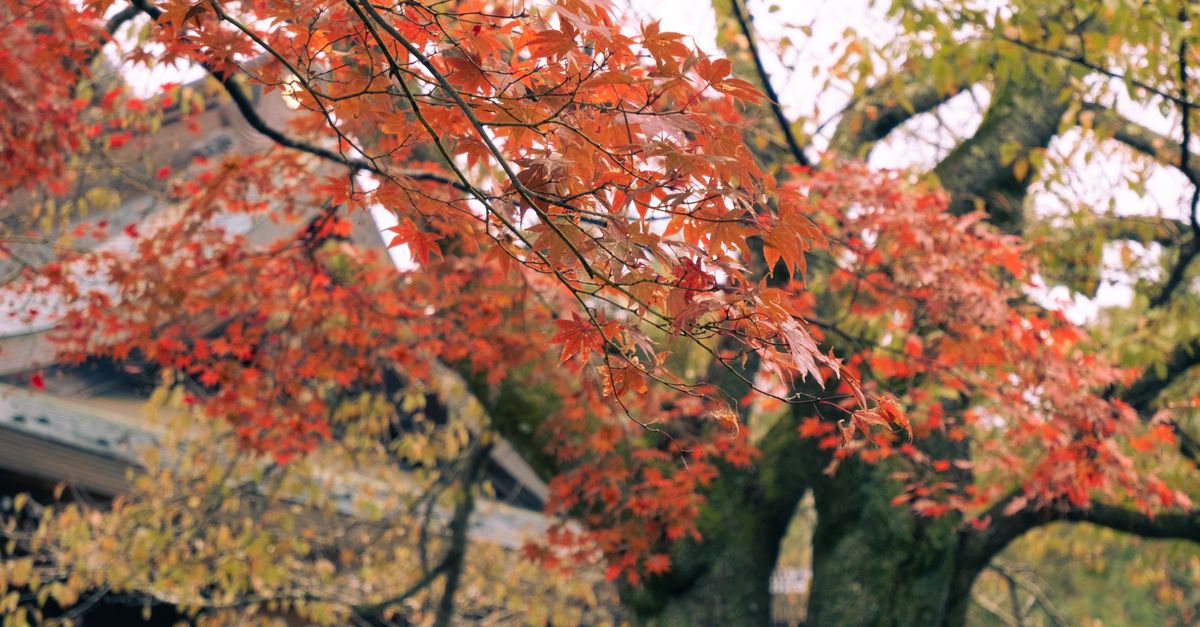
Photo · Thắng Văn · Pexels
October is the best month in the Japanese year and the hardest one to pack for, because it is really three climates at once.
Warm afternoons, cold evenings, and a typhoon tail. Tokyo and Kyoto sit in the high teens to low twenties by day and drop sharply after dark. Hokkaido is already cold by the end of the month. Okinawa is still summer.
Pack for the gap between afternoon and evening, not for the average, because the average does not exist.
Japanese yen. Convert any figure on this page into your own currency at today's published rate.
Open the currency converter →The layers, in order
A base you can wear alone. T-shirts and light long sleeves. October afternoons in the cities are genuinely warm and you will be walking 12 to 15km a day, which generates its own heat.
A real mid-layer. A fleece, a merino crew or a light down gilet. This is the piece people leave out and then buy in Uniqlo on day two, which is a perfectly good outcome and costs money you did not need to spend.
A light waterproof shell. Not a heavy coat. October rain arrives quickly and stops quickly, and a shell over a mid-layer covers everything October does in the cities.
One warm layer more if Hokkaido or the Alps are in the trip. Sapporo in late October is a different proposition to Kyoto in late October, and our June guide explains just how differently Hokkaido behaves in every season.
A scarf. Small, light, and it does more for a cold Kyoto evening than a heavier coat would.
The shoes, which matter more than the clothes
Comfortable, closed, broken in, and removable in one motion.
You will walk further than you expect and you will take your shoes off several times a day at temples, ryokan and some restaurants. Laces you loosen once on day one and leave loose, or slip-ons.
Bring more socks than days, all intact, because they become visible several times a day. This is not a small point and our Japan clothing guide makes it at length for exactly that reason.
One pair should be waterproof or at least water-resistant. October rain plus gravel temple paths is the specific combination that ruins canvas shoes.
The typhoon question, honestly
October is the tail rather than the peak. August and September are the serious months. October still produces storms, more often in the first half and further south and west, and the meteorological agency publishes live warnings in English, which is the only forecast worth checking in the week you travel.
What it means practically: it rarely ruins a trip and it does occasionally close a rail line or ground a domestic flight for a day.
Two cheap insurances. Pack a proper waterproof rather than an umbrella alone, and leave one flexible day in the middle of the itinerary rather than at the end. A day you can move is worth more than any piece of kit. The Japanese calendar has the regional storm pattern.
The electrics, which catch people out
Japan runs at 100 volts. That is lower than the entire rest of the developed world and it is the one genuinely technical thing on this list.
- Dual-voltage devices are fine. Check the label: it will say something like
100 to 240V.
- Single-voltage 220V hairdryers, straighteners and travel kettles will run
weakly, run hot, or fail. Leave them. Hotels supply hairdryers.
- The plug is usually not the problem. Japan uses the flat two-pin type, so
a lot of travellers need no adapter at all. Three-pin plugs do need one.
Checked 21 Aug 2026.
Everything we check for Japan →What October specifically adds
A small bag for rubbish. There are almost no public bins in Japan and you will carry your own for hours.
A day bag that closes. You will be on trains in crowds and carrying layers you took off at midday.
Cash. More than you would carry in Europe. Small restaurants, temples and many ticket machines are cash only, and 7-Eleven and post office ATMs take foreign cards reliably. Our Japan tips guide has the rest of the money detail, including the 10,000 yen note that half the machines refuse.
Nothing for the autumn leaves. They are not there yet in the cities. Kyoto and Tokyo peak at the very end of November into early December, and our November guide sets out why the sources disagree on the exact week. In October the colour is in Hokkaido, the Alps and Nikko.
Four things to leave at home
The big winter coat. October is not winter anywhere you are likely to be going, and the coat is bulk you carry every day for two evenings of use.
A full-size umbrella. Convenience stores sell a clear plastic one for a few hundred yen on the day it rains, and every entrance has an umbrella stand designed for it.
A hairdryer. Voltage, and every hotel has one.
Half your clothes. Japan is the easiest country in the world to travel light in: coin lockers everywhere, laundry in most hotels, and takkyubin to move a suitcase between cities overnight for a few thousand yen. Packing light here is not a discipline, it is an infrastructure you are choosing not to use.
Before you book
What to wear in Japan is the year-round version of this guide, and Japan travel tips covers the practical layer.
The Japanese calendar decides whether October is your month, and our October guide argues that it is the best month in the whole travel year.
The packing hub has the other kit lists and the Japan country page has the practical layer.
Visa-free · 90 days, on all five passports we check.
Short tourist stays only. Checked 21 Aug 2026; rules change without notice and the government page is the source of truth.
Check your own passport →Seasonal weather and storm-season patterns checked September 2026 against the Japan Meteorological Agency and Japan Guide's month-by-month weather. Regional variation in October is large, so check the forecast for the specific cities in your route rather than for Japan. Here is how we research and re-check guides.