Japan travel tips that aren't in every listicle
Luggage forwarding, the 100V problem, the note that ticket machines refuse and the tax-free threshold. Twelve things that change how a Japan trip runs.
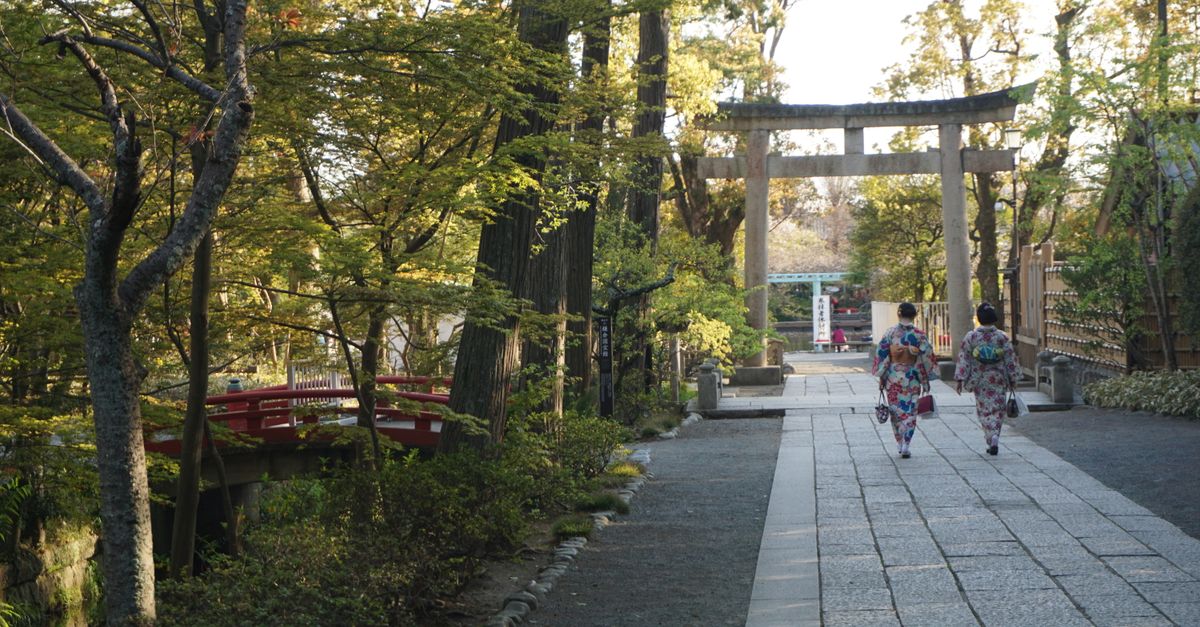
Photo · Iban Lopez Luna · Pexels
Most Japan tip lists tell you to bow, take your shoes off and not tip. You knew that. Here are twelve that actually change how a trip runs.
Japanese yen. Convert any figure on this page into your own currency at today's published rate.
Open the currency converter →1. Send your suitcase ahead
Takkyubin is Japan's overnight luggage courier network and it is the single biggest improvement available to a multi-city trip. Hand a suitcase to your hotel's front desk in the morning, it arrives at the next hotel the following afternoon, for a few thousand yen.
Why it matters more here than elsewhere: Japanese stations are enormous, involve long connecting walks and a lot of stairs, and Shinkansen luggage racks are now reservation-controlled for large bags. Travelling between cities with an overnight bag instead of a suitcase changes the day completely.
2. Japan runs at 100 volts, which is lower than anywhere
The plug is usually not the problem: Japan uses the flat two-pin type that a lot of the world already carries.
The voltage is the problem. At 100V, a dual-voltage device is fine and a single-voltage 220V hairdryer, straightener or travel kettle will run weakly, run hot, or not run. Check the label on the device, which will say something like 100 to 240V if it is safe.
Checked 21 Aug 2026.
Everything we check for Japan →3. Ticket machines and the 10,000 yen note
Many ticket machines, lockers and small vending machines will not take a 10,000 yen note, and some will not take 5,000 either. ATMs dispense them happily.
Break big notes at a convenience store early, on something small. It costs nothing and it prevents the specific moment where you are standing at a locker with a bag, a train to catch and a note nothing will accept.
4. Coin lockers are the whole city's left-luggage system
They are everywhere, in every size, at every station, and they take IC cards as well as coins. They fill by mid-morning at the big tourist stations, so if the plan involves dropping a bag at Kyoto Station at eleven, it involves queueing for a locker instead.
The reliable version: use a locker one station away from the famous one, or use the station's staffed baggage counter.
5. Put the IC card on your phone before you fly
Covered in more detail in our Tokyo first-timers guide, and it belongs here too: a Suica added to an iPhone or Apple Watch wallet works on every line, every bus, and in convenience stores, and it removes the airport queue for a physical card entirely.
6. Google Maps gives you the exit number. Use it.
Shinjuku station has more than two hundred exits. Coming out of the wrong one puts you fifteen minutes and one enormous building away from where you meant to be.
The exit number is part of the direction, not a detail. Japanese wayfinding assumes you know it, and the signage inside the station is excellent and is organised around it.
7. Convenience stores are genuinely good food
This is not a budget compromise. 7-Eleven, Lawson and FamilyMart in Japan sell food that would be a respectable lunch in most countries: onigiri, egg sandwiches, karaage, decent coffee from the machine at the counter, and in winter the oden pot by the till.
They also do the practical work: ATMs that take foreign cards, ticket printing, parcel drop-off, and clean toilets.
8. Tax-free shopping starts at 5,000 yen
Spend 5,000 yen or more in a single day at one participating shop, show your passport, and the consumption tax comes off at the till or at a tax-free counter.
The tourism board sets out the scheme and its categories, including the goods that have to stay sealed until you leave the country.
Keep the paperwork with the passport, and expect it to be looked at when you leave. It is a real saving on a camera, a jacket or a kitchen knife, and completely irrelevant on lunch.
9. Price the rail pass instead of assuming it
The seven-day Japan Rail Pass is 50,000 yen and it needs roughly three long-distance Shinkansen legs to break even. A Tokyo-based trip does not come close, and a simple Tokyo to Kyoto return does not either.
Do this instead: list your actual intercity journeys, price them individually on a fare site, and compare. Regional passes, which are much cheaper and cover one area properly, are the right answer far more often than the national one. What Japan costs has the arithmetic and the fourteen-day route is roughly where the national pass starts to make sense.
10. Carry your rubbish, and carry a bag for it
There are almost no public bins, a legacy of security policy in the mid-1990s, and it catches every visitor out on the first day.
Carry a small bag. Bins exist beside vending machines for cans and bottles, and inside convenience stores, and that is roughly the whole network.
11. The taxi door opens itself
Do not touch it. The rear left door is operated by the driver and reaching for it is the small awkward thing every visitor does once.
While we are here: taxis are expensive and often unnecessary. The rail network goes almost everywhere until roughly midnight, and after midnight the taxi is expensive precisely because the trains have stopped.
12. Book the restaurant, not the sight
Japan's best small restaurants seat eight to twelve people and take bookings weeks out. The famous temples do not need a booking and are better at 7am anyway.
Invert the usual planning order. Fix two or three dinners before you fly and improvise everything else, which is the reverse of how most people plan and the right way round for this country.
The one everyone repeats that is wrong
"You must not eat while walking, ever." The useful version is narrower: do not eat on trains, do not eat while walking through a crowd, and do eat at the stall you bought it from, which is why food streets have a low wall or a counter by them.
And the tattoo rule is not a national ban. It is an onsen policy, it varies by property, and private baths solve it. What to wear in Japan has the detail.
Visa-free · 90 days, on all five passports we check.
Short tourist stays only. Checked 21 Aug 2026; rules change without notice and the government page is the source of truth.
Check your own passport →Before you book
First time in Japan is the country-level version and Tokyo for first-timers covers the transport decisions.
The Japanese calendar decides the month, and our November guide makes the case for the end of it.
The first trips hub collects the rest and the Japan country page has the practical layer.
Pass prices, the tax-free threshold and voltage checked September 2026 against the Japan National Tourism Organization and Japan's tax-free shopping guidance. Thresholds and pass prices change, and the official page is the source of truth. Here is how we research and re-check guides.