Seoul or Tokyo
Tokyo is deeper and Seoul is cheaper and faster, and the deciding round is what you want a city to feel like. Six rounds, a winner each, and the both option.
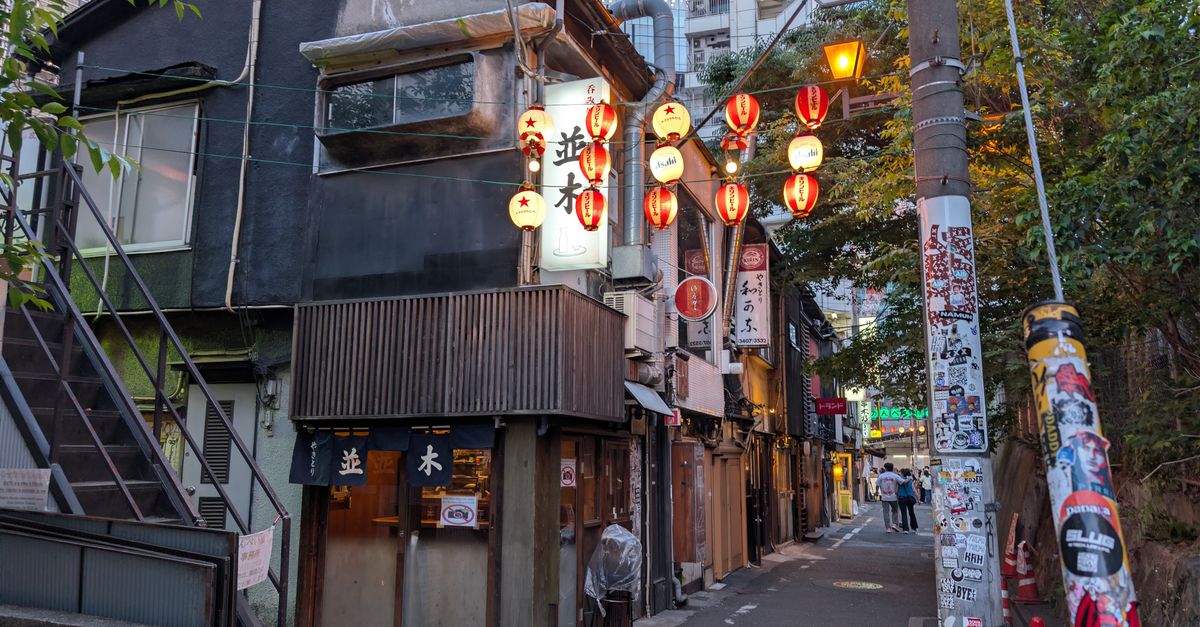
Photo · cityintake · Pexels
Tokyo if it is a first trip to Asia and you want depth, range and the things Japan is famous for.
Seoul if you want cheaper, faster and younger, with the best nightlife in Asia.
Tokyo has more. Seoul has more energy per hour. That is the whole comparison, and the rounds below fill it in.
South Korean won. Convert any figure on this page into your own currency at today's published rate.
Open the currency converter →Round 1: depth and range. Tokyo.
Tokyo is one of the great cities of the world and it is not a close round. Thirty-seven million people in the metropolitan area, more Michelin stars than any city on earth, world-class galleries, and neighbourhoods that would be destinations in their own right.
Seoul is a large, serious, interesting city. It is not that.
Winner: Tokyo.
Round 2: cost. Seoul.
Cheaper across the board, and widest on food and drink. A dinner that would be a considered purchase in Tokyo is an ordinary Tuesday in Seoul.
Accommodation, transport and attractions all follow. Our Seoul areas guide and Tokyo areas guide have the comparison by neighbourhood.
Winner: Seoul.
Round 3: food. Split, and here is the honest version.
Tokyo wins on range and refinement. More cuisines, more depth in each, and the best fine dining in the world by most measures.
Seoul wins on the everyday. Korean eating is social and loud: shared grills, banchan arriving unbidden, and a culture of moving through rounds across a night. It is more fun and less refined, and for a lot of travellers that is the better trade.
Winner: Tokyo on quality, Seoul on the experience. Our Tokyo food guide makes Tokyo's case at length.
Round 4: nightlife. Seoul.
Not close. Seoul runs later, denser and harder. Hongdae, Itaewon and Gangnam each do something different, and the city's cha culture of successive rounds through the night has no real Tokyo equivalent.
Tokyo's nightlife is excellent and compartmentalised: Golden Gai's tiny bars, Shibuya's clubs, the standing bars under the tracks. It is more specific and it closes earlier, and the last train is a genuine constraint.
Winner: Seoul.
Round 5: getting around. Tokyo, narrowly.
Both have exceptional metro systems and this is a much closer round than it sounds.
Seoul's is arguably easier to use: signage is comprehensively bilingual, stations are numbered, and the fares are simpler. The city publishes the network and fares in English, and our Seoul guide covers the T-money card and the free transfers.
Tokyo's is larger and more complicated, with multiple operators and a fare system that catches people out, and it goes more places.
Winner: Tokyo on coverage, Seoul on usability.
Round 6: the feel. This is the deciding round.
Tokyo is ordered, reserved and layered. It rewards a slow visit and repeat trips, and it can feel impenetrable in three days.
Seoul is fast, direct and relentlessly current. It rebuilds itself constantly, the pace is higher, and it is easier to feel part of on a first visit.
Neither is better. They are different answers to what a city should be, and the one you want is the one that matches how you like to spend an evening.
Choose Tokyo if
- It is a first trip to Asia.
- Galleries, design, architecture or fine dining are the point.
- You want the deepest possible city and have a week or more.
- You are combining it with Kyoto, which is the standard and excellent shape.
Our fourteen-day route does it.
Choose Seoul if
- The budget matters.
- The nightlife is the point.
- You have done Tokyo.
- You want a city that is easier to read quickly.
- You are combining it with the rest of Korea, which our
ten-day route covers.
Or do both
Two and a half hours by air, on one of the busiest corridors in the world, and fares are frequently low.
A ten-day trip splitting the two is genuinely good and is a common shape: four or five nights in each, with a flight in between that costs less than a domestic train in Europe.
The one thing to watch: both countries' entry systems are separate, and Japan has JESTA coming in 2028, which our Japan visa guide covers. Korea has its own electronic authorisation for some nationalities, so check both rather than one.
Short tourist stays only. Checked 21 Aug 2026; rules change without notice and the government page is the source of truth.
Check your own passport →When to go, which is nearly the same answer
Both peak in spring and autumn, and both have hot humid summers and cold winters.
Korea's best month is May and Japan's are late October and November, which our Korean calendar and Japanese calendar set out.
If you are doing both, late October gets Japan at its best and Korea in its second-best window.
Checked 21 Aug 2026.
Everything we check for South Korea →Before you book
Where to stay in Seoul and where to stay in Tokyo are the two cities in detail.
Tokyo or Osaka is the other Japanese comparison, and four days in Seoul is the Korean itinerary.
The best of hub collects the rest and the South Korea country page has the practical layer.
Transport and entry arrangements checked September 2026 against Visit Seoul's official site and Japan's national tourism organisation. Both countries operate their own entry authorisation systems on separate timetables, so check each rather than assuming they match. Here is how we research and re-check guides.