Do you need a visa for Japan?
For 74 nationalities, no, and 90 days is the standard. JESTA is coming but not until 2028, which a lot of coverage has got wrong. The rules that matter.
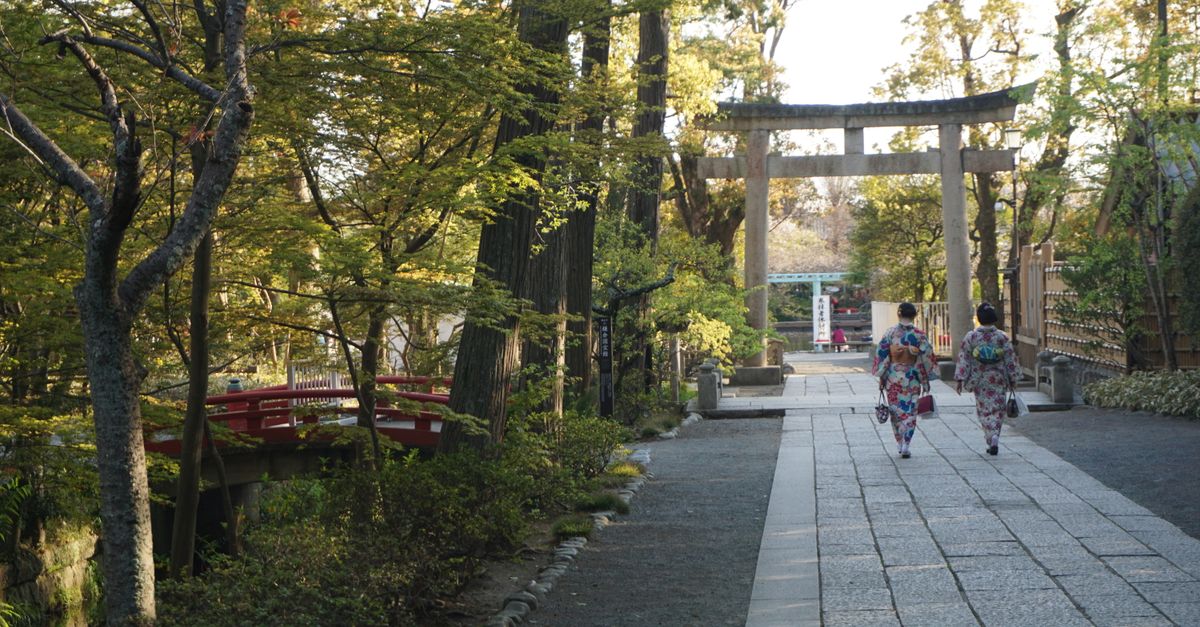
Photo · Guohua Song · Pexels
For nationals of 74 countries and regions, no. Japan has reciprocal exemption arrangements with them, and 90 days is the standard permitted stay.
Everyone else applies in advance at a Japanese embassy or consulate.
And JESTA is not a thing you need yet, despite a lot of coverage suggesting otherwise.
Visa-free · 90 days, on all five passports we check.
Short tourist stays only. Checked 21 Aug 2026; rules change without notice and the government page is the source of truth.
Check your own passport →JESTA, and why it does not affect your trip
Japan's parliament passed the law creating JESTA on 29 May 2026.
The system is targeted for the 2028 financial year, which in Japan means between April 2028 and March 2029. The legislative timetable is reported here.
So: it is not required for travel in 2026 or 2027. A number of articles have run headlines that read as though it is live, and it is not.
What it will be when it arrives: an electronic travel authorisation, applied for online before departure, for citizens of the 70-plus visa-exempt countries. The fee has been indicated at around ¥2,000 to ¥3,000. It is the same shape as the American ESTA and the European ETIAS, which our first trip to Europe guide covers for the other end.
What it will not be: a visa. It is a screening step for people who are already exempt.
The 90-day rule, precisely
90 days is a permitted period of stay, granted on entry. It is not a rolling 180-day allowance of the kind the Schengen area operates, which is a genuinely different system and the most common thing people get confused between.
Some exemptions are shorter. A number of nationalities are granted 15 or 30 days rather than 90.
A few are longer. Switzerland, among others, is granted up to 180 days.
Extensions inside Japan are possible in some circumstances at an immigration bureau and are not automatic and should not be planned on.
Check your own passport, which is what the card above does, and which is the only version that matters.
What visa exemption does and does not cover
Covered: tourism, visiting friends and relatives, and certain business activities such as meetings, conferences and contract negotiation.
Not covered: any paid work, including remote work performed while you are in Japan. That distinction is not enforced the way people sometimes assume and it is the legal position, and it is what the digital nomad visa introduced in April 2024 exists for. That runs six months, is non-extendable, requires an annual income of ¥10 million, and our Japan nomad visa guide has the detail.
At the airport
What you need:
- A passport valid for your stay. Japan does not impose a six-month rule for exempt visitors, and many airlines apply their own, so leave margin.
- An arrival card and customs declaration. Japan uses electronic pre-registration for both, which produces QR codes you scan at the kiosks. Do it before you fly. It is materially faster than the paper cards.
- An onward or return ticket. Asked for inconsistently and worth having.
- An address in Japan for the first night.
Fingerprints and a photograph are taken on entry for most foreign nationals.
Have the address written down rather than only in an app, because the kiosks and the officers both ask and the queue is not where you want to be searching a booking email.
Checked 21 Aug 2026.
Everything we check for Japan →The things that catch people out
Medication. This is the real one. Japan prohibits or restricts several medicines that are ordinary elsewhere, including some common cold and allergy preparations containing pseudoephedrine, and certain ADHD medications. Bringing them can be a serious matter rather than a confiscation. Check before you travel and, where required, apply for a Yakkan Shoumei import certificate in advance.
Cash declarations apply above a threshold.
And the tax-free shopping rules changed, with the system moving towards a refund-on-departure model, so keep receipts and your passport together.
If you do need a visa
Apply at a Japanese embassy or consulate in your country of residence, and in many countries applications go through an accredited travel agency rather than directly.
Allow several weeks, and longer in peak season.
A short-term stay visa typically requires a schedule of activities, proof of funds, and in some cases a guarantor or inviter in Japan.
Before you book
Japan for first-timers is the guide this sits alongside, and Japan travel tips has the things that are not in every listicle.
The Japanese calendar decides the month, and the fourteen-day route is the trip.
The Japan digital nomad visa covers working there rather than visiting.
The first trips hub collects the rest and the Japan country page has the practical layer.
Entry rules and the JESTA timetable checked September 2026 against Japan's Ministry of Foreign Affairs and reporting on the JESTA legislation. Exemption lists and permitted stay lengths are set per country and change, and the medication rules are the item most worth checking against the official source rather than any guide.