First time in Japan, and the ten things that catch everybody
Not a list of sights. The practical layer a first trip to Japan actually runs on: the IC card, the cash question, luggage forwarding and the booking windows.
Photo · Bram Goudeseune · Pexels
This is not a list of sights. The sights are in the itineraries and they are the easy part.
This is the practical layer: the ten things that catch first-timers, most of which nobody mentions until you are standing at a ticket machine at Narita with a queue behind you.
Japanese yen. Convert any figure on this page into your own currency at today's published rate.
Open the currency converter →1. Two cities. Not five.
The most common mistake on a first trip to Japan is trying to see too much of it, and the country makes that mistake easy because the trains are so good.
Tokyo, and one of Kyoto or Osaka. Day trips from each. That is the shape. Every additional base costs a packing morning, a station transfer with luggage and a check-in, and on a seven-day trip those add up to a whole day of your holiday spent moving.
Kyoto or Osaka settles the second choice, and the short version is Kyoto if the temples are the trip and Osaka if the budget is.
2. Get an IC card before you do anything else
Suica or PASMO. They are the same thing for a visitor and it does not matter which.
It pays for every train, subway, bus, convenience store, vending machine and coin locker in the country. It is the single largest removal of friction available and it takes four minutes at a machine in the airport station.
Two notes. Unregistered cards are back on general sale after a shortage, and iPhone users can add a Welcome Suica Mobile which lasts 180 days. Most Android phones bought outside Japan lack the FeliCa chip these cards run on, so if you are on Android, get a plastic card and top it up with cash.
3. The cash question, answered properly
Japan's reputation as a cash economy is about a decade out of date and not entirely wrong.
Cards work almost everywhere in cities. What is still cash: shrine and temple offices, small owner-run restaurants, some buses, most temple ticket windows, and the occasional excellent place with a queue outside it.
Carry ¥10,000 to ¥20,000 and treat it as a float rather than a budget. 7-Eleven ATMs are the reliable ones for foreign cards, they are everywhere, and they work at three in the morning. Japan Post ATMs are the other good option.
4. Send your luggage ahead
Takuhaibin, the overnight luggage forwarding service, is the best thing in Japanese travel and most visitors never use it.
Hand your case to your hotel's front desk in Tokyo in the morning, and it is at your Kyoto hotel the next afternoon. It costs a fraction of a taxi.
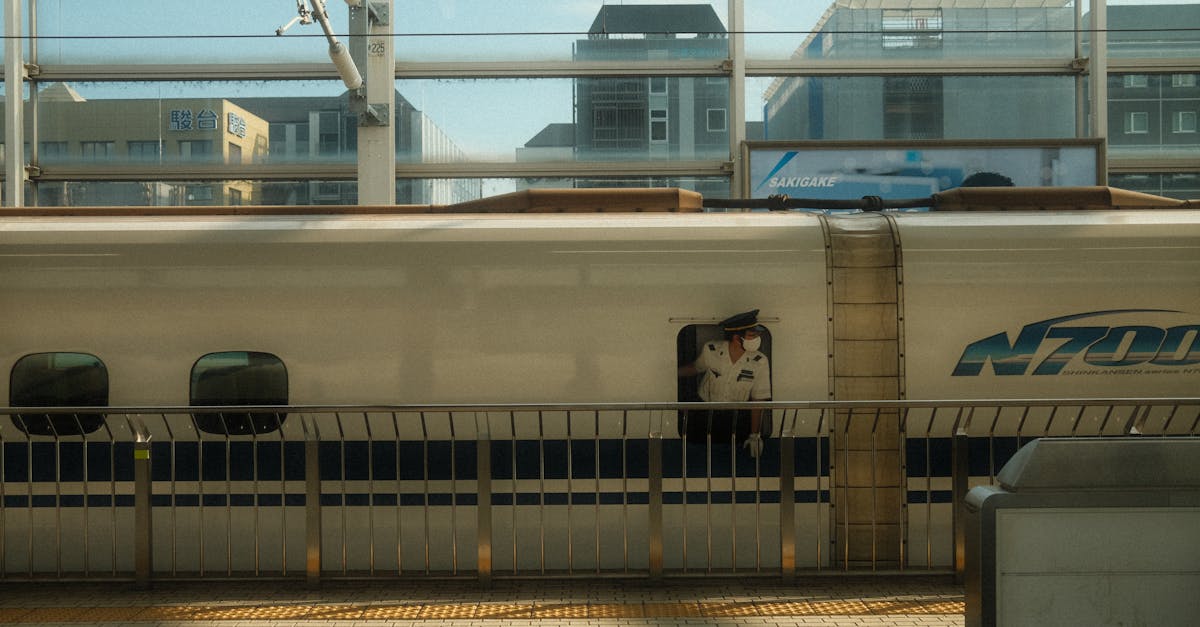
What it buys you: you travel with a day bag, you are not wrestling a suitcase through Tokyo Station, and you avoid the oversized baggage reservation rule entirely. On the Tokaido, Sanyo and Kyushu Shinkansen, a case whose height, width and depth add up to between 160cm and 250cm needs a reserved seat in an oversized-baggage row. Strollers are exempt; suitcases are not.
5. Three booking windows with hard edges
Most of Japan is more relaxed about advance booking than its reputation. Three things are not, and missing them is the commonest source of disappointment.
| What | When it releases |
|---|---|
| Shibuya Sky | Exactly 14 days ahead, midnight Japan time |
| Ghibli Museum | 10am Japan time on the 10th, for the following month only |
| teamLab Planets | Weeks ahead for weekends |
Shibuya Sky breaks the usual advice: you cannot book early even if you want to. Work out what midnight in Tokyo is where you live and set an alarm. Sunset slots go in minutes.
The Ghibli Museum is first-come rather than a lottery, through Lawson Ticket, with no door sales and no resale.
6. Three dates that are not negotiable
Golden Week, 29 April to 5 May. The biggest domestic travel week of the year. Reserved seats vanish, hotel rates roughly double, and Kyoto averaged about ¥48,900 a night during it.
Obon, roughly 13 to 16 August. Families travel home. Everything fills.
New Year, about 29 December to 3 January. This one is different in kind: it does not just fill things, it closes them. Restaurants, small museums and family-run shops shut for several days. The shrines, meanwhile, are extraordinary.
The best time to visit Japan has the rest, including the arrivals data showing that the quiet season most guides promise no longer exists.
7. The rail pass probably is not for you
A seven-day Japan Rail Pass is ¥53,000 from 1 October 2026, and a Tokyo-and-Kyoto week generates roughly ¥36,000 of travel. The pass has to find another ¥17,000 that a first trip does not contain.
Buy point-to-point tickets. The full arithmetic is here, along with the six separate price rises that landed during 2026.
8. The etiquette that actually matters
Japan's reputation for elaborate rules intimidates people and most of it does not apply to visitors. Five things do.
Do not eat while walking. Buy, stop, eat, then move.
There are almost no public bins. Your wrapper comes with you until you find a convenience store.
Be quiet on trains. No phone calls. This is the one locals notice.
Shoes off where there is a step up and a rack, which is most homes, many restaurants, all ryokan and some temples.
Tattoos are still refused at a lot of traditional onsen. If that affects you, look for a ryokan with a private family bath, a kashikiri buro, which most now offer by the hour.
Nobody expects you to bow correctly. Everybody notices if you are loud on a train.
9. The language is not the barrier you think
Station signage is bilingual across the whole country. Ticket machines have an English button. Translation apps handle menus well, and pointing works.
More to the point: people will go a long way out of their way to help you, including walking you to where you are going. Learn sumimasen, arigatō gozaimasu and onegaishimasu and you have most of what you need.
10. Land, then do nothing
Flights into Tokyo mostly arrive in the afternoon and jet lag from Europe or the Americas is substantial.
Give the first day away. Get the IC card, walk somewhere near the hotel, eat early, sleep. The people who schedule Shibuya Sky for the evening they land are the people who spend day two asleep.
And the airport transfer itself: the Narita Skyliner is ¥5,200 round trip, up from ¥5,000 in March 2026, and takes about 41 minutes to Ueno. From Haneda you are on a normal train in twenty minutes.
The paperwork
Visa-free · 90 days, on all five passports we check.
Short tourist stays only. Checked 21 Aug 2026; rules change without notice and the government page is the source of truth.
Check your own passport →Checked 21 Aug 2026.
Everything we check for Japan →Two additions to that card. The departure tax is ¥3,000, collected inside your air fare rather than at the airport. And the arrival card and customs declaration are done online in advance now for most travellers, through Visit Japan Web, which saves fifteen minutes in a queue at a point in the day when you have no patience left.
What to skip
A five-city first trip. Covered at the top and it is the one that costs the most.
Buying a rail pass by default. Do the arithmetic.
Booking the first evening. Jet lag wins.
Assuming you need cash for everything, or for nothing. Both wrong.
Worrying about the etiquette. Be quiet on trains, take your rubbish with you, and you are ahead of most visitors.
Skipping the convenience stores. Konbini food in Japan is genuinely good and it is a legitimate meal, not a compromise. Onigiri now run ¥120 to 250 rather than the ¥100 every older guide still quotes.
Where to go next
For the route: seven days in Japan is the standard first trip and fourteen days is what to do with more time. Within the cities, five days in Tokyo and three days in Kyoto are built around the early mornings that decide how crowded Japan feels, and how many days in Tokyo answers the question people ask before either of those.
For the money, what a Japan trip costs. For the month, the best time to visit Japan. For where to sleep, Tokyo and Kyoto. For the day trips and their passes, day trips from Tokyo. With children, Japan with kids and Tokyo with kids. And the Japan country guide has the practical facts in one place. More in the first trips hub.
Fares, booking windows and rules checked September 2026. JR East's fare revision landed on 14 March, the rail pass rises on 1 October, and Japan's own tourism body publishes the current entry procedures.