How much a trip to Japan costs, after the year everything went up
Six separate price rises landed in Japan during 2026 and most cost guides are still using the old figures. What a week and a fortnight actually come to, in yen.
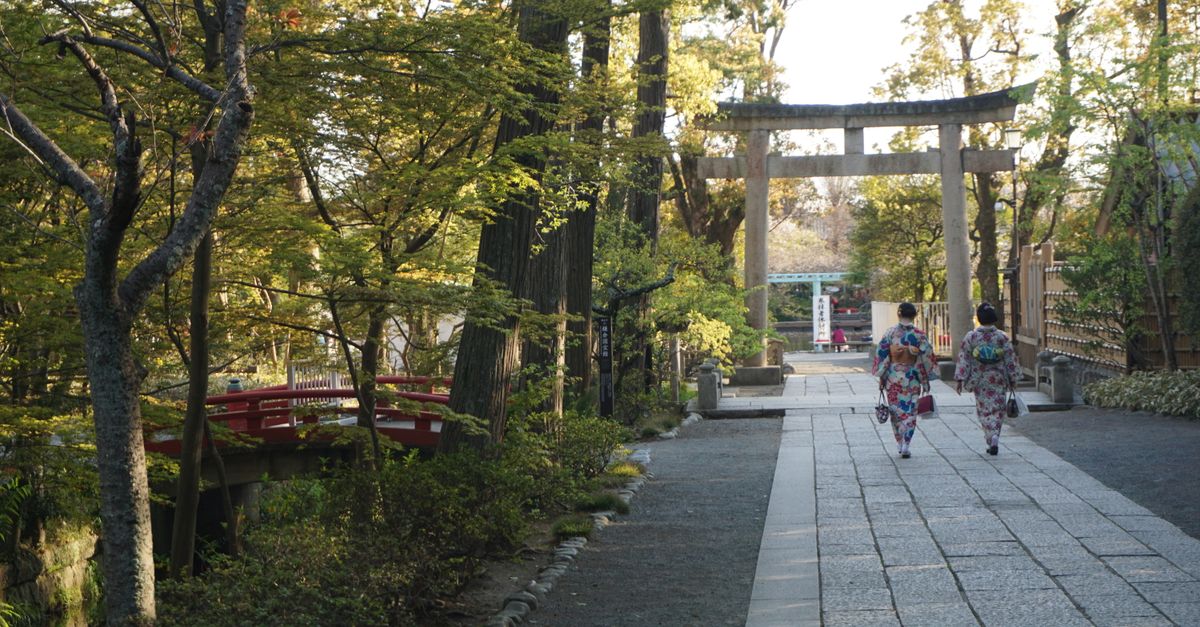
Photo · Nick Wehrli · Pexels
Six separate price rises landed in Japan during 2026, and almost every cost guide still ranking for this question is quoting at least one figure that is now wrong.
Here they are in one place, and then the actual budgets.
Japanese yen. Convert any figure on this page into your own currency at today's published rate.
Open the currency converter →What changed in 2026
| What | Was | Now |
|---|---|---|
| JR East fares, 14 March | Yamanote base ¥150 | ¥160, and about +7.1% overall |
| Tokyo-area discount fare zones | Applied | Abolished, so city journeys rose more |
| Tokyo Subway Ticket, 24 hours | ¥800 | ¥1,000 |
| Narita Skyliner, round trip | ¥5,000 | ¥5,200 |
| Kyoto accommodation tax, 1 March | Flat-ish, low | Five bands, top rate ¥10,000 |
| Japan Rail Pass, 7 days, from 1 Oct | ¥50,000 | ¥53,000 |
Two of those matter more than the rest. The JR East revision was the first proper fare rise in nearly four decades, and abolishing the metropolitan discount zones meant Tokyo felt it harder than the 7.1% headline suggests. And Kyoto's tax restructure is the biggest single change to what a Japan trip costs in years, because it is charged per person per night and it compounds against exactly the accommodation people go to Kyoto for.
Also worth knowing and easy to miss: the departure tax is ¥3,000, collected in your air fare.
What a week costs
Per person, in yen, excluding international flights. Seven nights, Tokyo and Kyoto, which is what most first trips are.
| Careful | Comfortable | Generous | |
|---|---|---|---|
| Accommodation, 7 nights | ¥49,000 | ¥105,000 | ¥250,000+ |
| Accommodation tax | ¥1,400 | ¥3,500 | ¥20,000+ |
| Local transport | ¥7,000 | ¥9,000 | ¥12,000 |
| Tokyo to Kyoto and back | ¥26,600 | ¥27,700 | ¥27,700 |
| Airport transfers | ¥5,200 | ¥5,200 | ¥12,000 |
| Food | ¥21,000 | ¥42,000 | ¥120,000+ |
| Sights and entries | ¥8,000 | ¥14,000 | ¥25,000 |
| Seven-day total | ~¥118,000 | ~¥206,000 | ~¥470,000 |
Double the accommodation, food and sights lines and add one more inter-city journey for a fortnight, and you land at roughly ¥210,000, ¥420,000 and ¥900,000.
Where those numbers come from
Rooms. A business hotel runs ¥7,000 to ¥20,000 a room and a ryokan ¥15,000 to ¥30,000 per person including dinner and breakfast. That per-person pricing is why a ryokan night costs more than it looks: the accommodation tax is also per person, so a couple in a ryokan is taxed roughly double a couple in a hotel room at the same headline rate.
And the month matters more than the choice. The Kyoto City Tourism Association's own monthly survey put the city-wide average at ¥17,744 a night in July 2026 and ¥26,017 in March 2026, with Golden Week averaging about ¥48,900. That is a 47% swing on the same rooms, and it is the single biggest lever in this whole table. The best time to visit Japan has the full picture, including the arrivals data showing why the quiet season people plan around no longer exists.
Food, which is where Japan is cheaper than its reputation:
| Typical | |
|---|---|
| Konbini breakfast | ¥350–500 |
| Ramen | ¥600–1,200 |
| Set lunch (teishoku) | ¥1,000–1,500 |
| Izakaya dinner, per head | ¥2,500–4,500 |
| Counter omakase | ¥15,000–30,000+ |
Two notes. **Izakaya add an otoshi cover charge of ¥300 to 600 a head, which is a small appetiser you did not order and is neither a scam nor optional. And the ¥100 convenience-store onigiri no longer exists: rice prices have pushed them to ¥120 to 250**, with premium fillings near ¥300.
Transport. A one-way ordinary reserved seat on the Hikari from Tokyo to Kyoto is ¥13,850, with an unreserved seat at ¥13,320 and the faster Nozomi about ¥520 more. Some 2026 listings quote figures near ¥19,000 for this journey, which does not match the ordinary one-way fare and appears to be a different product or a return; check at the machine rather than budgeting from it.
The rail pass, and why it usually loses
A seven-day Japan Rail Pass is ¥53,000 from 1 October 2026, up from ¥50,000.
Run the standard first trip against it. Tokyo to Kyoto and back on the Hikari is about ¥27,700. Add a Kyoto to Osaka return and a week of local travel and you are somewhere around ¥36,000. The pass has to find another ¥17,000 of travel to break even, and a Tokyo-and-Kyoto week does not contain it.
The pass earns its price on a route that crosses the country repeatedly: Tokyo to Hiroshima to Kyoto to Kanazawa in a week, for instance. Most first trips are not that route, and the seven-day itinerary is not that route either.
Buy point-to-point tickets. And note the pass covers the Hikari but not the Nozomi, which costs you about 25 minutes each way rather than anything material.
What the sights cost
| Price | Note | |
|---|---|---|
| Shibuya Sky | ¥2,700 before 3pm, ¥3,400 after | Releases 14 days ahead at midnight JST |
| teamLab Planets | ¥3,800 weekday, ¥4,200 weekend | Closes at the end of 2027 |
| Ghibli Museum | ¥1,000 adult, ¥100 age 4–6 | 10am JST on the 10th, prior month |
| Tokyo Skytree | ¥2,100–2,600 | A day or two ahead is fine |
| Kiyomizu-dera, Kinkaku-ji | ¥500 each | Walk up |
| Fushimi Inari, bamboo grove | Free | Always open |
| Hakone Freepass, 2 days | ¥7,100 from Shinjuku | Validity starts on purchase date |
| Enoshima-Kamakura Freepass | ¥1,640 adult, ¥430 child | One day |
The pattern worth noticing: the most famous things in Kyoto are free, and the things that cost money in Tokyo are mostly views and installations. A tight budget loses very little in Kyoto and quite a lot in Tokyo.
Where the money actually goes
If your trip comes in over budget, it will be one of three lines, in this order.
Rooms in the wrong month. Covered above, and it is worth more than every other saving combined.
Too many cities. Every extra base is a Shinkansen leg at ¥10,000 to ¥15,000, a check-in and a packing morning. Two cities is the right answer for a first trip.
Buying a rail pass you did not need. ¥53,000 against about ¥36,000 of actual travel is a ¥17,000 mistake made before you land.
What to skip
The rail pass, unless the arithmetic says otherwise. Do the sum with your own route rather than assuming.
Golden Week, Obon and New Year. Golden Week averaged about ¥48,900 a night in Kyoto. That is nearly triple the July figure for worse crowds.
Taxis in Tokyo. They are excellent and they are expensive, and the network is better. The exception is Kyoto's Arashiyama to Kinkaku-ji leg, where a ¥2,000 fare split three ways beats an hour on a bus.
Assuming Japan is expensive and budgeting accordingly. Food and transport are cheaper than most of western Europe. The rooms are where it bites.
Visa-free · 90 days, on all five passports we check.
Short tourist stays only. Checked 21 Aug 2026; rules change without notice and the government page is the source of truth.
Check your own passport →Checked 21 Aug 2026.
Everything we check for Japan →Before you book
First time in Japan is the practical hub: the IC card, the cash question, the luggage forwarding and the booking windows. The best time to visit Japan is the single biggest influence on this page's numbers, and how many days in Tokyo settles the other one. The seven-day and fourteen-day routes are what these budgets are built against, where to stay in Tokyo and Kyoto have the area-by-area rates and the tax tables, and Kyoto or Osaka shows how much the tax difference is now worth. The Japan country guide has the practicalities. Ready to look at rooms? Tokyo stays here and Kyoto stays here.
Fares, taxes and price bands checked September 2026. Six separate rises landed during the year, the rail pass rises again on 1 October, and JR East's own revision abolished the discounted metropolitan fare zones, so any budget built before March 2026 is understating this trip.