How many days in Tokyo, and what each extra one buys you
Four days is the floor, five is the answer and seven is generous. What each additional day actually buys, and why the geography decides it rather than the list.
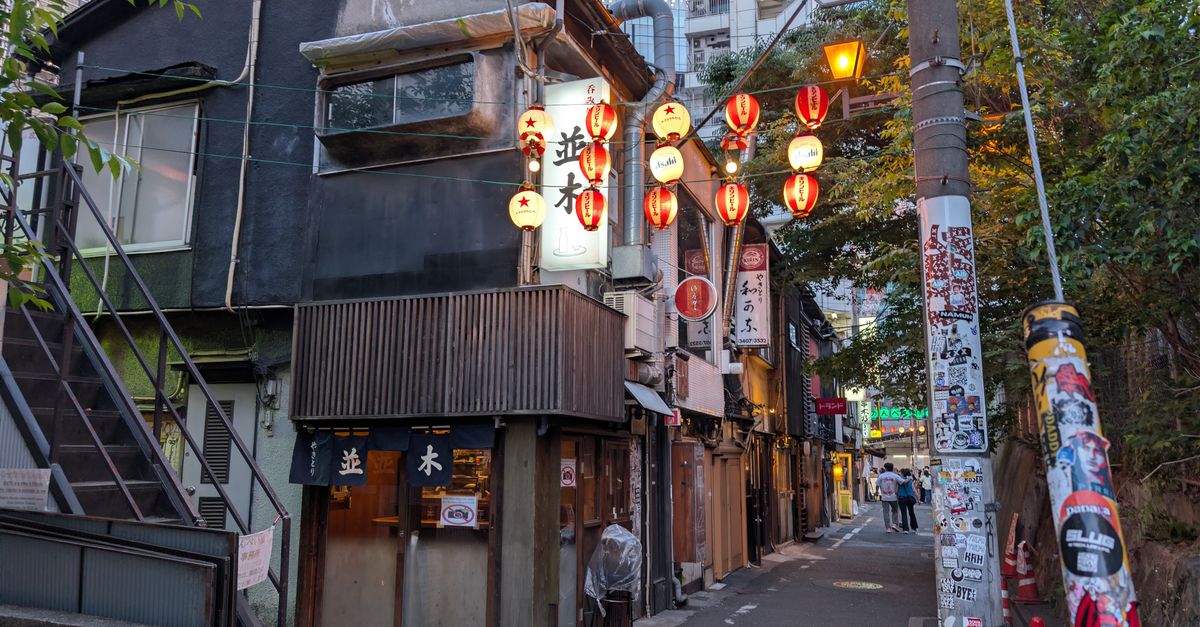
Photo · Acres of Film · Pexels
Five.
Four is the floor. Seven is generous and buys you two day trips. Three sees one arc of the city and leaves you planning a return trip on the flight home.
The reason is not the number of sights, because every big city has more than you can do. It is the geography, and Tokyo's is unusual in a way that decides the arithmetic.
Japanese yen. Convert any figure on this page into your own currency at today's published rate.
Open the currency converter →Why the geography sets the number
Tokyo has no centre. It has districts arranged around a rail loop, and each one is a proper afternoon in its own right.
Shibuya and Harajuku are one day. Asakusa and Ueno are another, at the opposite side of the Yamanote line. The bay, Tsukiji and Toyosu, is a third. Shinjuku is a fourth. Marunouchi, Ginza and Roppongi are a fifth.
Twenty to forty minutes separates each of those from the others. So a Tokyo day is one arc of the loop, and the day count is simply how many arcs you want. The city's own tourism office organises its material the same way, by area rather than by theme, which tells you something.
That is the whole model, and it is why "how many days in Tokyo" has a cleaner answer than the same question about most cities.
What each day buys
Day one: Shibuya and Harajuku. The crossing, Meiji Jingū, Takeshita-dōri, Omotesandō's architecture, and Shibuya Sky at sunset if you got a slot.
Day two: Asakusa and Ueno. Sensō-ji early, the old-Tokyo streets around it, then Ueno's park and museums. This is the day that most resembles the Japan people picture before they arrive.
Day three: the bay. Tsukiji outer market in the morning, Toyosu, and teamLab Planets, which is the most reliable single attraction in the city.
Day four: the centre. Marunouchi, the Imperial Palace gardens, Ginza, and Roppongi's museums.
Day five: Shinjuku, or the spare. Shinjuku Gyoen, the Golden Gai and Omoide Yokochō after dark, or the day you use to go back to whatever you liked best.
Four days does the first four and skips Shinjuku, which is a real loss but survivable. Five is the number because day five is the one where you stop executing a list and start being somewhere.
Days six and seven: the day trips
The seventh-day question is where Tokyo differs from most cities, because what is an hour away is very good.
Kamakura, under an hour from Shinjuku, with a ¥1,640 pass covering the round trip and the Enoden coastal tram. A giant bronze Buddha, eight hundred years of temples, and a beach.
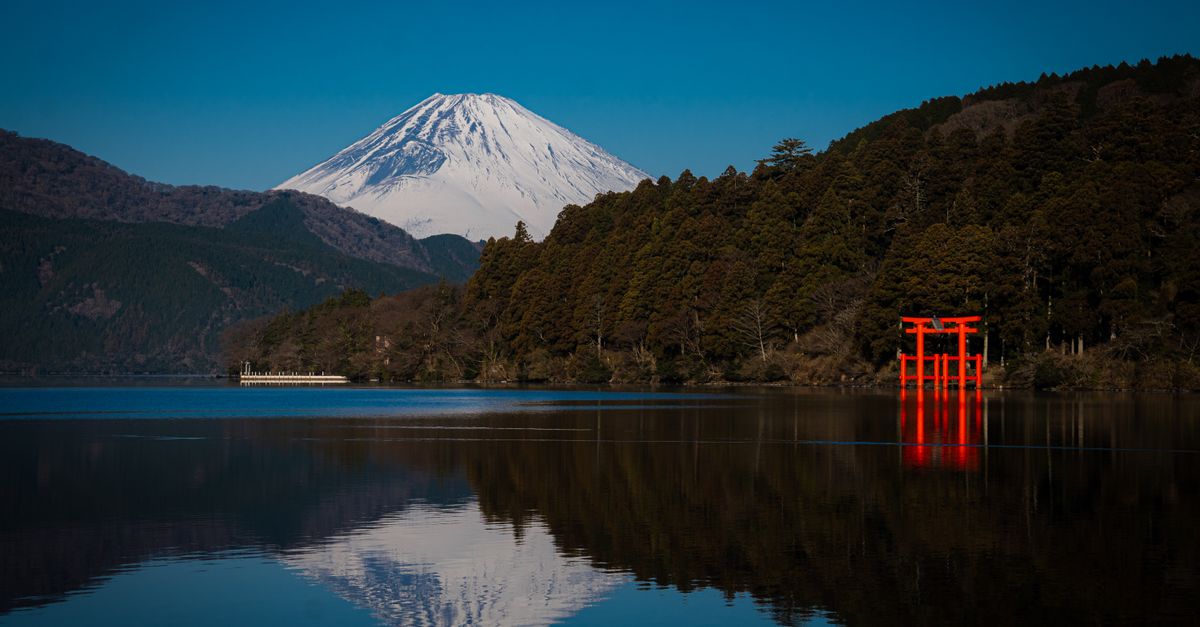
Hakone, two hours, on a ¥7,100 two-day pass covering eight modes of transport including a ropeway over sulphur vents and a boat across a lake. Worth an overnight if you can.
Nikko, two hours from Asakusa, on a ¥3,000 two-day pass. The most decorated building in Japan. A full commitment rather than a half day.
Day trips from Tokyo has all of them, the pass each needs, and the validity rule on the Hakone pass that quietly costs people a day.
The combinations that work
| Trip length | Tokyo | Then |
|---|---|---|
| 5 nights | 5 | Nothing else. Do Tokyo properly |
| 7 nights | 5 | 2 in Kyoto |
| 10 nights | 6 | 4 in Kyoto, with day trips from both |
| 14 nights | 6 | Kyoto, plus a third base |
Five and two is the standard first week and it works, with one caveat worth stating: two nights in Kyoto is really one full day, and Kyoto rewards early mornings more than anywhere else in Japan. Those two mornings are the trip. Three days in Kyoto explains why the city punishes the over-planner.
At fourteen nights, a third base finally makes sense, and the fourteen-day route uses Kanazawa and the Japanese Alps rather than adding another famous city.
Do not add days by adding cities
The commonest way people get this wrong is deciding they have ten days, so they should see four places.
Every extra base costs a packing morning, a station transfer with luggage and a check-in. On a ten-day trip, four bases is three of those, which is most of a day and all of your energy. Two bases with day trips gives you more variety for less friction, because a day trip requires no unpacking.
First time in Japan makes this argument at country level, and it is the single most useful thing on that page.
When four is enough, and when it is not
Four works if you are a repeat visitor, if you are pairing Tokyo with a lot of Kyoto, or if you get up early and accept losing Shinjuku.
Four does not work if you are landing from Europe or the Americas, because day one is jet lag and you have really got three. Add a day for the flight, or plan day one as a walk near the hotel and an early night.
Four does not work with children either. The pace assumes adult walking distances and adult tolerance for stations. Tokyo with kids rebuilds the whole thing around one attraction a day and a hard rule about rush hour.
What to skip
Three days, if you have any choice. Not because Tokyo cannot be enjoyed in three, but because the travel time between arcs eats a disproportionate share of a short trip.
A day trip on day one or day two. Jet lag plus two hours on a train is how people end up asleep on a lake cruise.
Two ticketed attractions in one day. teamLab in the morning and the Skytree in the afternoon looks efficient on paper and is a queue with a view in the middle.
Booking a fifth day and filling it. Leave it open. It is the best day of the five precisely because it is not scheduled.
Adding Osaka to a Tokyo-and-Kyoto week. It is fifteen minutes from Kyoto and it deserves better than an afternoon. Kyoto or Osaka has the case for basing in one and visiting the other.
Visa-free · 90 days, on all five passports we check.
Short tourist stays only. Checked 21 Aug 2026; rules change without notice and the government page is the source of truth.
Check your own passport →Checked 21 Aug 2026.
Everything we check for Japan →Before you book
Five days in Tokyo is this page turned into an actual route, with the booking windows for Shibuya Sky and the Ghibli Museum. Where to stay in Tokyo matters more here than the day count does, because a short flat walk to a Yamanote station is worth an hour a day. First time in Japan is the practical hub, what a Japan trip costs has the 2026 numbers, and the best time to visit Japan decides what you pay for all of it. The Tokyo city guide and the Japan country guide have the practicalities, and there is more in the first trips hub. Ready to look at rooms? Tokyo stays are here, and the things to do shelf has the bookable half.
Pass prices and fares checked September 2026. Tokyo's local fares rose on 14 March 2026 when JR East abolished the discounted metropolitan fare zones, which the company documents itself, so older day-count guides that cost their transport are understating it.