Four days in Seoul, and the card that pays for itself by lunchtime
Four days in Seoul across the palaces, the hills and the river, with the transit pass arithmetic and the entry waiver that expires this December.
Photo · 대정 김 · Pexels
Four days in Seoul is palaces, then the modern districts, then a day out of the centre, then the river. The city is vast and its interesting parts are clustered, which is why four days is enough and six is padding.
Two things to sort before you land, one of which saves you money and one of which may save your trip.
South Korean won. Convert any figure on this page into your own currency at today's published rate.
Open the currency converter →The transit card that actually pays
Most city transit passes are a bad deal dressed as a convenience. Seoul's is not, and the arithmetic is worth doing because it is unusually favourable.
A single subway journey is ₩1,550 with a transit card, and ₩1,650 if you buy a single-ride ticket from a machine, checked September 2026. That base fare went up from ₩1,400 in June 2025, so older guides understate it.
The Climate Card tourist pass:
| Duration | Price | Breaks even at |
|---|---|---|
| 1 day | ₩5,000 | about 4 journeys |
| 2 days | ₩8,000 | about 6 journeys |
| 3 days | ₩10,000 | about 7 journeys |
| 5 days | ₩15,000 | about 10 journeys |
| 7 days | ₩20,000 | about 13 journeys |
Add ₩3,000 once for the physical card itself.
Seven journeys across three days is two and a bit a day, which this itinerary beats without trying. It covers the subway and city buses, and the service area expanded in 2026 to take in Incheon and much of Gyeonggi province, which now includes the run out to the airport region.
One rule change worth knowing: as of 1 October 2026 only the short-term passes remain. The postpaid and 30-day Climate Cards have been discontinued, so a guide recommending a monthly version is describing a product that no longer exists.
The entry rule with a date on it
Korea normally requires a K-ETA from nationals of its visa-exempt countries. That requirement is currently suspended until 31 December 2026.
If you are travelling in 2026 on a visa-exempt passport, you probably need nothing. If you are booking for 2027, do not assume the waiver holds. It is a temporary measure with a published expiry that has already been extended twice.
A small trick: you may apply for a K-ETA voluntarily even while exempt, and if you do you are excused from the paper arrival card on the aircraft. The official K-ETA portal is the only place to check whether the suspension still covers your dates, and the only place to apply.
Short tourist stays only. Checked 21 Aug 2026; rules change without notice and the government page is the source of truth.
Check your own passport →Day 1: the palaces
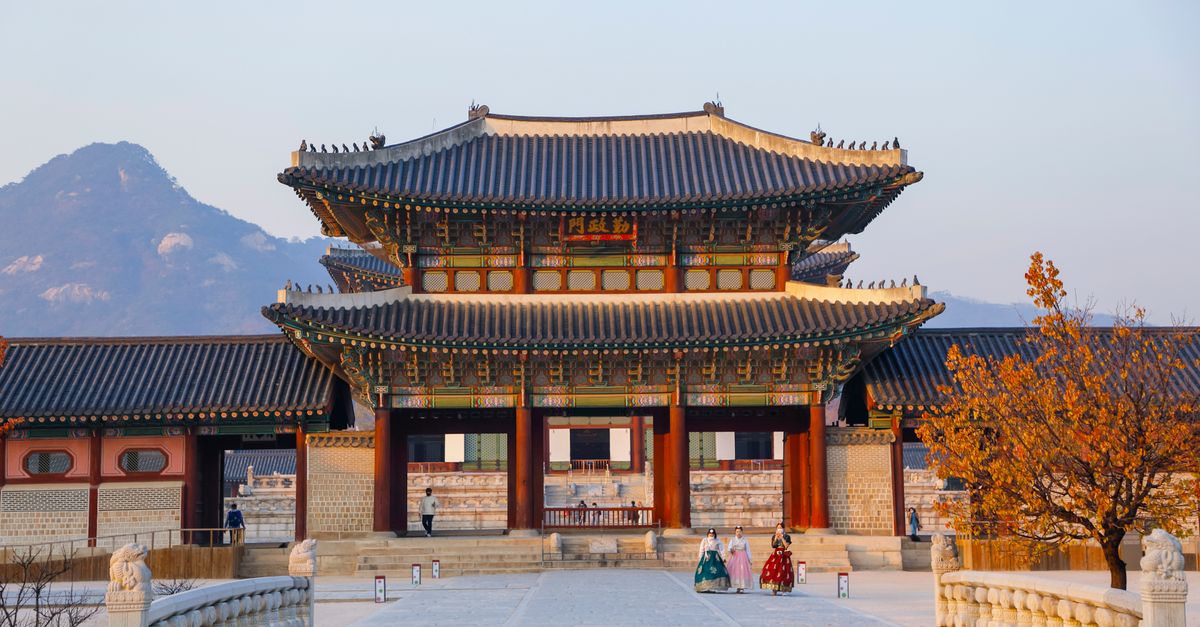
Morning: Gyeongbokgung, the main palace, at opening. The changing of the guard runs at set times at the Gwanghwamun gate. Renting hanbok makes palace entry free, which is why a large share of the courtyard is in period dress, and the rental shops cluster on the streets to the east.
Late morning: the National Folk Museum, inside the same grounds and included.
Afternoon: Changdeokgung and its Secret Garden. This is the better of the two palaces and the garden is a separate, timed, capped ticket with a limited number of English tours a day, so book it rather than turning up.
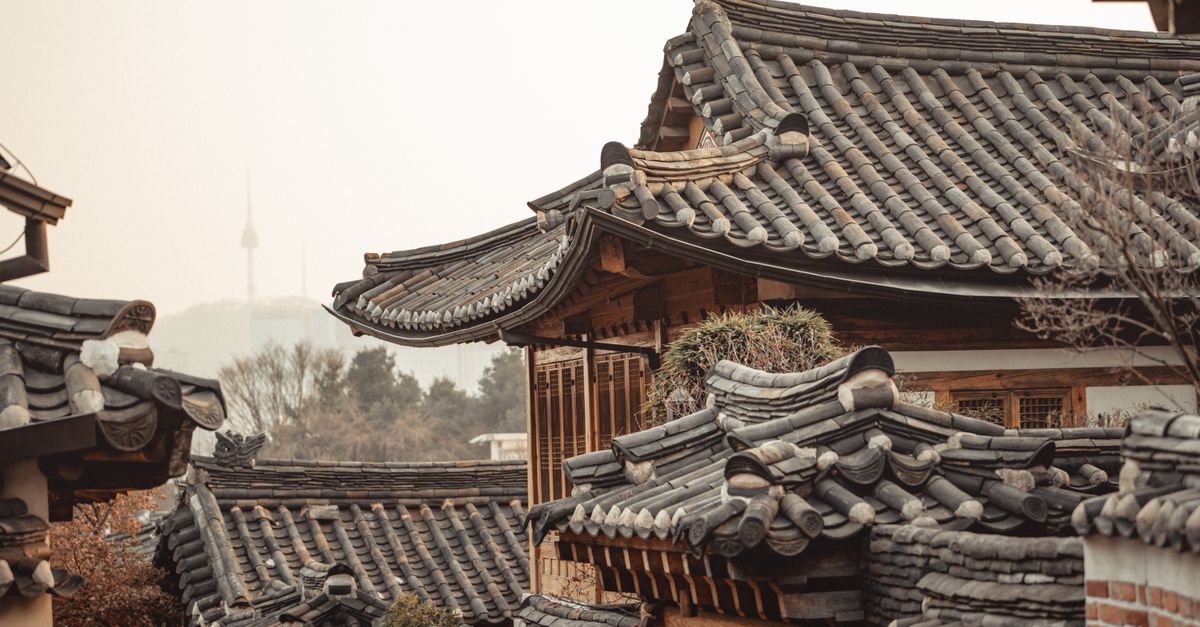
Late afternoon: Bukchon Hanok Village, between the two palaces. It is a residential neighbourhood, there are signs asking for quiet and there are enforced quiet hours, because people live there. Then Ikseon-dong, which is the same idea turned into cafes and small restaurants and is where we would eat.
Day 2: the modern city
Morning: Hongdae. The university district, best in the late morning when it is waking up rather than at midnight when it is a crush. Then the Gyeongui Line Forest Park, a disused railway turned into a linear park, walked north-east into Yeonnam-dong, which is where the food is.
Afternoon: Seongsu-dong, across the river. Seoul's old shoe-factory district, now the design and coffee quarter, and the clearest picture of what the city is doing with itself right now.
Late afternoon: Dongdaemun Design Plaza, the Zaha Hadid building, and the night market around it if your stamina holds.
Evening: Euljiro. Print shops and hardware workshops by day, and after dark the ground floors and back alleys turn into bars. It is the most interesting night out in the city and almost nothing about it is signposted.
Day 3: out of the centre
Pick one. They are both full days.
Bukhansan National Park. A granite mountain range inside the city limits, reachable by subway and a short bus, with proper hiking and a view back over twenty-five million people. Korea hikes seriously and you will be overtaken by people twice your age in full technical kit.
The DMZ. Booked tour only; you cannot go independently. It is a full day and the itinerary varies with the security situation, and access to the Joint Security Area specifically has been suspended and restored more than once. Book knowing the exact route can change.
Our call: Bukhansan if you have been to a border before, the DMZ if the division is part of why you came.
Day 4: the river, the market, and the hill
Morning: Gwangjang Market. The oldest market in Seoul and the best breakfast in it: bindaetteok, the mung bean pancakes, and mayak gimbap. Go before eleven.
Late morning: the Han River. Hire a bicycle on the riverside path at Yeouido or Ttukseom, which is what Seoul actually does at the weekend.
Afternoon: the National Museum of Korea, which is enormous and free, or the Leeum in Hannam for the art.
Evening: Namsan. Walk up through the park or take the cable car, for the city at dusk. Then Itaewon or Haebangchon below it for dinner.
Checked 21 Aug 2026.
Everything we check for South Korea →What to skip
Buying single-ride subway tickets. ₩100 more per journey, and a deposit faff. Get a card on arrival.
A 30-day Climate Card. Discontinued as of 1 October 2026.
Myeongdong as a shopping plan. It is the tourist retail strip and the same brands are calmer and cheaper in Hongdae, Seongsu or any department store basement. Go for the street food stalls in the evening and leave it at that.
Bukhansan and the DMZ on the same trip if you only have four days. Both are full days and the fourth day is the one that makes Seoul feel like a city rather than a checklist.
Assuming the K-ETA waiver covers your dates. Check the expiry.
N Seoul Tower's observation deck. The view from the base of the tower and from the Namsan park paths is free and nearly as good, and the deck queue in the evening is long.
Before you book
South Korea in 10 days is the full country route with Jeonju and Busan on the KTX, and it has the Korail Pass arithmetic. Rina also writes the Japan desk next door: Japan in 14 days, Japan in 7 days and first time in Japan cover the trip most people pair this one with, and the best time to visit Japan covers a climate Korea largely shares. Where to stay in Tokyo is the comparison for Seoul's neighbourhood sprawl.
The Seoul city guide and the South Korea country guide carry the practicalities, and there is more in the itineraries hub. When you are ready, Seoul rooms are here and the bookable half is here.
Fares, pass prices and entry rules checked September 2026. The base subway fare rose in 2025, the Climate Card range changed in October 2026 and the K-ETA suspension has a published expiry, so Seoul's own city government pages are the source to check rather than any guide, this one included.