Tokyo or Osaka
Tokyo wins on almost everything and Osaka wins the one round that decides a lot of trips. Six rounds with a winner each, and why you can have both.
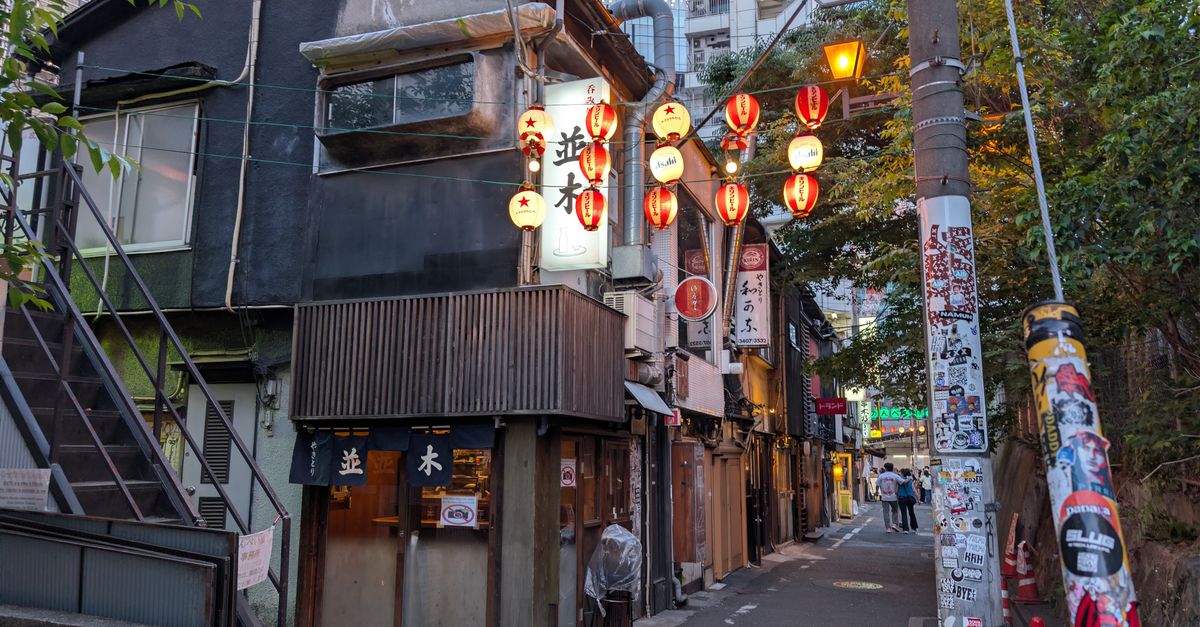
Photo · Tamjeed A · Pexels
Tokyo, if you are only doing one and it is a first trip. It is bigger, deeper, better connected and has more of everything, and the things people travel to Japan for are disproportionately in it.
Osaka wins two rounds, and one of them decides a lot of trips.
And they are two and a half hours apart, which makes the whole question softer than it looks.
Japanese yen. Convert any figure on this page into your own currency at today's published rate.
Open the currency converter →Round 1: the sights. Tokyo.
Not close. Tokyo has the Meiji shrine, Senso-ji, the imperial palace gardens, the teamLab museums, Shibuya and Shinjuku, more world-class galleries than anywhere in Asia, and neighbourhoods that are destinations in themselves.
Osaka's own sights are thin. The castle is a concrete reconstruction with a lift and a museum inside it. The aquarium is genuinely excellent. After that you are into the food and the nightlife, which is fine, because that is what Osaka is for.
Winner: Tokyo.
Round 2: food. Osaka.
This is the round Osaka wins outright, and it is the reason a lot of people prefer it.
Kuidaore, eat until you drop, is the city's own description of itself, and the everyday eating is better and cheaper than Tokyo's: takoyaki, okonomiyaki, kushikatsu, and the kappo counters that are the city's real contribution.
Tokyo has more high-end restaurants and more of every world cuisine, which is a different claim and a true one. Our Tokyo food guide makes that case.
For the food you will actually eat on a normal day, Osaka is better.
Winner: Osaka.
Round 3: cost. Osaka.
Accommodation runs roughly 20 to 30 per cent below Tokyo for an equivalent room in an equivalent area, and eating out is cheaper again.
Over a fortnight that compounds into a real number, and for a family it is the difference between two rooms and one.
Winner: Osaka.
Round 4: day trips. Osaka.
Osaka is the better base and it is not close.
Kyoto is under 30 minutes by rapid train. Nara is about 45. Himeji castle, the finest original castle in Japan, is under an hour. Kobe is 20 minutes.
From Tokyo the equivalents are further: Nikko, Kamakura and Hakone are all good and all one to two hours each way. Our Tokyo day trips guide has them.
Winner: Osaka, and this is why a lot of repeat visitors base there.
Round 5: transport. Tokyo.
Tokyo's rail network is the most comprehensive in the world, and Osaka's is merely very good.
The airport question splits it. Osaka's Kansai is closer to its city than Narita is to Tokyo's, and Haneda is closer than either. Our Tokyo areas guide has the transfer times.
Winner: Tokyo, on the network, narrowly.
Round 6: the feel. Depends, and here is the something.
This is the round that actually decides it.
Tokyo is reserved, ordered and enormous. It rewards patience and it can feel impersonal on a short visit.
Osaka is loud, direct and funny. Osakans have a national reputation for being the ones who talk to strangers, and the city's comedy tradition is a real cultural institution. People who find Tokyo cold usually love Osaka.
Winner: whichever of those two sentences describes what you want.
Choose Tokyo if
- It is your first trip to Japan and you have under a week.
- The galleries, the fashion, the architecture or the nightlife are the point.
- You want the widest possible range of everything.
- You are flying in and out of the same city and want no internal transit.
Choose Osaka if
- The food is the trip.
- You are basing yourself for Kyoto and Nara.
- The budget matters, especially for a family or a long stay.
- You have been to Tokyo and want a different Japan.
- You want a city that talks to you.
Or do both, because the transit is trivial
Two and a half hours on the Shinkansen, running every few minutes.
That is the honest answer for any trip of ten days or more. The standard shape is Tokyo, then Kyoto or Osaka, then back, and our fourteen-day route and seven-day route both do exactly that.
On the rail pass question: the pass has become materially more expensive and no longer pays for itself on a simple Tokyo to Osaka return. Price your actual legs individually before buying, which is the opposite of the advice that circulated for years, and JR publishes single fares in English so the comparison takes five minutes.
Checked 21 Aug 2026.
Everything we check for Japan →And the third option nobody mentions
Kyoto is neither of these and is what most people actually came for. Our Kyoto or Osaka comparison covers that pairing, and three days in Kyoto is the trip.
If the choice is really "where do I base for the Kansai region", the answer is usually Osaka for cost and Kyoto for atmosphere, and Tokyo is a separate decision entirely.
Visa-free · 90 days, on all five passports we check.
Short tourist stays only. Checked 21 Aug 2026; rules change without notice and the government page is the source of truth.
Check your own passport →Before you book
Where to stay in Tokyo and two days in Osaka are the two cities in detail.
Kyoto or Osaka is the other half of this question, and the Japanese calendar decides the month.
Seoul or Tokyo is the wider regional comparison.
The best of hub collects the rest and the Japan country page has the practical layer.
Rail times and fare structures checked September 2026 against JR's own timetable and fare information and Japan's national tourism organisation. Rail pass pricing has risen substantially and the break-even has moved, so price your specific itinerary rather than assuming the pass wins.