Where to stay in Seoul
Seoul is enormous and the subway line matters more than the district. Six areas, what each is actually near, and why Gangnam is usually the wrong answer.
Photo · Ethan Brooke · Pexels
Seoul is a city of ten million people spread over a lot of ground, and the subway line you are on matters more than the district name.
First visit: Myeongdong or Jongno, north of the river, walking distance to the palaces. Nightlife and value: Hongdae. Quiet and characterful: Bukchon and Seochon. Gangnam: only if Gangnam is why you came. It is the answer most guides give and it is the wrong one for a first trip.
South Korean won. Convert any figure on this page into your own currency at today's published rate.
Open the currency converter →The river, which is the whole geography
The Han river splits Seoul into two cities.
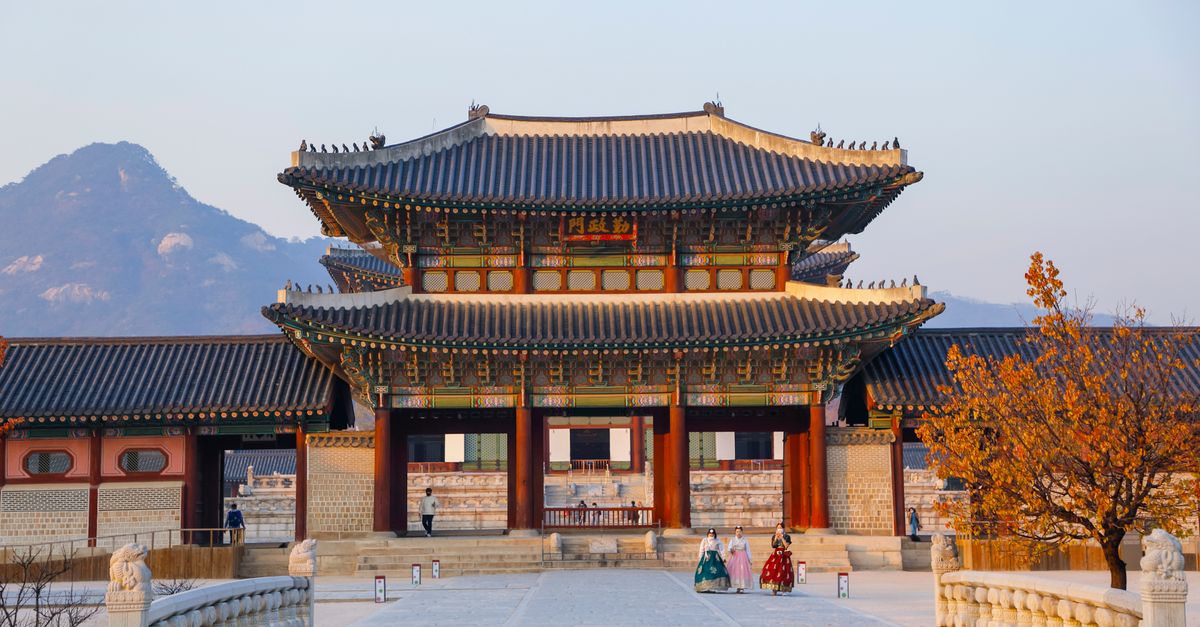
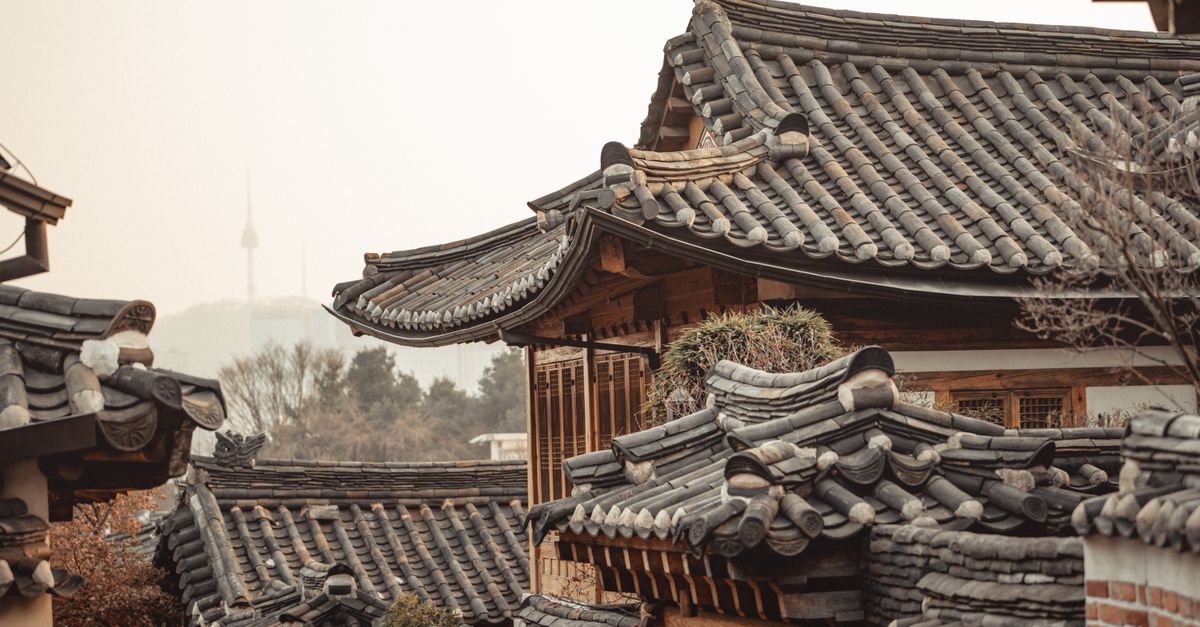
North of the river is the old one: five palaces, Bukchon's hanok lanes, Insadong, Namdaemun and Gwangjang markets, Namsan and the tower. Almost everything on a first-visit list is here.
South of the river is the newer one: Gangnam, Apgujeong, Jamsil. Shopping, plastic-surgery clinics, the COEX mall, Lotte World, corporate headquarters.
The gap is 30 to 40 minutes on the subway, which does not sound like much until you do it four times.
So: stay north unless you have a specific reason not to. That single rule resolves most of this question.
The transport card, first
Get a T-money card, about 2,500 won at any station machine or convenience store, then top it up with cash. The card and the fare system are documented here.
It works on the subway, on buses, and as a wallet in convenience stores, and transfers between subway and bus are free within a time window, which makes it substantially cheaper than single tickets and is the reason nobody buys those.
Skip the tourist attraction passes unless you have checked the arithmetic against your actual list. Seoul's palaces cost a few thousand won each and the passes are priced for someone doing four paid attractions a day.
The six areas
1. Myeongdong, for a first visit
Who it suits: first-timers, short trips, anyone who wants to be central and does not mind a crowd.
What it costs: mid-range, with an enormous choice.
Why it works: Line 4 and the airport bus, walking distance to Namdaemun market and Namsan, one stop from City Hall and Jongno.
The catch: it is a shopping and cosmetics district, so the streets are commercial and the evening street-food carts are aimed squarely at visitors. It is convenient rather than lovely.
2. Jongno and Insadong, for the old city
Who it suits: first-timers who want character with the convenience, and anyone interested in the palaces.
What it costs: similar to Myeongdong, sometimes less.
Why it works: Gyeongbokgung and Changdeokgung are a walk away, Insadong's tea houses and craft shops are here, and the Jongno backstreets have the best old-style barbecue and drinking alleys in central Seoul.
The catch: parts of Jongno are workaday and dull between the good bits.
3. Bukchon and Seochon, for the quiet version
Who it suits: couples, second visits, anyone who would rather stay in a hanok guesthouse than a hotel.
What it costs: a premium for the hanok, ordinary otherwise.
Why it works: it is the prettiest part of Seoul and it is residential, so the evenings are quiet. Seochon, west of the palace, is the less-photographed of the two and has the better cafes.
The catch: Bukchon's main lanes have residents who are genuinely tired of tour groups, and there are quiet-hours signs and marshals for a reason. Keep the noise down after dark. Hanok rooms are also small, thin-walled and often have shared bathrooms.
4. Hongdae, for nightlife and value
Who it suits: younger travellers, solo travellers, anyone whose evening starts at ten.
What it costs: among the best value in the city.
Why it works: it is a university district, so the food and drink are cheap and the streets are alive every night. And it is on the AREX airport line, which is a real convenience at both ends of a trip.
The catch: loud until very late at the weekend, and it is 25 minutes from the palaces.
5. Itaewon and Yongsan, for the food and the middle
Who it suits: anyone who wants international food, and anyone using Seoul station.
What it costs: mid-range.
Why it works: the most varied eating in Seoul, the Leeum museum, and the National Museum of Korea nearby. Yongsan puts you on the KTX for the rest of the country, which our ten-day Korea route uses.
The catch: Itaewon's nightlife strip has changed a great deal and the area is quieter than its reputation.
6. Gangnam, if it is the reason
Who it suits: shoppers, business travellers, anyone going to Lotte World or the COEX, anyone whose trip is about the modern city.
What it costs: the top of the market.
The catch: 30 to 40 minutes from everything a first visit wants, and the district is not built for walking around. It is a good place to be if you are doing Gangnam things and an expensive way to commute if you are not.
Where not to stay
Not by Incheon airport. It is an hour out. The AREX express is 43 minutes to Seoul station and the all-stop is about an hour, so an airport hotel only makes sense for a genuinely dawn flight.
Not more than a few minutes' walk from a subway entrance. Seoul is hilly in places and hot in summer and very cold in winter, and the walk from the station is the part you will feel.
And check which Line. A hotel two stops from Myeongdong on Line 4 is excellent. A hotel two stops away on a line that does not go where you are going is not.
Getting in from the airport
AREX express to Seoul station, about 43 minutes, reserved seat. AREX all-stop, about an hour, cheaper, and it goes through Hongdae, which is why Hongdae is convenient.
Airport limousine buses run direct to the main hotel districts and are the easiest option with luggage, at roughly an hour depending on traffic.
Taxis are expensive from Incheon and rarely worth it.
Checked 21 Aug 2026.
Everything we check for South Korea →Short tourist stays only. Checked 21 Aug 2026; rules change without notice and the government page is the source of truth.
Check your own passport →Before you book
Four days in Seoul is the itinerary these areas serve, and the Korean calendar makes the case for May and October, which are its two best months.
The ten-day Korea route shows where Seoul sits in a country trip, and our May guide explains why Korea is one of the best-value long-haul trips in that month.
The where to stay hub collects the rest and the South Korea country page has the practical layer.
Card prices and transfer rules checked September 2026 against Seoul's tourism organisation and the official Visit Seoul site. Attraction pass prices have moved more than once recently and the sources disagree, so price your own list rather than assuming a pass saves money.