Three days in Marrakech, and the two words that halve your taxi fare
Three days in Marrakech with the Majorelle ticket tiers, the taxe de sejour collected in cash, and the phrase that gets a petit taxi to use its meter.
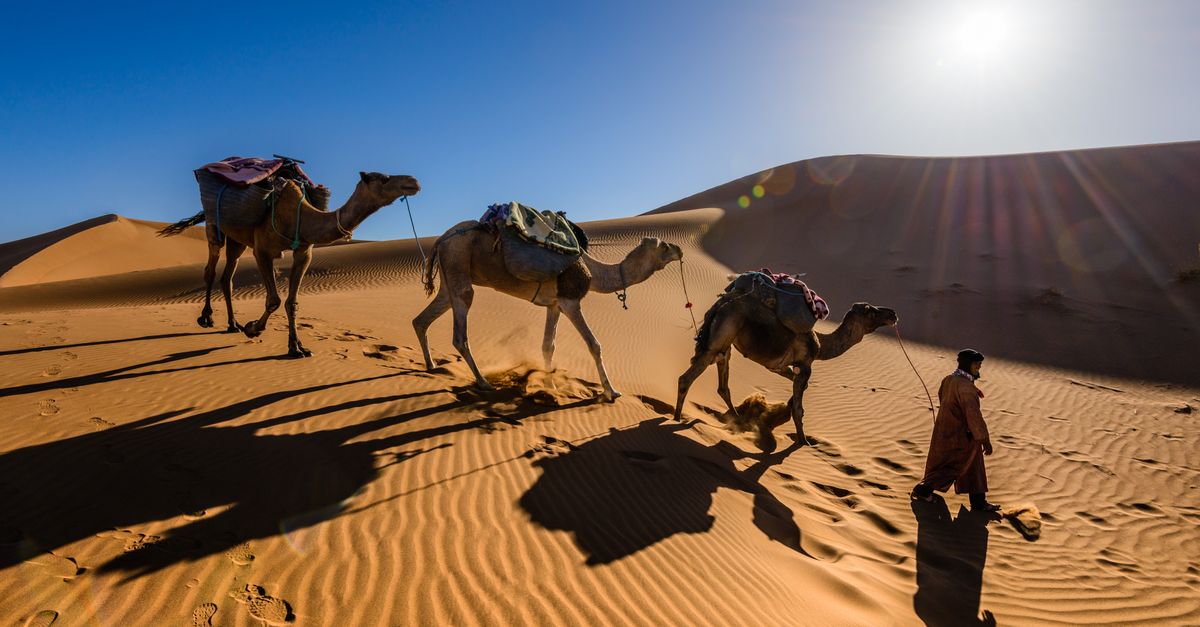
Photo · Marvin Machler · Pexels
Three days in Marrakech is two days inside the walls and one outside them. The medina is dense and intense and it does not need a third day; the Atlas foothills, an hour away, are the thing that turns a city break into a trip.
And one small piece of practical Arabic and French that will save you money all week: ask for the meter before you get in.
Moroccan dirham. Convert any figure on this page into your own currency at today's published rate.
Open the currency converter →The taxis, and the phrase
Marrakech's petit taxis are metered by law and the meter is frequently not offered to visitors.
Say "au compteur, s'il vous plaît" before you get in the car. On the meter, a run from Jemaa el-Fna to the Majorelle area is 15 to 20 minutes and roughly 20 to 30 MAD, checked September 2026. Negotiated blind, the same trip is routinely quoted at several times that.
If the driver declines the meter, agree the fare before the doors close, or wait for the next taxi. There is always a next taxi.
Or walk it. Jemaa el-Fna to the Majorelle area is about 30 minutes on foot via Bab Doukkala and Avenue Mohammed V, it is flat, and there are cafes the whole way.
The gardens, and which ticket
Jardin Majorelle sells in tiers and you choose before you arrive, because entry is timed and bought online. Indicative 2026 prices for foreign adults:
| Ticket | Price |
|---|---|
| Garden only | from 170 MAD |
| Garden + Berber Museum | about 230 MAD |
| Garden + Berber Museum + YSL Museum | about 330 MAD |
| YSL Museum only | about 140 MAD |
Tickets are sold on the garden's own site with a chosen entry time, and the resellers add a margin for a slot you can book yourself.
Our pick: garden plus the Berber Museum. The garden is small and it is very busy, and the Berber Museum inside it is the part that will stay with you. The YSL Museum is a separate building next door and is excellent if fashion is your subject and skippable if it is not.
One caveat: the garden was partially affected by the 2023 earthquake and some restoration has continued since, so parts of it can be fenced. Ask at reception rather than assuming full access.
Day 1: the medina
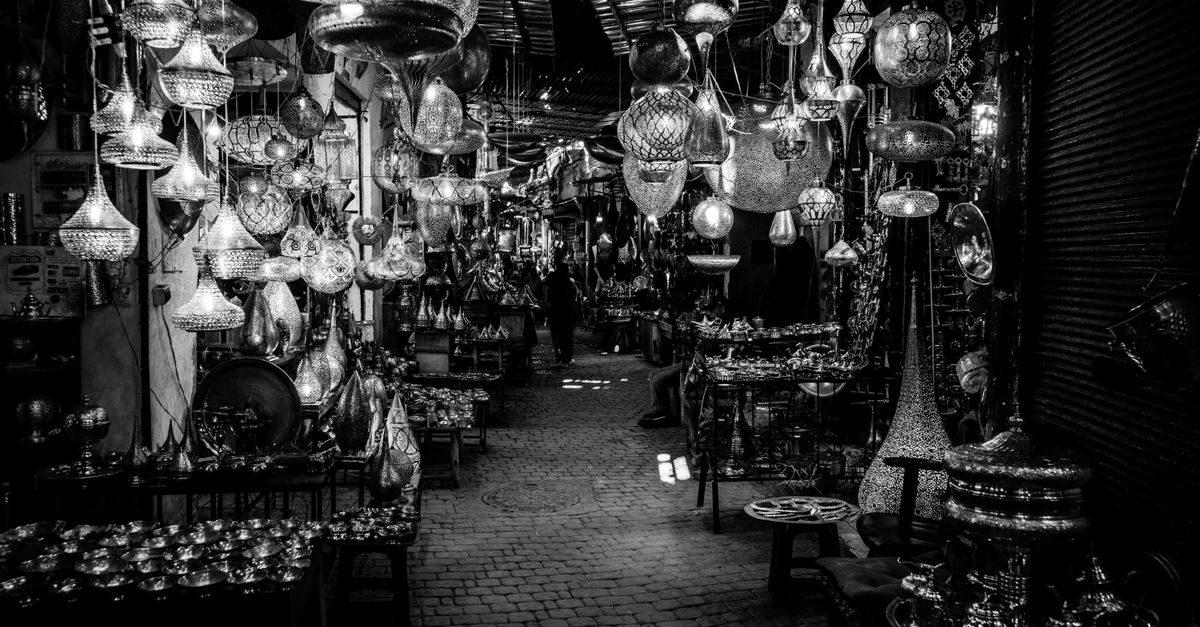
Morning: the souks north of Jemaa el-Fna. Go in without a destination. The souks are organised loosely by trade, dyers, leather, metalwork, babouches, and the only way to learn the shape of them is to be lost for two hours.
On haggling, plainly: it is expected, it is not hostile, and the opening price is a conversation rather than an insult. Decide what a thing is worth to you before you ask, and walk away cheerfully if you do not get there.
Late morning: the Ben Youssef Madrasa, a sixteenth century Quranic school around a courtyard of carved cedar and zellij tilework, and the most beautiful interior in the city.
Afternoon: the Bahia Palace and the Saadian Tombs, which sit close together in the southern medina. The Bahia is a nineteenth century vizier's palace with painted ceilings; the tombs were sealed up in the seventeenth century and only rediscovered in 1917.
Evening: Jemaa el-Fna at dusk. The square empties of day traders and fills with food stalls, musicians and storytellers. Eat at a numbered stall with Moroccan families at it. Watch for the practice of dishes arriving that you did not order and appearing on the bill; send them back at once, politely.
Day 2: the gardens, the museums and a hammam
Morning: Jardin Majorelle on the timed ticket, early, because the queue and the crowding are both worst from mid-morning.
Late morning: Le Jardin Secret back inside the medina, which is a restored riad garden on Rue Mouassine and is the quiet answer to Majorelle's crowds.
Afternoon: the Maison de la Photographie, a small museum of historic Moroccan photography with a rooftop terrace that has one of the best views over the medina, or the Musée de Marrakech in the Dar Menebhi palace.
Late afternoon: a hammam. This is the thing to do properly rather than cheaply. The public neighbourhood hammams are an authentic and fairly robust experience; the riad and spa versions are gentler and cost more. Either is better than skipping it.
Evening: a rooftop on the square, for the view down onto the smoke and the lights, then dinner somewhere with no view at all.
Day 3: out of the walls
Pick one. All three are day trips with a driver.
The Ourika Valley, about an hour into the High Atlas foothills: a river, Berber villages, a walk up to the waterfalls, and a temperature ten degrees below the city.
Imlil and Toubkal's foothills, a little further, which is the serious walking option and the base for the mountain itself.
The Agafay desert, forty minutes out, which is a stony desert rather than dunes. It photographs like the Sahara and it is not, and the honest version is that it is a very good sunset dinner rather than a desert experience. If you want dunes, that is Merzouga, and it is nine to ten hours away, which is why Morocco in 10 days builds the whole route around it.
Our call: Ourika for a first visit, Imlil if you want to walk, Agafay only if you know what it is.
The tax collected in cash
Morocco charges a municipal taxe de séjour, per person per night, banded by the category of the property, roughly 2 MAD at the bottom to about 15 MAD for luxury properties, with mid-range riads typically in the 8 to 11 MAD range.
It is almost never included in the rate you were quoted, and it is usually collected in cash at check-out. Keep small notes back for it.
Visa-free · 90 days, on all five passports we check.
Short tourist stays only. Checked 21 Aug 2026; rules change without notice and the government page is the source of truth.
Check your own passport →Checked 21 Aug 2026.
Everything we check for Morocco →What to skip
Getting into a taxi without agreeing the meter or the fare. The first section.
A "guide" who attaches himself to you in the souk. Agree scope and price first, or arrange one through your riad.
Anyone telling you the square is closed today, or that the tanneries are only open this morning. Both are long-running openings to a shop.
The Agafay desert as a substitute for the Sahara. It is a good evening and it is not dunes.
A hire car. The medina is impassable to cars, parking outside it is a problem, and a driver for a day trip costs less than you would expect.
Photographing the water sellers, snake charmers or monkey handlers in Jemaa el-Fna without agreeing a price. They will ask afterwards, firmly, and the animals are a welfare question you may not want to fund.
Before you book
Morocco in 10 days is the full route, including the Sahara drive that decides its shape and the ONCF fares that reward booking early. The best time to visit Morocco has the month table and the Ramadan dates. Spain in 10 days is what lies across the strait from Tangier, and three days in Istanbul and Turkey in 10 days are Yasmine's other routes.
The Marrakech city guide and the Morocco country guide carry the practicalities, and there is more in the itineraries hub. When you are ready, Marrakech rooms are here and the bookable half is here.
Fares, ticket tiers and tax bands checked September 2026. Majorelle's pricing and access have both moved since the 2023 earthquake, so Morocco's national tourism office and the garden's own booking page are better sources for your dates than any guide, this one included. Here is how we research and re-check guides.