Spain in 10 days, on three competing railways
Barcelona, Madrid, Seville and Granada in 10 days. Three operators race the same tracks from about €9, and the nightly tax varies by region.
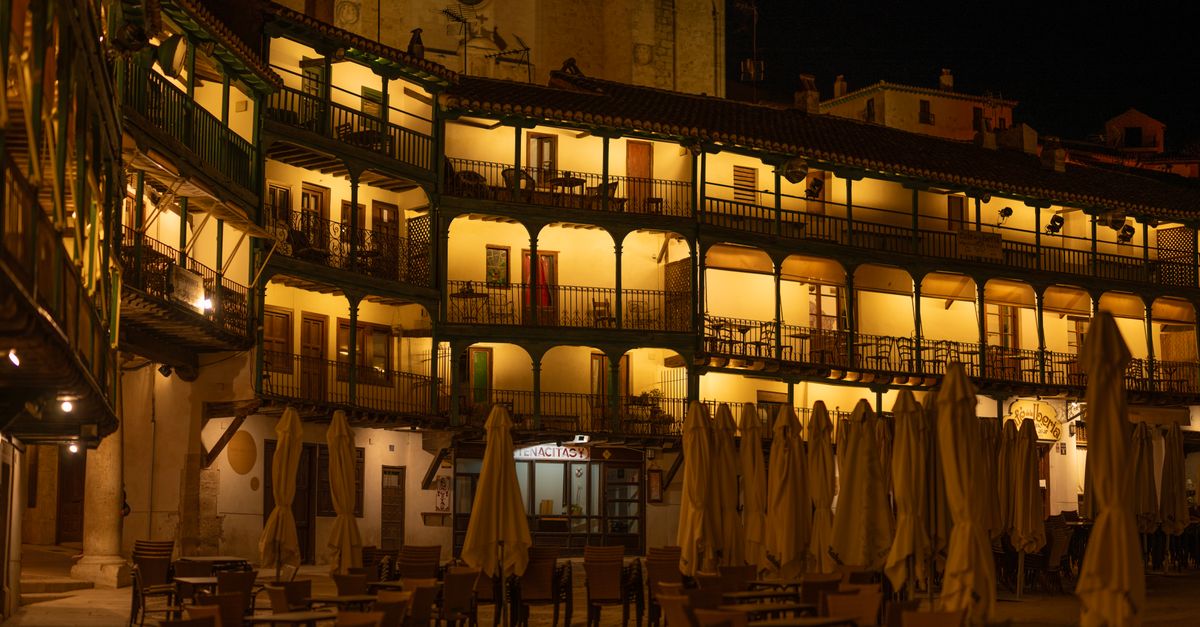
Photo · Antonio Garcia Prats · Pexels
Spain has a rare advantage among European trips: three separate companies run high-speed trains on the same tracks, and fares start around €9. That competition is the reason a four-city, ten-day route is comfortable rather than frantic.
Barcelona three nights, Madrid two, Seville three, Granada two. All by rail, all city centre to city centre, no car.
The other thing to price before you book is the accommodation tax, which in Spain is a regional power and therefore wildly inconsistent.
Euro. Convert any figure on this page into your own currency at today's published rate.
Open the currency converter →The railway, and the lever most itineraries never mention
Spain opened its high-speed lines to competition in 2021. Madrid to Barcelona, 621 kilometres, now has three operators:
| Operator | What it is |
|---|---|
| Renfe AVE / Avlo | The incumbent, and its own low-cost brand. Most departures, 20 or more a day |
| Ouigo | The low-cost subsidiary of French Railways. Two classes, basic catering |
| Iryo | A Trenitalia joint venture running Italian Frecciarossa trains. Three classes, full service |
Fares run from about €9 to €17 depending on operator and lead time, for a journey of about two and a half hours, checked September 2026.
Check all three for the same departure. They are not aggregated by default and the price gap between them on the same hour can be larger than the gap between booking a month ahead and a week ahead. Ouigo and Iryo also run Madrid to Valencia, Seville and Málaga, so the lever exists on most of this route rather than just the headline leg.
The tax that changes when you cross a regional border
This catches people out because it is invisible until check-out and because it is not national.
Catalonia raised its tourist tax from 1 April 2026 and Barcelona took the largest increase. A five-star now carries a combined regional and municipal charge of about €12 per person per night, up from €7.50 in 2025, with a four-star at about €8.40 and short-term rentals at €9.50.
Andalusia charges nothing. No regional accommodation tax, and Seville has been refused permission to add a municipal one.
Madrid has no city accommodation tax either.
Do the sum for this exact itinerary. Two adults, four-star throughout:
| Nights | Per person, per night | Two adults | |
|---|---|---|---|
| Barcelona | 3 | €8.40 | €50.40 |
| Madrid | 2 | €0.00 | €0.00 |
| Seville | 3 | €0.00 | €0.00 |
| Granada | 2 | €0.00 | €0.00 |
Fifty euros, all of it in the first three nights. It is not a reason to skip Barcelona. It is a reason to know it is coming, and a reason the Andalusian half of this trip is better value than the room rates alone suggest. Where to stay in Seville has the whole argument.
Days 1 to 3: Barcelona
Day 1: the Gothic Quarter and El Born on foot, and dinner late. Do not book anything on arrival day.
Day 2: Sagrada Família at opening, booked well ahead because it now sells out weeks out in high season, then Park Güell, which is also timed and capped. Afternoon in Gràcia, which is where the city is when it is not performing.
Day 3: Montjuïc for the Miró Foundation and the view, or the Sant Antoni and Poble-sec markets and tapas streets. Where to stay in Barcelona has the neighbourhoods, and the short version is to stay out of the Gothic Quarter's tourist core and one metro stop away.
Days 4 and 5: Madrid
Two and a half hours by train.
Day 4: the Prado, which is free in the last two hours of the day and correspondingly busy then, so pay and go in the morning instead. Then Retiro park, then La Latina for the evening.
Day 5: the Reina Sofía for Guernica, and Malasaña or Chueca in the afternoon. Madrid is the least sight-driven of the four cities on this route and the most rewarding to simply be in, which is why two nights is enough and three would not be wasted.
Days 6 to 8: Seville
Two and a half hours from Madrid on the AVE.
Day 6: arrive, walk Santa Cruz in the late afternoon when the coaches have gone, cross to Triana for dinner.
Day 7: the Real Alcázar first thing. Book it before you leave home: standard entry is €15.50 plus a €1 online booking fee, entry runs in 30 minute slots, and tickets are released only about two months ahead, so there is a specific week when your date opens. Buy on the official site. Then the cathedral and the Giralda.
Day 8: Córdoba as a day trip, which is 45 minutes each way by AVE and puts the Mezquita, which is the single most extraordinary building in Spain, inside a morning.
Days 9 and 10: Granada
Two and a half to three hours from Seville.
The Alhambra is the whole reason and it must be booked first. It runs a daily cap and timed entry to the Nasrid Palaces specifically, and it sells out further ahead than anything else in Spain. Book the Alhambra before you book the flights. People plan a Granada stop and then discover there are no tickets.
Day 10 is the Albaicín in the morning, the view from Mirador de San Nicolás, and out through Málaga or back to Madrid.
What this route deliberately leaves out
The north. San Sebastián, Bilbao and the Basque coast are excellent and they are on the wrong side of the country. Adding them turns a comfortable ten days into two travel days plus eight short ones. They are their own trip.
Valencia. It is directly on the Madrid line and it is genuinely good, and adding it means dropping Granada or Córdoba. If beaches and paella matter more than Moorish architecture, make that swap deliberately rather than adding a fifth city.
Short tourist stays only. Checked 21 Aug 2026; rules change without notice and the government page is the source of truth.
Check your own passport →Checked 21 Aug 2026.
Everything we check for Spain →What to skip
A hire car. Every city here is on the high-speed network and every city centre restricts traffic.
Booking Sagrada Família or the Alhambra on arrival. Both sell out. The Alhambra sells out furthest ahead.
Toledo as an overnight. It is spectacular and it is 33 minutes from Madrid. Go for the day.
Flamenco with dinner included, sold from a board in a tourist street. The serious rooms in Seville and Granada are small and cost about the same.
July and August in Andalusia. Seville regularly passes 40 degrees and the city record is 47.4°C. The trip above is a spring or autumn trip.
Assuming one tourist tax. The whole middle of this page.
Before you book
Where to stay in Barcelona, where to stay in Madrid and where to stay in Seville are the area breakdowns for three of the four stops. Spain's digital nomad visa is the one to read if ten days is becoming a year, and Portugal in 10 days is the natural companion route. Morocco in 10 days is what lies across the strait, and underrated European cities makes the case for the Spanish cities this route skips.
The Barcelona city guide, the Seville city guide and the Spain country guide carry the practicalities, and there is more in the itineraries hub. When you are ready, Barcelona rooms are here and the bookable half is here.
Fares, tax rates and ticket prices checked September 2026. Spanish accommodation taxes are set regionally and Catalonia's changed again in April 2026, so Spain's national tourism board and the individual regional pages are better sources for the current figure than any guide, including this one. Here is how we research and re-check guides.