Portugal in 10 days, and why to skip the Algarve
Two cities and a river valley beat three bases and a beach. The Portugal route worth ten days, what the trains cost, and the toll trap in every hire car.
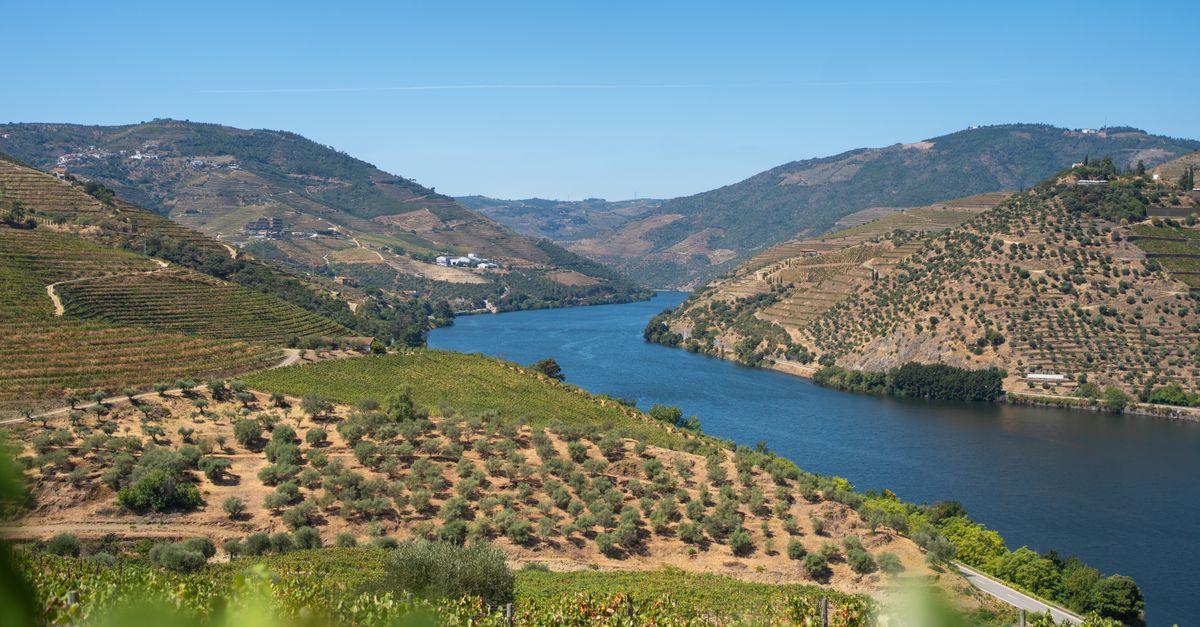
Photo · Finn Ruijter · Pexels
Ten days in Portugal is two regions done properly. The route that works is Lisbon for four nights, Porto for four, the Douro valley in between or as a day out, and Sintra as a day trip — about nine hours of travel in total, no car, and no morning spent packing a suitcase you unpacked yesterday.
The route most guides sell you adds the Algarve. For a first ten-day trip, and particularly for an Australian one, that is the wrong call, and the reasons are worth the paragraph they take.
The four routes, ranked
1. Lisbon + Porto + Douro — take this one. Four nights in each city with a Sintra day and a Douro day. Two genuinely different Portugals: the imperial capital and a northern working river city. Around nine hours of intercity travel across ten days, all of it on trains, none of it needing a car.
2. Add Coimbra, if you want a third stop. Same shape, but spend your flexible night in Coimbra between the two cities. The Joanina Library is world-class and the town is a genuine university city. It costs you one extra check-in, which is the honest price.
3. Lisbon and the south only. Five or six nights in Lisbon, two in Évora, two around Setúbal or Comporta. Roughly four hours of transit, no packing days, and the best option between November and March when the north is wet and dark. You skip Porto, which many people think is the better city.
4. Lisbon + Algarve + Porto — the one the search results push. See below.
Why the Algarve does not belong in ten days
The problem is not the Algarve. The problem is where it sits.
Faro to Porto has no fast direct train. You are looking at six or seven hours by rail via Lisbon, or a domestic flight on a thin and largely seasonal schedule plus two airport transfers, which eats most of a day. Add the Lisbon to Faro leg and the three-base version costs ten to thirteen hours of transit to buy roughly two usable beach days.
And then the part nobody says to an Australian audience: you have not flown twenty hours to Europe for a beach. The one at home is better. What the Algarve genuinely has that Australia does not is the geology — the collapsed sea caves at Benagil, the stacks at Ponta da Piedade, the cliffs at Sagres. If that is the specific draw, build the whole trip around the south instead of bolting three nights onto the end of a northern one.
Worth knowing if you are tempted off-season: the Algarve in winter is 12–16°C with real rain, and Lagos, Faro, Tavira and Albufeira stay properly alive because people live there. It is a genuinely good walking destination in January and a bad swimming one.
The route, day by day
Days 1–4, Lisbon. Alfama and the Baixa grid on foot, Belém for a morning, and one day given entirely to Sintra. Our Lisbon where-to-stay guide covers which neighbourhood suits which trip — the short version is Baixa if you have a suitcase, because everything else is uphill from it.
Day 5, move north. The Alfa Pendular reaches Porto in 2h50 for €35.70, or the Intercidades takes 3h15 for €28.05. There are 15 to 19 departures a day and all of them arrive at Campanhã, five minutes short of São Bento. Book ahead if you can: promotional fares open 60 days out and start around €16, which is the single biggest saving available on this trip. They are non-refundable and they do sell out.
Fares went up in December 2025, so if you read somewhere that this train costs twenty euros, that page has not been updated.
Days 6–9, Porto and the Douro. Porto itself wants two full days, and the Porto where-to-stay guide explains why you want to sleep at the top of the hill rather than the bottom of it. Give one day to the valley.
Day 10, home. Fly out of Porto if you can — an open-jaw into Lisbon and out of Porto saves you the return leg entirely.
Sintra, and the mistake everyone makes there
Sintra is the best day trip in Portugal and the most commonly botched.
A Sintra day fits two monuments. Not four. Pena Palace alone is two hours once you have queued, walked up and been through the state rooms. Adding Cabo da Roca and Cascais to the same day, which half the internet suggests, is how people end up seeing a car park.
The 2026 ticket prices are not what most guides say. The Parques de Sintra schedule now runs:
| Ticket | Price | In AUD |
|---|---|---|
| Pena, Essential Visit (park + state rooms) | €20 | A$32.40 |
| Pena, park only | €12 | A$19.44 |
| Moorish Castle | €12 | A$19.44 |
| Sintra National Palace | €13 | A$21.06 |
| Monserrate | €12 | A$19.44 |
The Essential Visit is the one almost everyone wants. Guides still quoting €14 are working from the old structure.
Should you sleep in Sintra instead? Only if you are travelling in high summer or you are there for photographs. It puts you at the gates before the Lisbon trains arrive and gives you the town at dusk, but Sintra rooms run €120–400 and you are paying for a Lisbon night you are not using.
The Douro, which is the best train ride in the country
From Porto São Bento, the regional train reaches Peso da Régua in about two hours for €11.10, or Pinhão in about 2h20 for €12.45. No reservation, no booking, buy it on the day. There are direct departures at 09:25 and 13:25 — take the earlier one for the light.
Two things nobody tells you. Sit on the right heading east and the left coming back. And the line does not meet the river until Livração, roughly the last hour, so the first hour is ordinary countryside and people assume they have been sold a dud.
The alternatives: a small-group tour is the pragmatic default if the wine is the point, because port tastings and driving do not mix. A car gets you to hillside quintas the train cannot reach and the N222 between Régua and Pinhão is a genuinely spectacular drive. And if you would rather slow down than day trip, two nights in Pinhão is the version people who have done both prefer.
The toll trap in every Portuguese hire car
This is the section no competing guide has, and it costs people real money.
Since January 2023 an electronic toll device has been compulsory in every hire car in Portugal. It is not an optional extra you can decline. You pay a service fee of €2.21 a day, capped at €22.14 per rental, plus the tolls themselves, billed to your card after you hand the car back — the hire companies set this out in their terms.
The genuine trap is a set of motorways with no toll booths at all: the A22 along the Algarve, the A28 north of Porto and the A25 towards Spain. There is nothing to stop at and no signal you have incurred anything. Unpaid passages surface months later as fines, usually via the hire company with an admin fee attached. If you drive the Algarve or the coast north of Porto, you are on these roads whether you notice or not.
Driving a car you hired in Spain instead? You need to register the plate at a border Welcome Point before midnight on the day you first pass a gantry.
Where a car actively hurts
Lisbon. Street parking is €1.20–2.00 an hour and central garages run €15–25 a day. The low-emission zone will not stop a modern hire car, but the gradients, the width of the streets and the tram tracks will.
Porto. Restricted-access zones cover Ribeira, Flores and Cedofeita, and tourist vehicles have needed prior authorisation since October 2024. Ask your hotel before you book a car, not after.
Sintra. The palace road is a single-lane one-way loop with almost no parking. Driving here is the classic error.
What ten days costs
Per person, sharing a double, excluding international flights. Converted at €1 = A$1.62, checked September 2026.
| EUR | In AUD | |
|---|---|---|
| 9 nights' accommodation | €585–900 | A$948–1,458 |
| Food and drink | €300–450 | A$486–729 |
| Trains | €70–100 | A$113–162 |
| Entries and one tour | €120–200 | A$194–324 |
| Total, no car | €1,075–1,650 | A$1,742–2,673 |
Add roughly €140–200 for three days of car hire if you take one, plus the toll service fee. A comfortable planning number is €1,100–1,700 a head, or about A$1,780–2,750, before you have flown anywhere.
Lunch is where Portugal is generous: the menu do dia runs €12–18 for a starter, a main and a drink, and it is what everyone around you is eating.
When to go
Mid-April to mid-May and mid-September to mid-October are the two good windows, and the second is arguably better — the sea is still swimmable, the Douro harvest runs from late September and the quintas open up for it, and rates are falling.
Avoid late July and August, when the Alentejo and the Douro sit above 35°C and mid-range rooms hit €200–320 a night, and December to January, which is fine for a Lisbon city break and poor for anything involving a view.
One date to plan around in 2027: Easter falls on 28 March, and Holy Week is the week before it. Domestic travel peaks and Sintra slots disappear.
Two dates worth catching on purpose: Santo António in Lisbon on 12–13 June, and São João in Porto on 23–24 June. Both are extraordinary and both need booking months ahead. Our when-to-go guides go deeper on the month-by-month picture.
The two mistakes
Hiring a car for all ten days. Every road-trip itinerary insists you need one. For this route you do not, and it is expensive to be wrong about — roughly €47 a day for the car, €2.21 a day in toll fees, and €15–25 a day to park it while you spend four days on foot. A ten-day hire that sits idle for six of them costs about €400 more than three days of hire plus train tickets. And the Alfa Pendular is faster city centre to city centre than driving anyway.
Treating Sintra as a checklist. Two monuments is the ceiling. Pena and the Moorish Castle sit next to each other; Pena and Quinta da Regaleira pair well because the second is in town. Anything more and you are queuing, not looking.
Before you book
The Portugal country guide covers the practicalities, Lisbon and Porto have their own city guides for what is actually in each neighbourhood, and both cities have a where to stay guide of their own. If you are pairing Portugal with somewhere else in southern Europe, our other itineraries cover the routes that need longer. Ready to compare rooms? Lisbon stays are here and Porto's are here.
Fares, tickets and tolls checked September 2026. Portuguese rail fares rose in December 2025 and the Douro line has works running to 2027, so this is a page worth re-checking before you book — here is how we research and re-check guides.