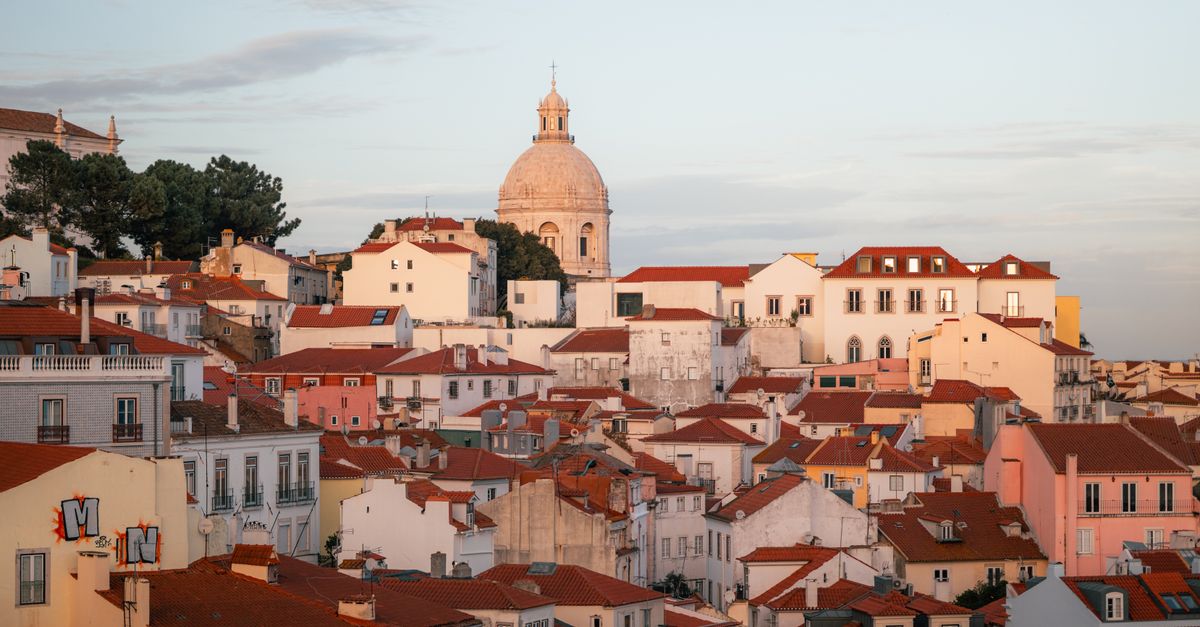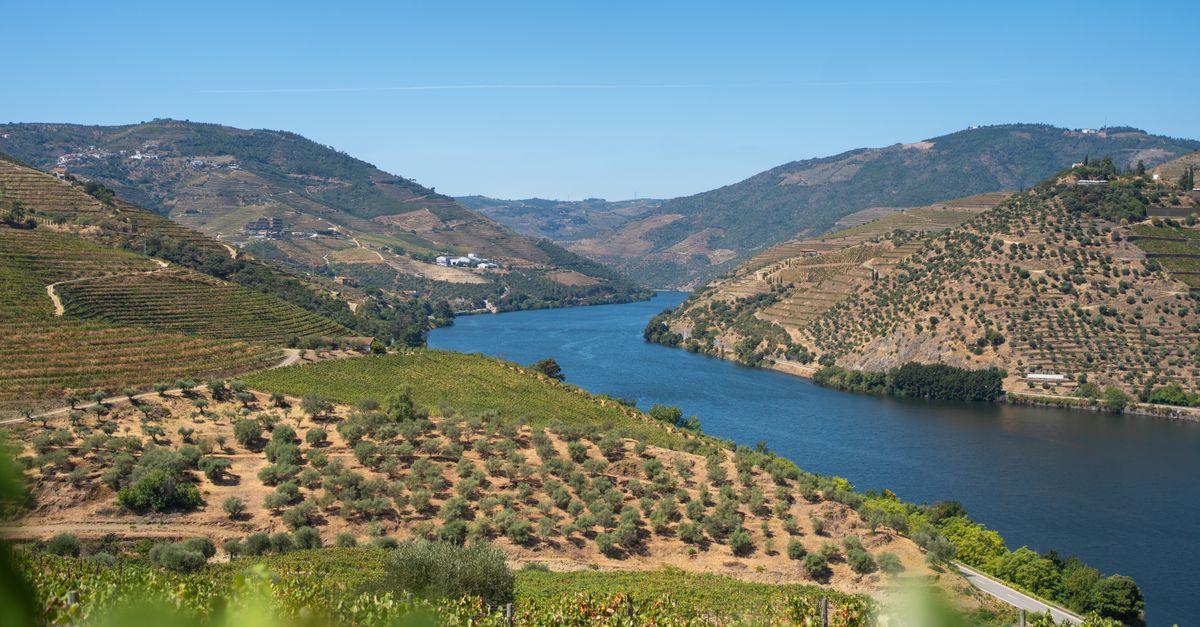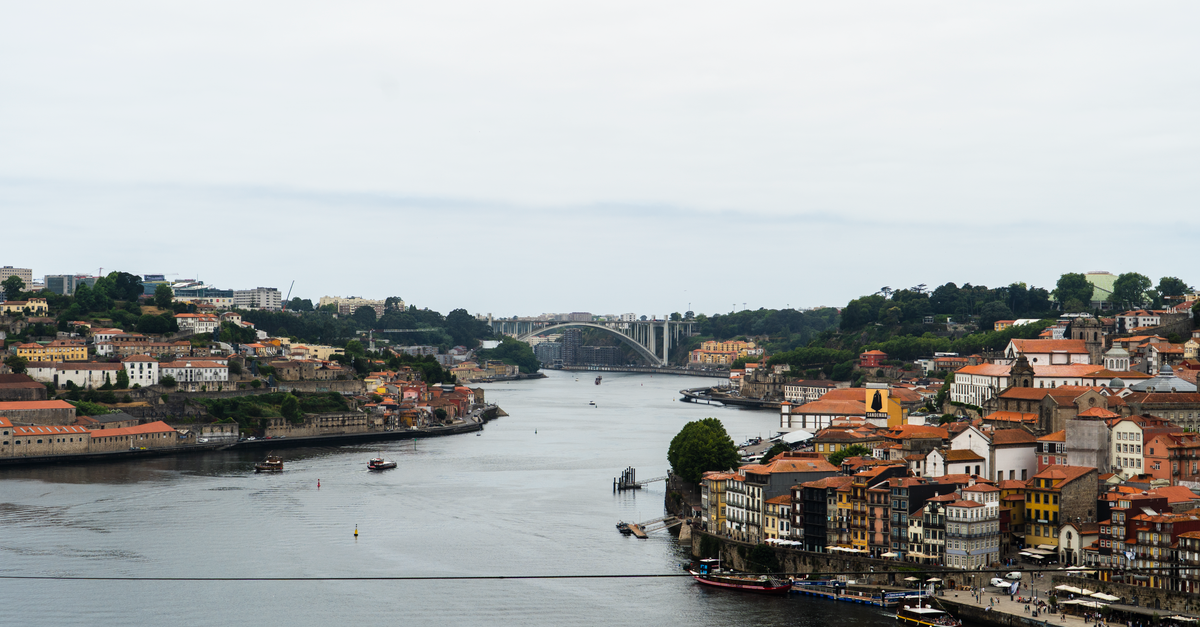
Lisbon or Porto, and the question is how many days you have
Porto if you have three days, Lisbon if you have five. Six rounds with a winner each, the tax gap, and the hill problem that has reversed since 2025.
Photo · Mick Declercq · Pexels
The honest answer to this one depends on a single number: how many days you have.
Three days: Porto. It is compact, walkable, cheaper on almost every line, and three days covers it properly rather than partially.
Five or more: Lisbon. It needs four days on its own and it sits inside a day trip network that Porto simply does not have.
Everything below is the working.
Euro. Convert any figure on this page into your own currency at today's published rate.
Open the currency converter →Round one: what it costs
Porto's tourist tax is €3 per person per night for guests aged 13 and over, capped at seven nights. Lisbon's is €4 per person per night, capped at seven nights, with under-13s exempt. Both are collected at the property rather than included in the rate you were quoted, and both are a surprise at checkout for people who did not read this.
On rooms, checked September 2026: Porto's Baixa and Aliados run about €85 to €130 a night for a mid-range double, with Cedofeita at €70 to €110 and the Gaia riverfront at €110 to €160, which is more than people expect.
Lisbon's swing is the bigger story: roughly €80 to €120 in January and February and €200 to €320 in July and August, for a comparable room.
Winner: Porto, and the gap widens enormously in summer.
Round two: the hills, which have reversed
Both cities are built on hills and both have historically solved it with Victorian machinery. One of them currently cannot.
Lisbon's Glória and Bica funiculars have not carried passengers since 3 September 2025, when a derailment on the Glória killed sixteen people. Carris put redesign proposals forward on 31 August 2026 and no reopening date has been set. The climbs to Bairro Alto are now a walk or a taxi.
Porto's Guindais funicular still runs, connecting the riverside to the upper city, and the Gaia cable car still crosses to the other bank at €7 single or €10 return booked online, closing at 20:00. On the Guindais fare, we found three different figures between €2.50 and €4 across sources including the operator's own pages, and we are not going to pick one for you: it is a couple of euro and worth confirming at the machine.
Winner: Porto, for now, which is a reversal of the usual assumption and is entirely a 2026 fact.
Round three: getting in from the airport
Lisbon: the metro red line starts inside the terminal. €1.90 plus €0.50 for the reusable Navegante card, running 06:30 to 01:00. Saldanha in five to ten minutes direct; Baixa-Chiado in 20 to 25 with a change at Alameda.
Porto: metro line E, the violet one, also from inside the terminal. Trindade in 27 minutes, Campanhã in 36, for a €2.30 zone 4 ticket plus €0.60 for the Andante card, every 20 minutes at peak.
Both are excellent and both are the best value transfer in their city. Lisbon is marginally faster and cheaper into the centre.
Winner: Lisbon, narrowly.
Round four: food and wine
Porto wins the wine outright. The port lodges are across the river in Gaia, the Douro valley is the oldest demarcated wine region in the world, and the francesinha is a genuinely absurd sandwich that everybody should eat once.
Lisbon wins the breadth. More restaurants, more range, the Time Out Market for a first night, and a bigger fine-dining scene.
The tiebreaker is what you came for. If wine is the point, Porto is not close. If you want to eat something different every night for a week, Lisbon.
Winner: Porto on wine, Lisbon on breadth.
Round five: day trips
This is where Lisbon pulls decisively ahead.
From Lisbon: Sintra, Cascais, Óbidos, Évora, Setúbal and Mafra, five of them by train and none more than about ninety minutes away. Day trips from Lisbon ranks them and prices the Sintra day properly, which comes to about €58.40 a head once the bus and both monuments are counted.
From Porto: the Douro valley, which is one of the great wine landscapes on earth and genuinely worth a day, plus Guimarães and Braga, and Coimbra on the way south.
One exceptional trip against five good ones.
Winner: Lisbon.
Round six: how long the city holds you
Porto is a three-day city. That is not a criticism: three days in Porto is a complete, satisfying trip, and the fourth day is when you start repeating yourself unless you go to the Douro.
Lisbon is a four-day city that becomes a week once the day trips are in. Three days in Lisbon covers the city itself and explicitly leaves Sintra out, because adding it makes a three-day trip a two-day one.
Winner: Lisbon, if you have the days. Porto, if you do not.
Choose Porto if
- You have three days or fewer.
- The budget is doing real work. The tax, the rooms and the restaurants are all
cheaper.
- Wine is the reason. The lodges and the Douro have no Lisbon equivalent.
- You want to walk everywhere. Porto's centre is smaller and the whole thing is
on foot.
- It is July or August, when Lisbon's room rates roughly double and Porto's
do not move nearly as much.
Choose Lisbon if
- You have four days or more.
- It is your first trip to Portugal. Lisbon is the fuller introduction and
the better base.
- You want day trips, beaches, or both. The Cascais line puts you on the
Atlantic in forty minutes.
- You want a big city. Lisbon is roughly three times the size and feels it, in
both the good and the tiring senses.
- You are flying long-haul, because Lisbon's connections are considerably better.
Do both, which is the real answer
They are under three hours apart on the Alfa Pendular, at €35.70 for a tourist-class single in 2026 after the fare rise the previous December. The slower Intercidades costs less and takes longer. CP publishes the timetable and sells the tickets, and booking a few days ahead is worth real money.
The split we would book on a week: five nights Lisbon, three nights Porto, going north, with Coimbra as a half-day stop on the train between them. Reverse it if the Douro is the centrepiece, because you want to be fresh for the valley rather than finishing on it.
Ten days in Portugal runs the full route and adds the coast.
What to skip
Basing in Gaia to save money. It is not cheaper than Porto's Baixa, it runs €110 to €160 a night, and every outing means crossing the Luís I bridge. Choose it if the lodges and the view back at Porto are genuinely the point.
Alfama with a wheeled suitcase. No metro, stepped lanes rather than sloped ones, and many front doors no vehicle can reach. It was easier when the funiculars ran.
A day trip to Porto from Lisbon or the reverse. Nearly six hours on trains for a few hours in a city that deserves two nights.
Tram 28 at midday. Board at Martim Moniz before nine or after seven, or take tram 12 instead, which covers the same castle-side streets with no queue.
Choosing between them at all if you have a week. The train is the answer.
Short tourist stays only. Checked 21 Aug 2026; rules change without notice and the government page is the source of truth.
Check your own passport →Checked 21 Aug 2026.
Everything we check for Portugal →Before you book
Where to stay in Lisbon and where to stay in Porto have the neighbourhoods, the tax tables and the honest read on which areas are harder than they look. Three days in Lisbon is the route, day trips from Lisbon covers the fourth day, and ten days in Portugal joins the two cities up. The Lisbon city guide, the Porto city guide and the Portugal country guide have the practicalities, and when to go matters most for the summer price gap. Ready to compare? Lisbon stays here and Porto stays here.
Taxes, fares and room bands checked September 2026. The Lisbon funiculars remain out of service, Portuguese rail fares rose in December 2025, and the Guindais funicular fare is published at three different figures by three sources, which is flagged above rather than resolved. Here is how we research and re-check guides.